PĀNUI
NEWS
HWT @ TE MATATINI WAITAHA REGIONALS 2026.
23 / 05 / 2026
Te Matatini Waitaha Regionals 2026 was a day that reminded us why kapa haka is so much more than competition.

Nineteen rōpū took to the stage across the largest regional competition in the country, spanning from Kaikōura to Bluff, with five spots to Te Matatini 2027 up for grabs. But for Te Whānau Whānui o He Waka Tapu, the day was about something else entirely.
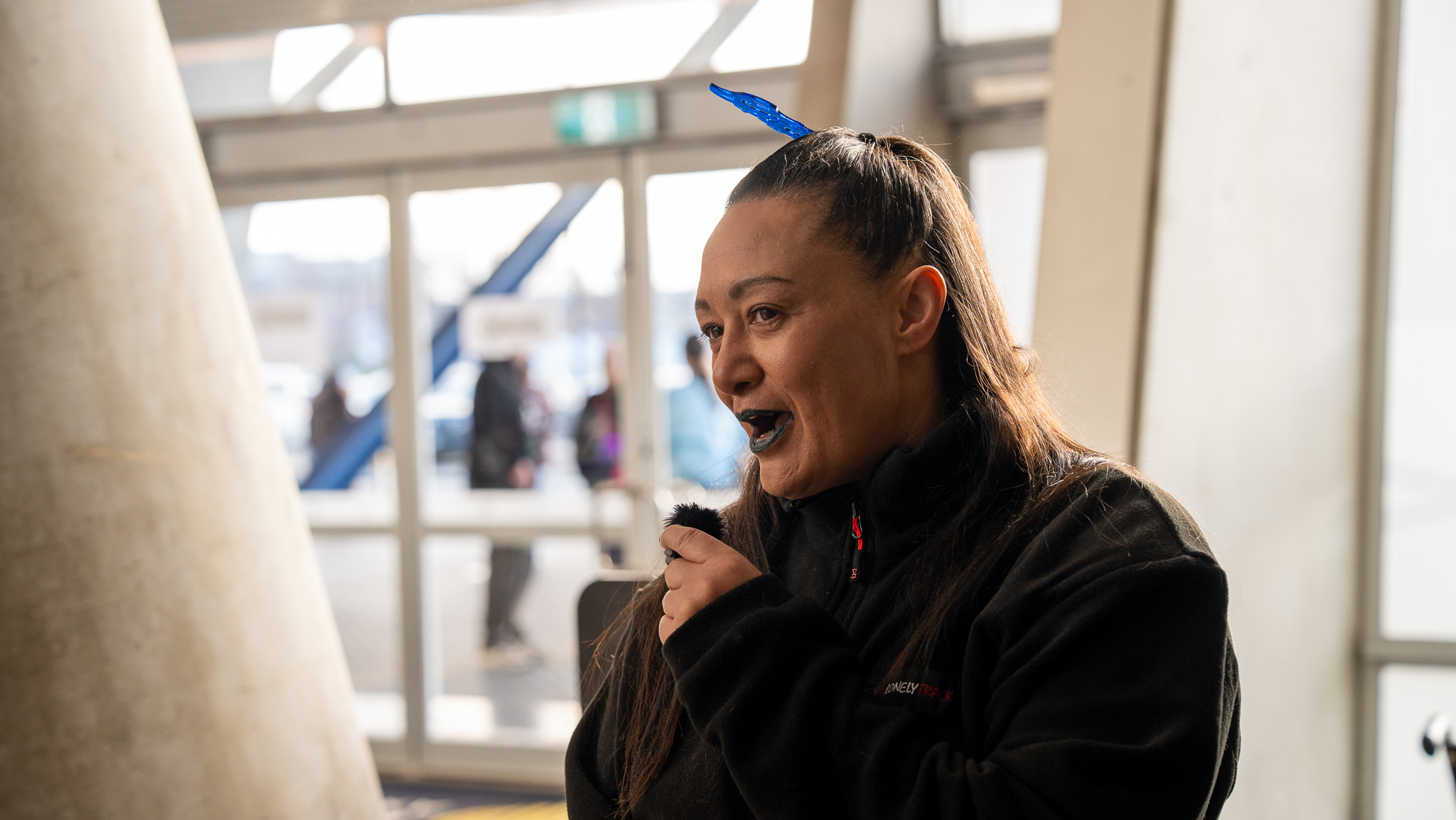
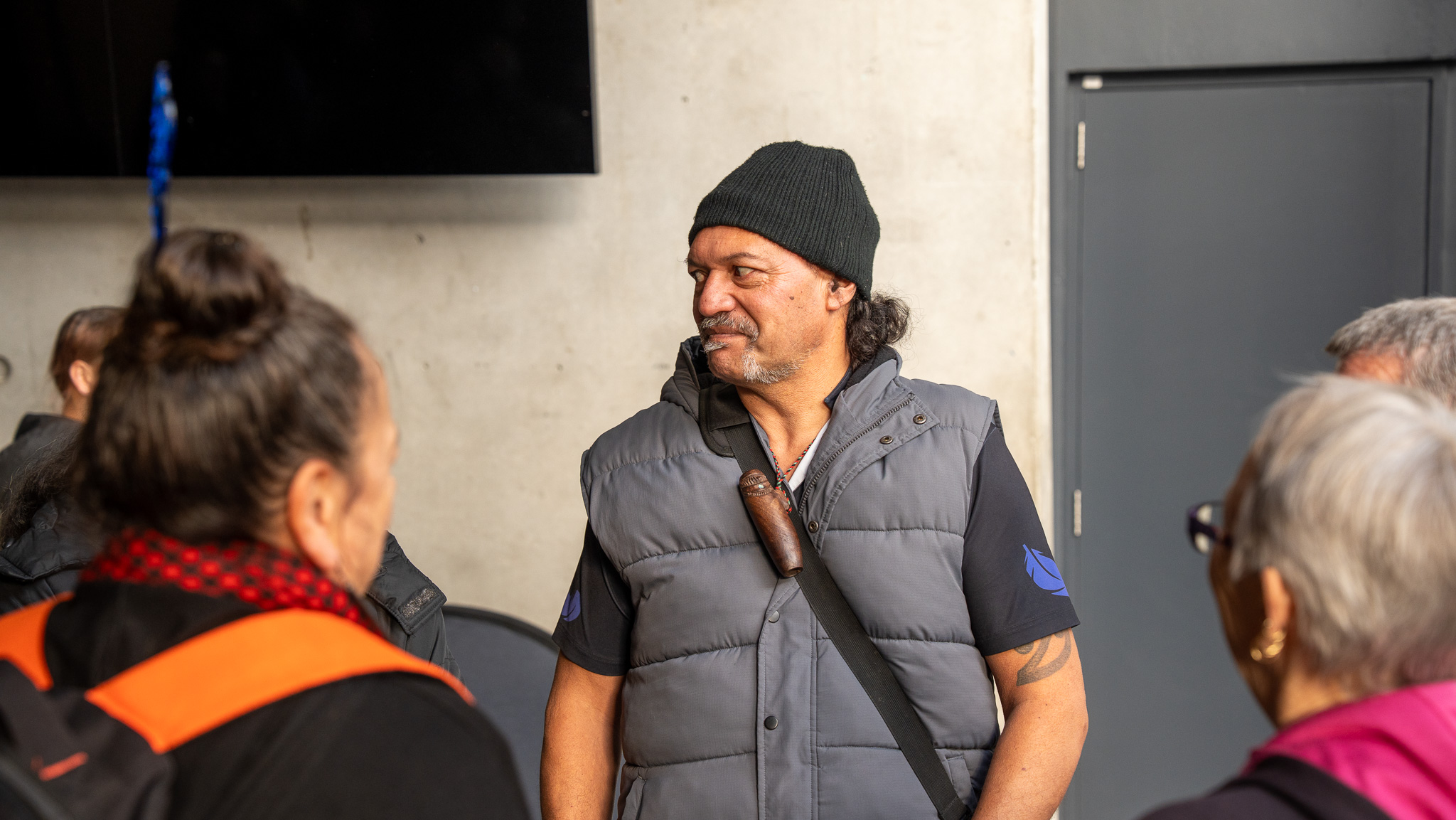
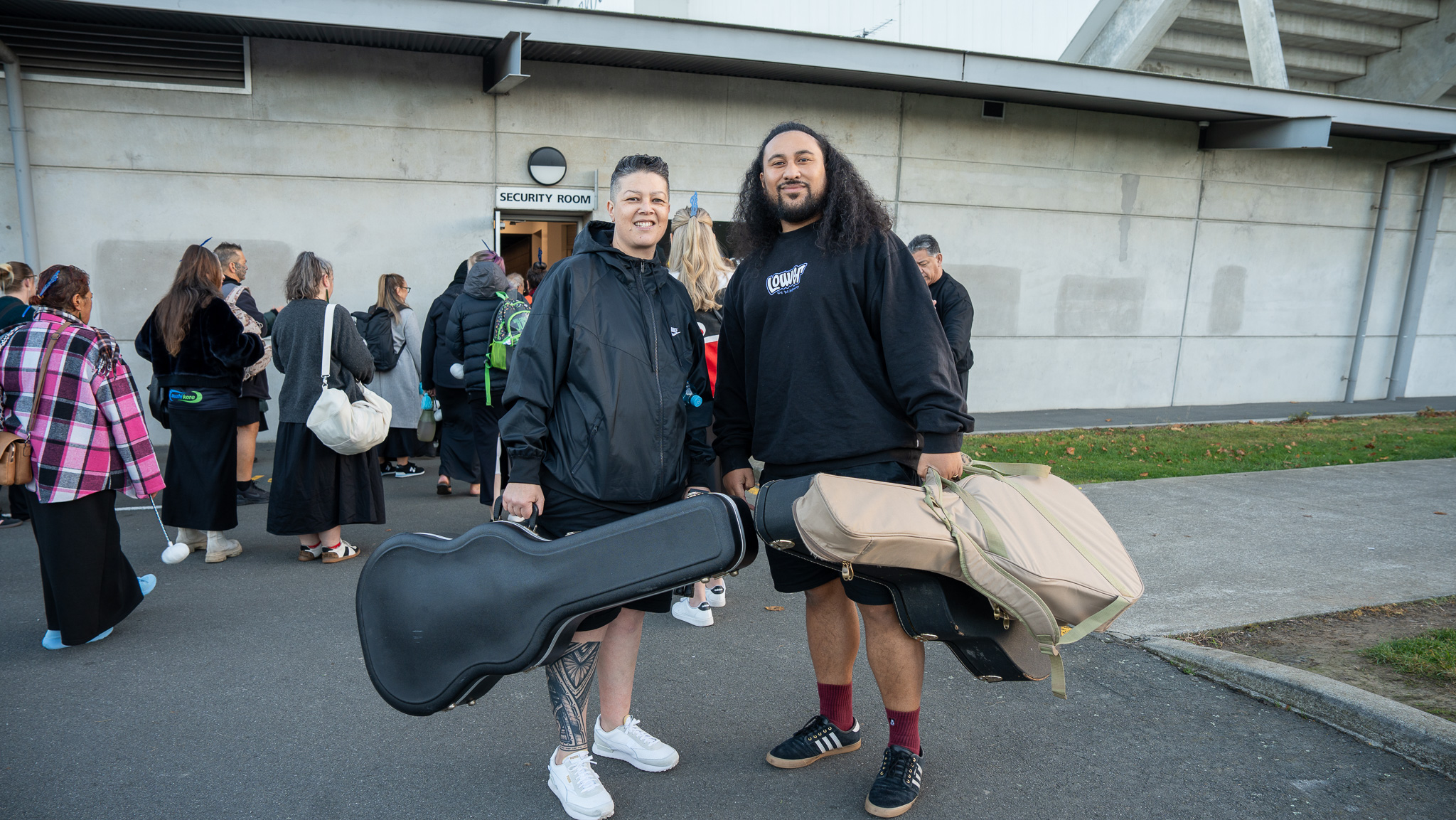
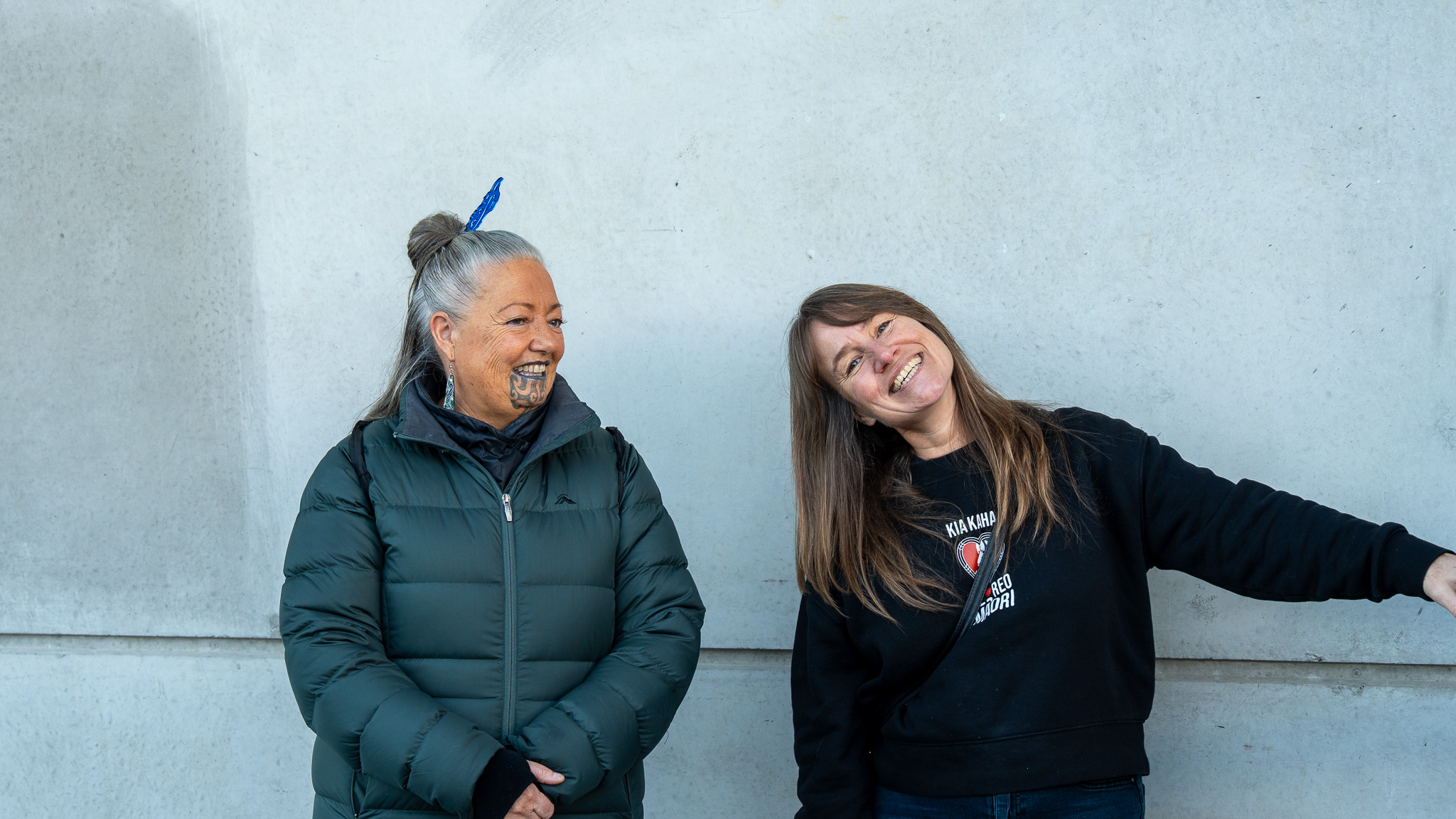
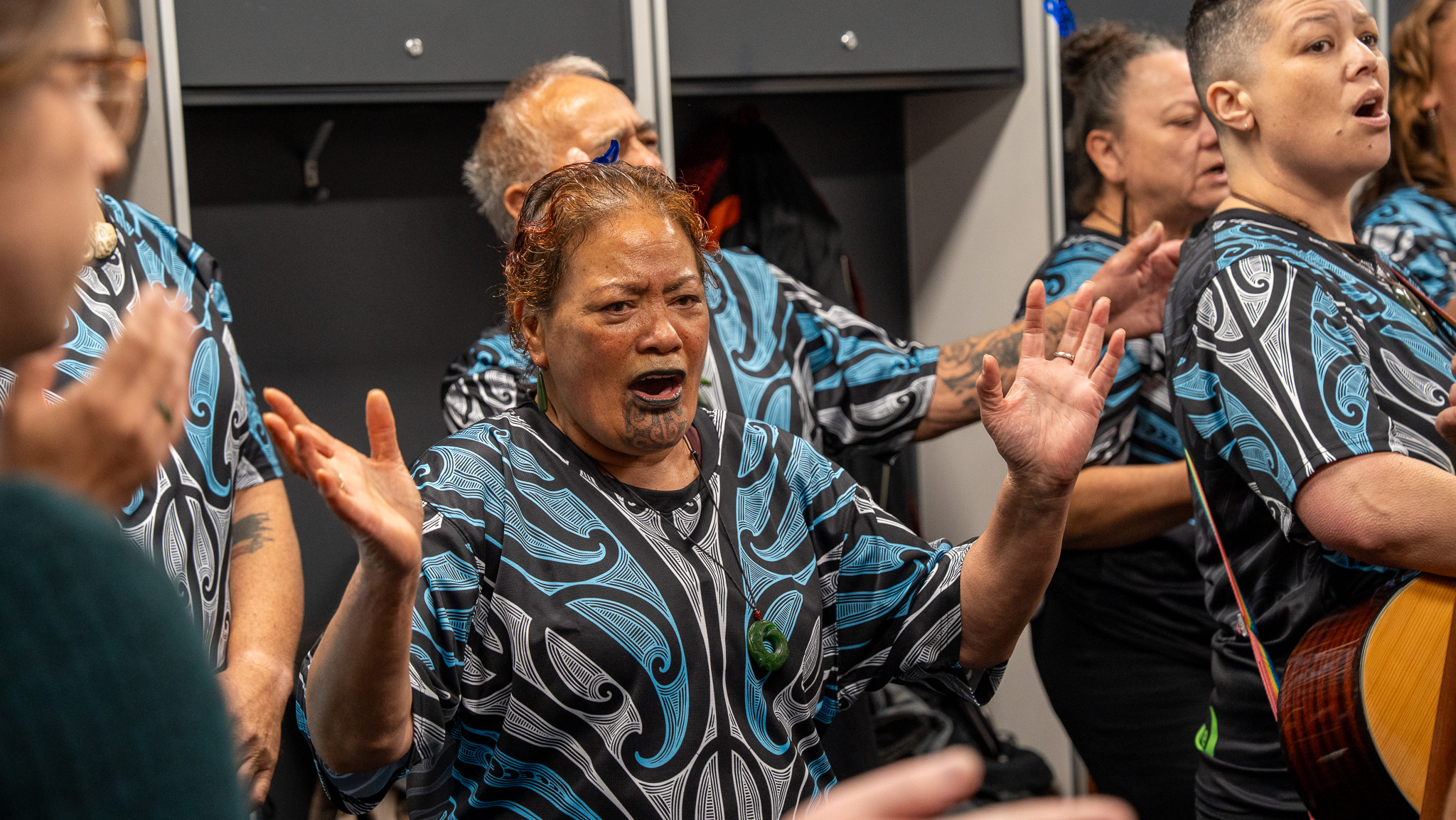
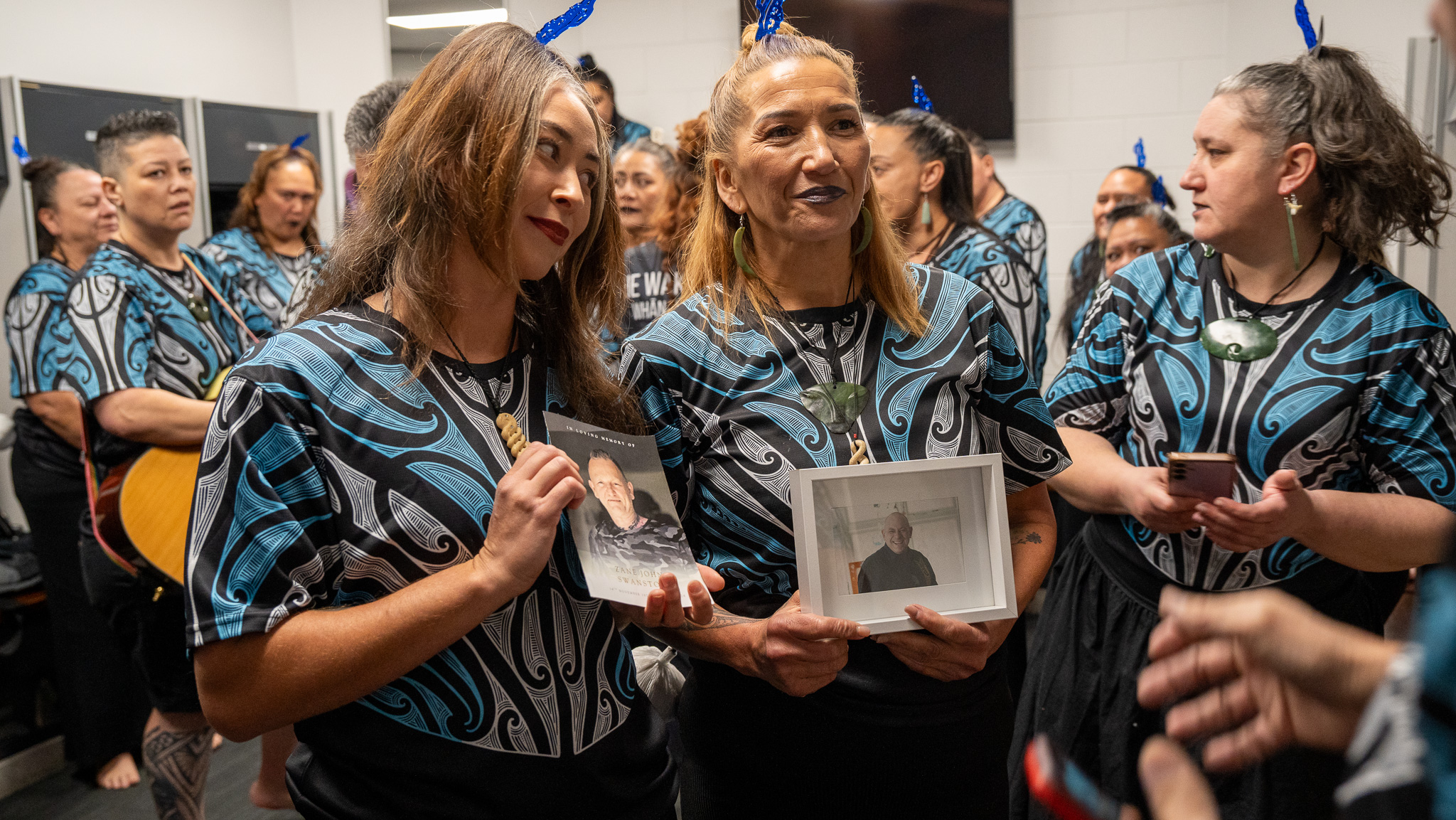
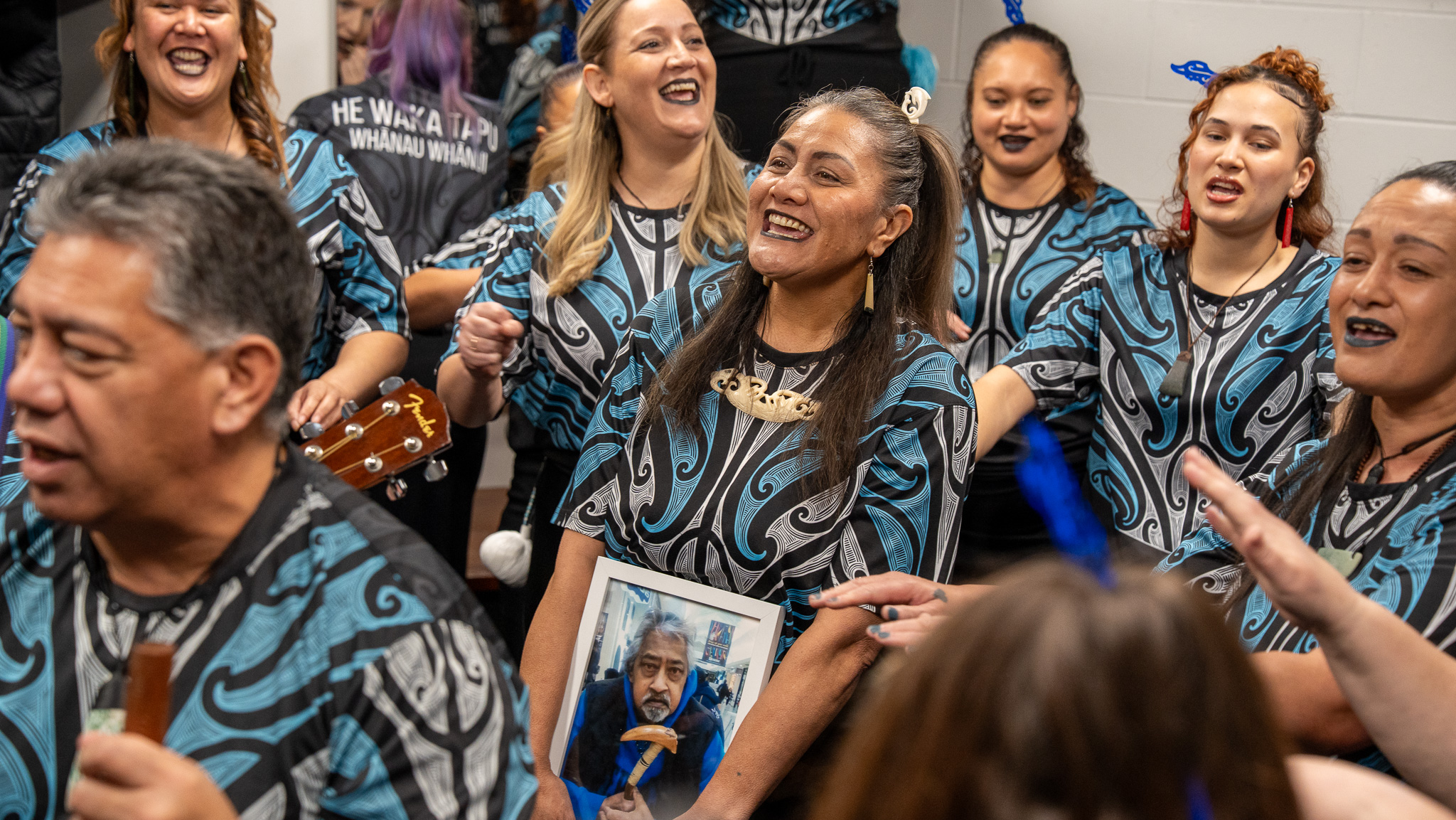
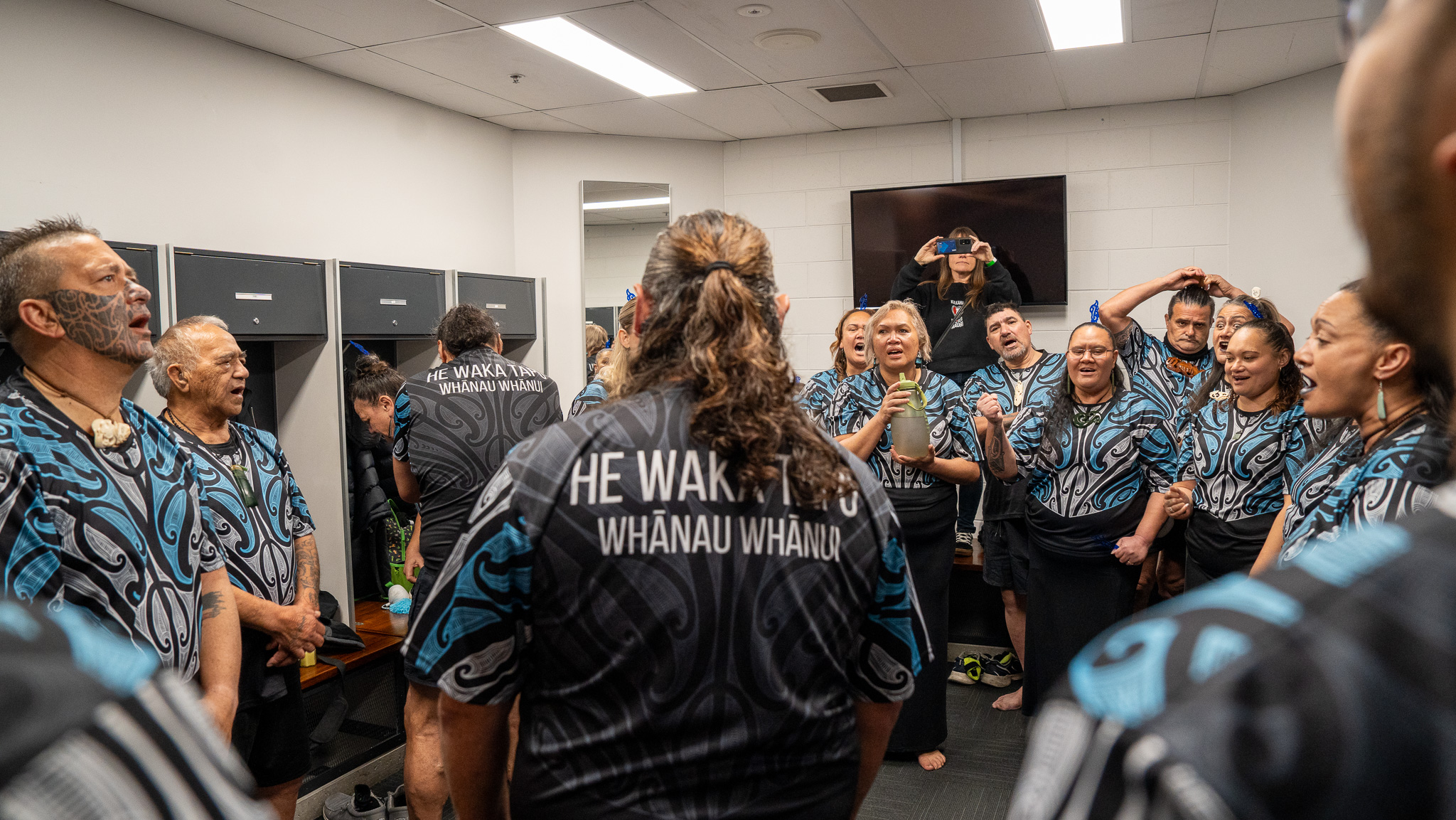
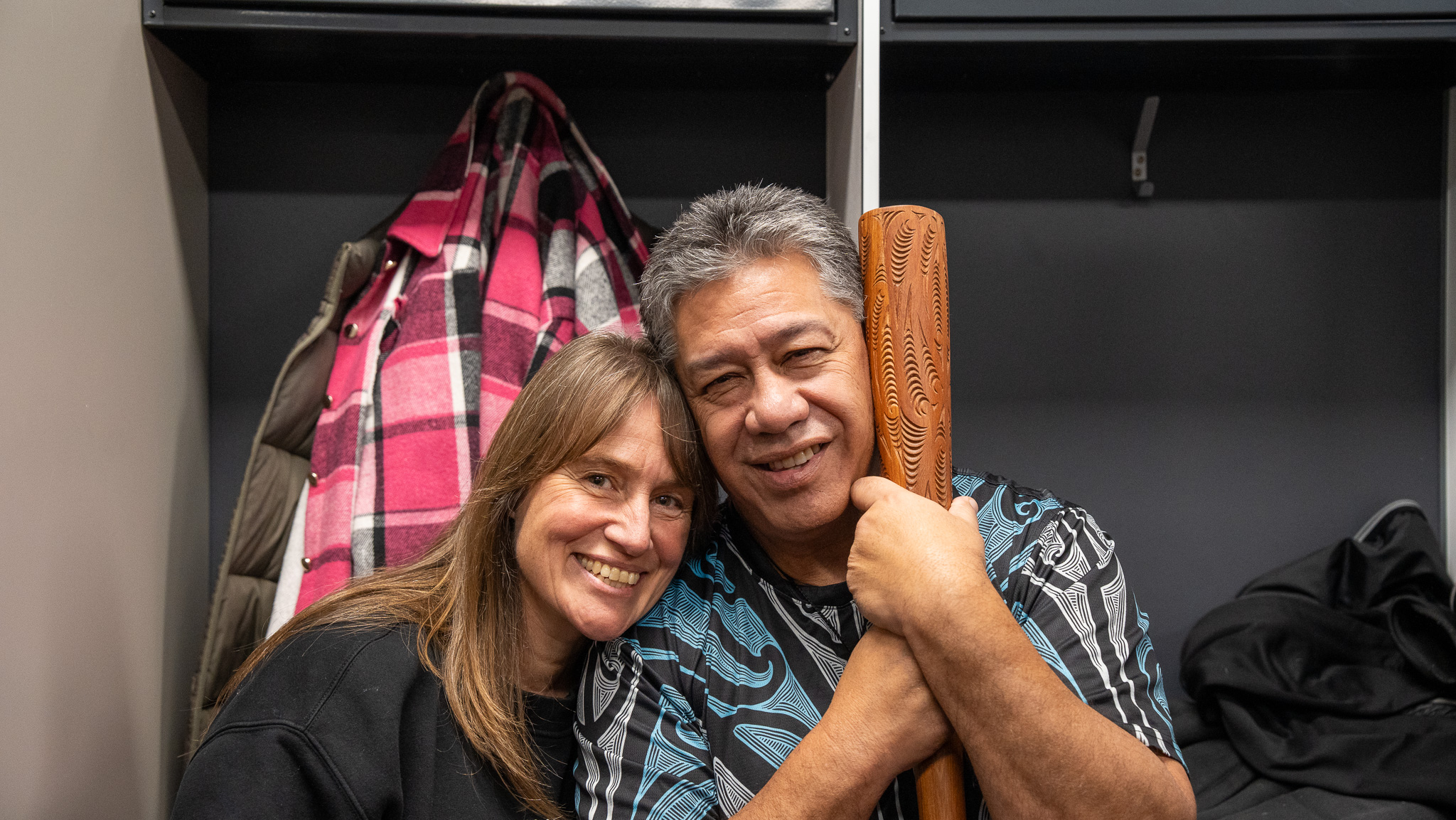
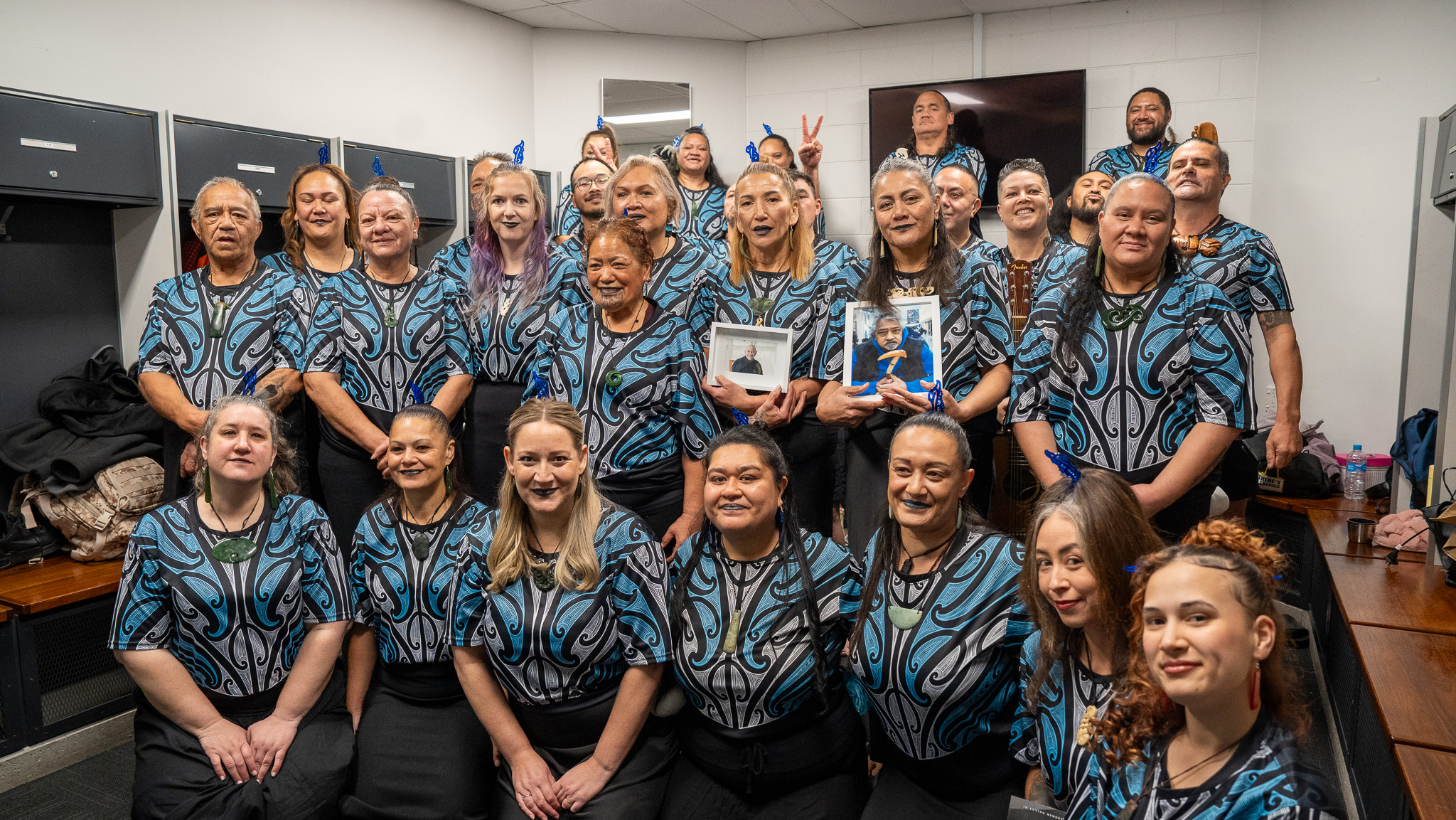
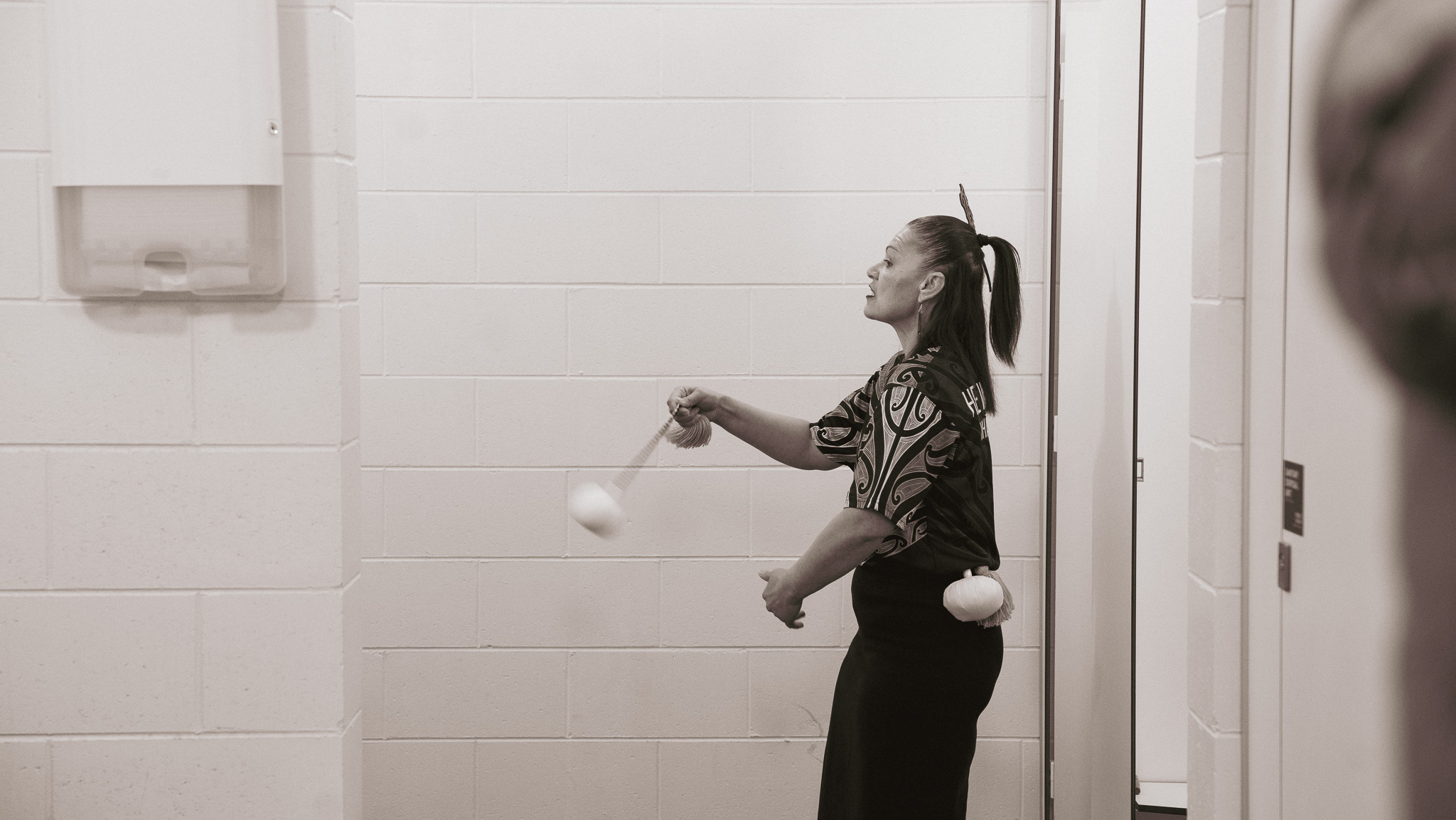
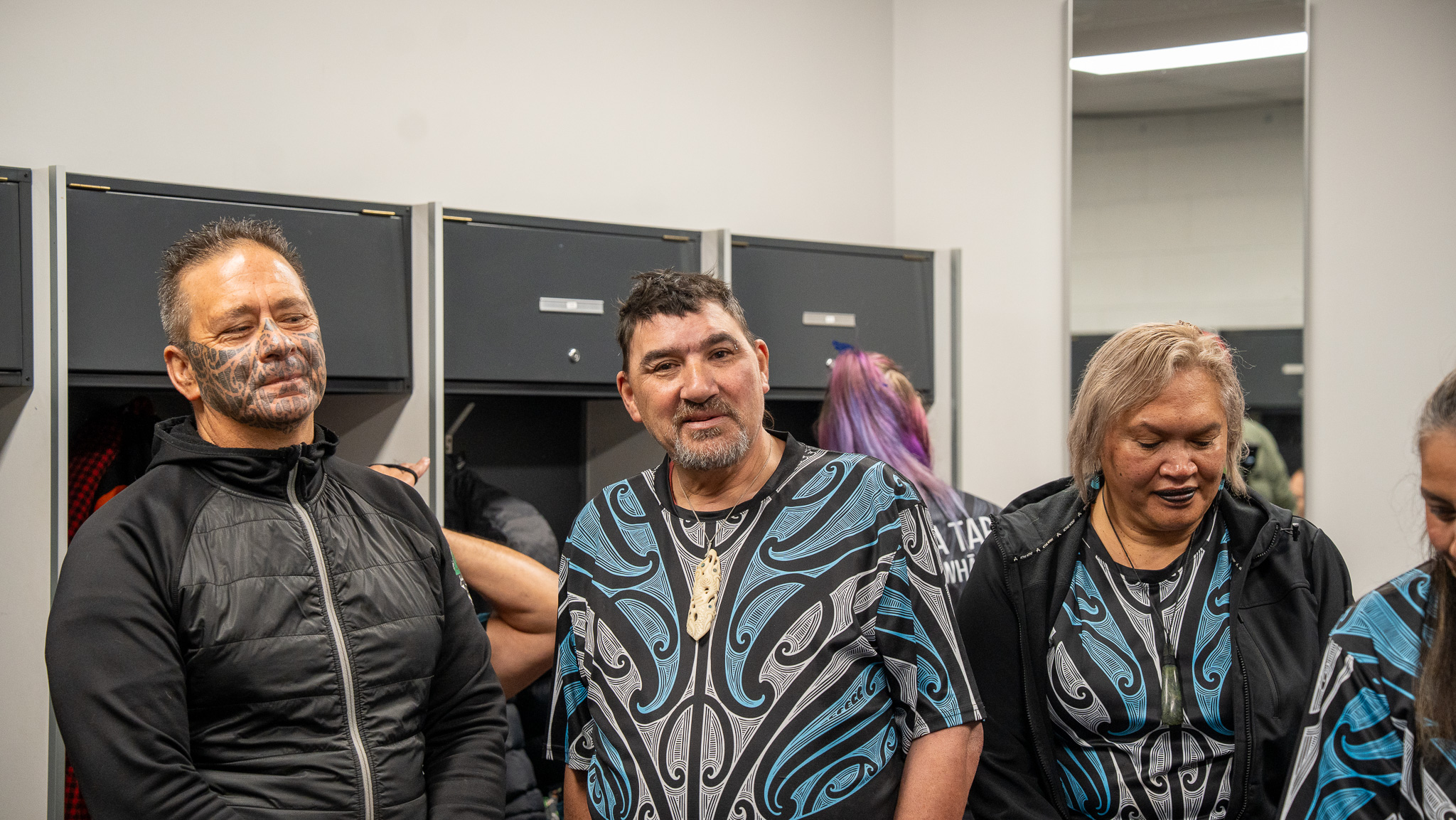
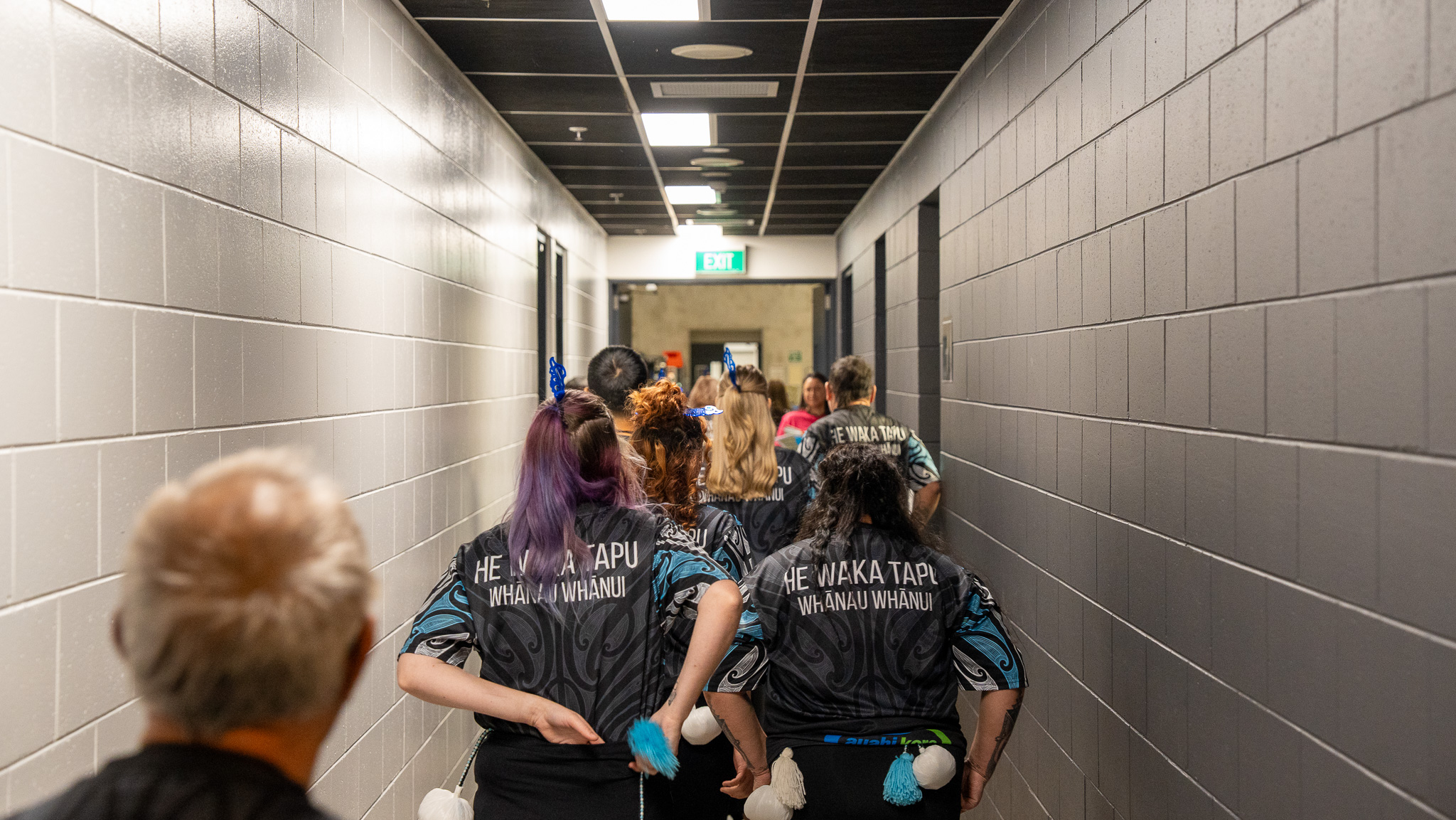
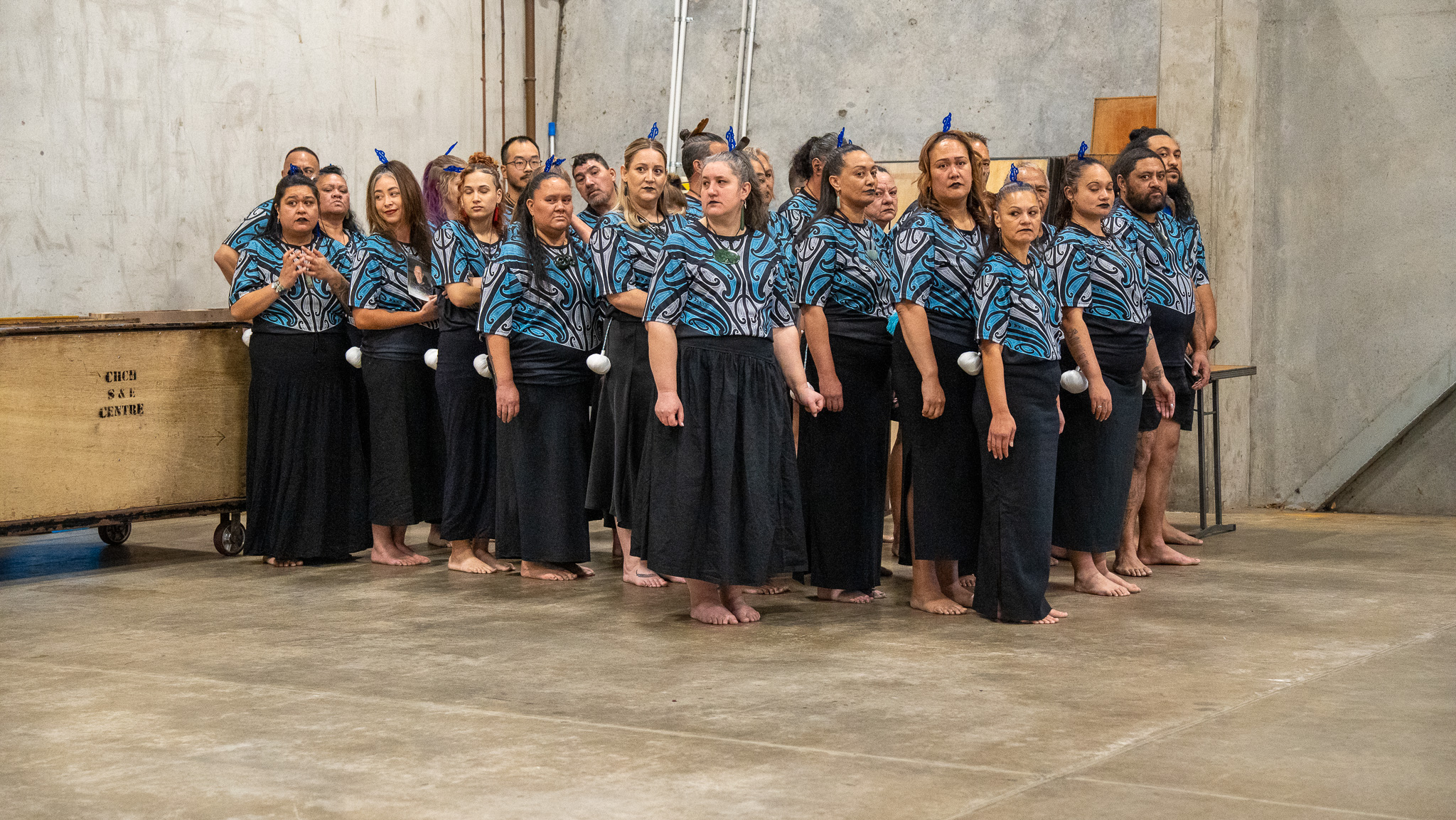
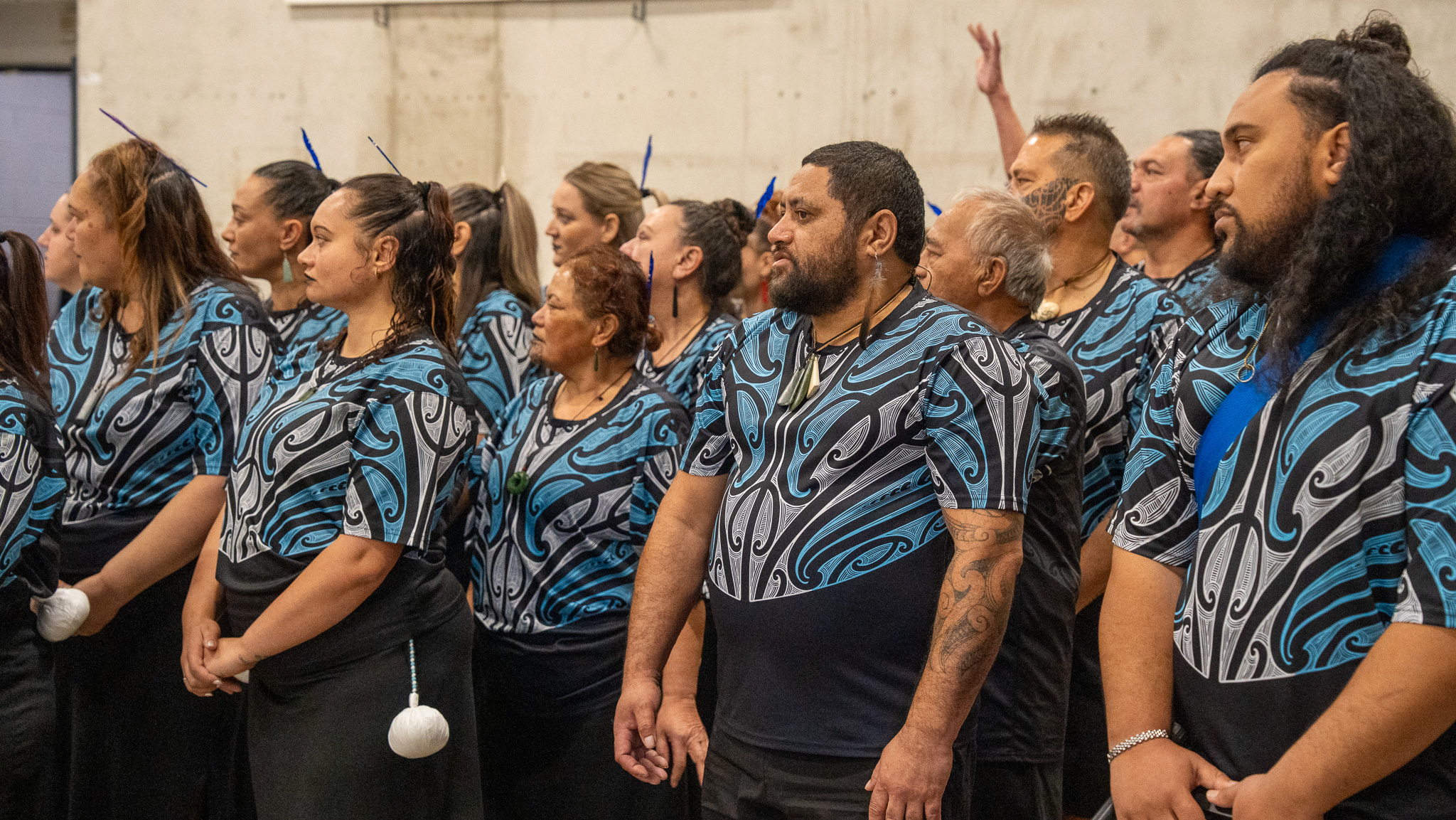
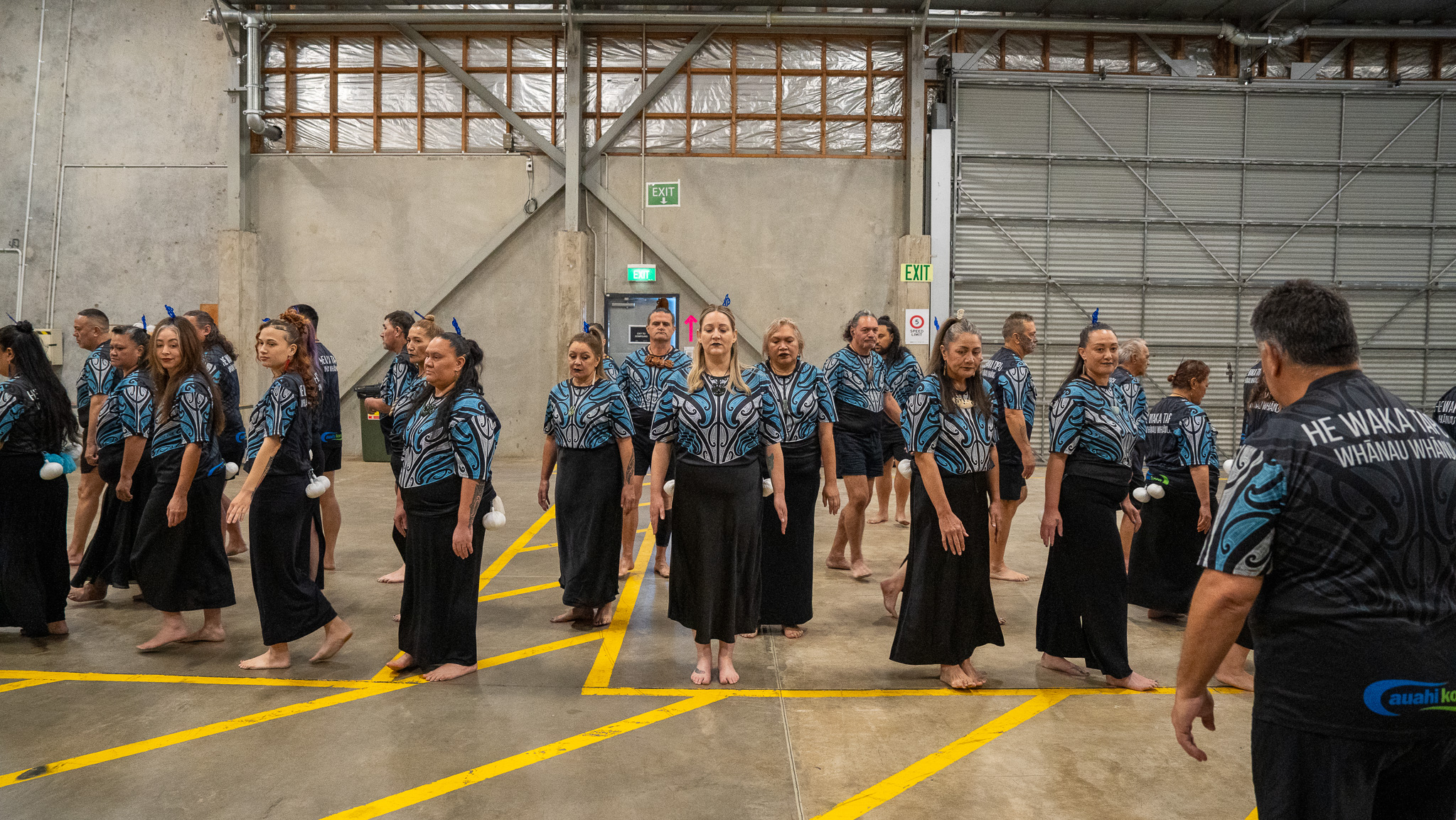
Our rōpū took to the stage as a Ngāhau, non-competing group for the second time at the regionals. What makes this rōpū special is who it is made up of. Different ages, different ethnicities, different abilities, all coming together and dedicating four months of their lives to learning a 25-minute set.
For some members, it was their first time ever standing on a Te Matatini stage. The goals were simple but profound: whanaungatanga, oranga, aroha. To build real relationships, to nurture wellbeing, and to show up for each other with open hearts. What bound them was not experience or expectation but the mauri of the kaupapa itself, the wairua and mana of He Waka Tapu carried into every step, every word, every moment on that paepae. A collective pride drove them, and it showed.
This is exactly what we wrote about ahead of the event. That for our whānau, kapa haka is not about titles or trophies. It is about showing up, standing together, and honouring culture as a source of wellbeing and strength. On the day, that kaupapa was very much alive.
The wider competition gave us plenty to celebrate too. It was the first time Te Kairangi o Te Reo, Māori language excellence, was judged as an aggregate item in this region, a meaningful milestone for the kaupapa. Environmental themes ran strongly through the day, with Dunedin-based Rukutia using their mōteatea to speak to the impact of farming on the whenua, earning themselves a fourth-place finish and a debut spot at Te Matatini 2027. Te Kapa Haka o Ngāti Wheke from Rāpaki similarly brought the local kōrero of untreated wastewater discharged into Whakaraupō to the stage. When kapa haka speaks to what communities are actually living, that is the art form at its most powerful.
Former regional champions Kōkō Tangiwai paid tribute to Waitaha Cultural Council chair and Ngāi Tahu matriarch Rānui Ngārimu in their whakawātea, and Te Ahikōmau brought the house down with a karanga that put their members' collective ailments on full blast, before delivering a deeply moving whakawātea in honour of the late Hēmi Te Hēmi. Ngā Manu a Tāne claimed third place and a return to the national stage in their 20th year as a rōpū. Tino pai rawa atu.
But we keep coming back to our people. A rōpū who came from different walks of life, gave four months of themselves, and stood tall on one of kapa haka's biggest stages. Whanaungatanga, oranga, aroha. Not just kupu, but the lived experience of every single member who performed that day. That is He Waka Tapu.
Ngā mihi nui ki ā mātou rōpū, ki ngā kaiako, ki ngā whānau i tautoko mai. Kāore e taea te whakamārama.
All photos besides those in the gallery below courtesy of Waitaha Cultural Council - Ngā Pākihi Whakatekateka o Waitaha.