PĀNUI
NEWS
Looking Back on Oraka Ararau 2026: Te Hereka Waka.
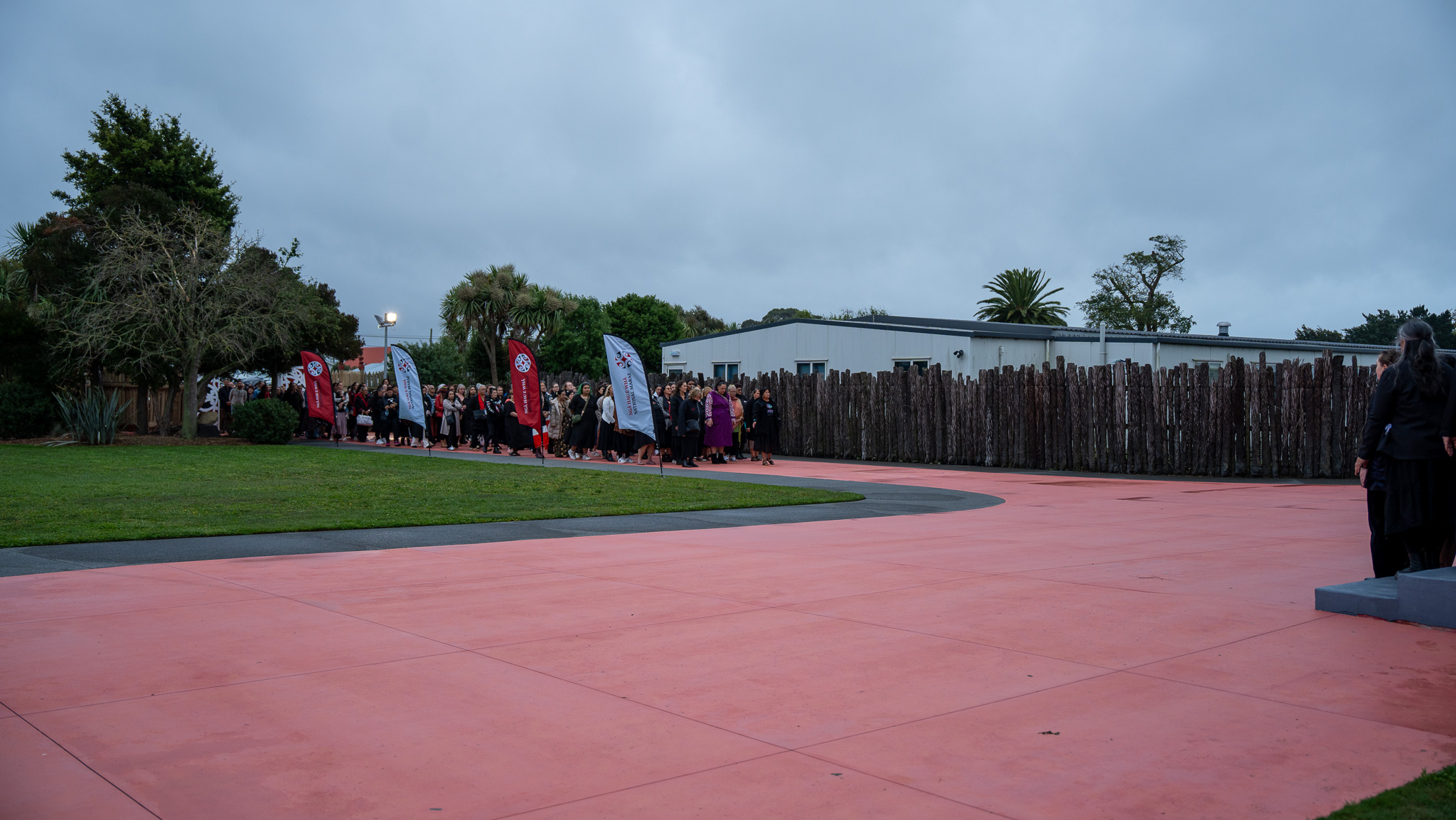
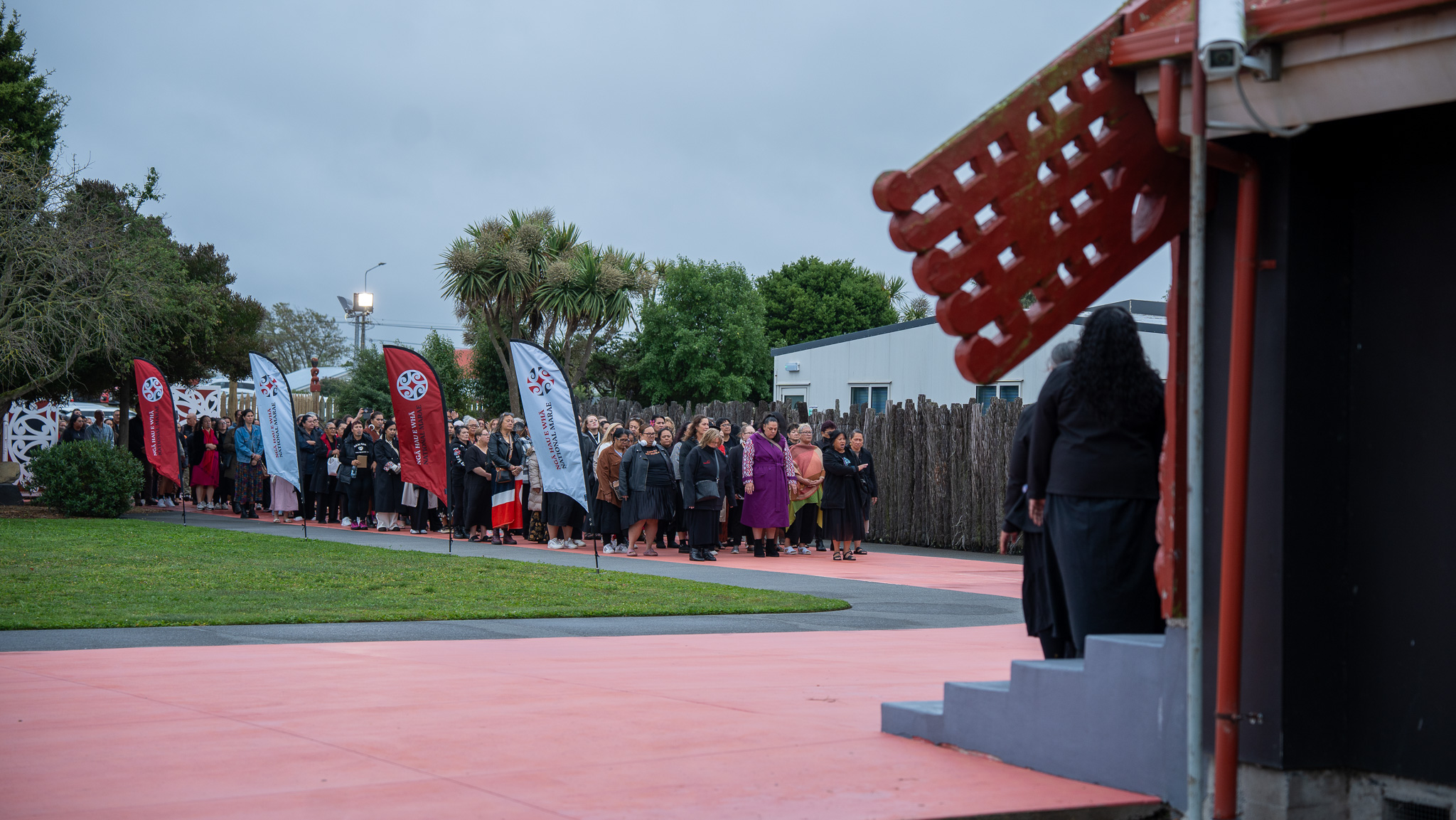
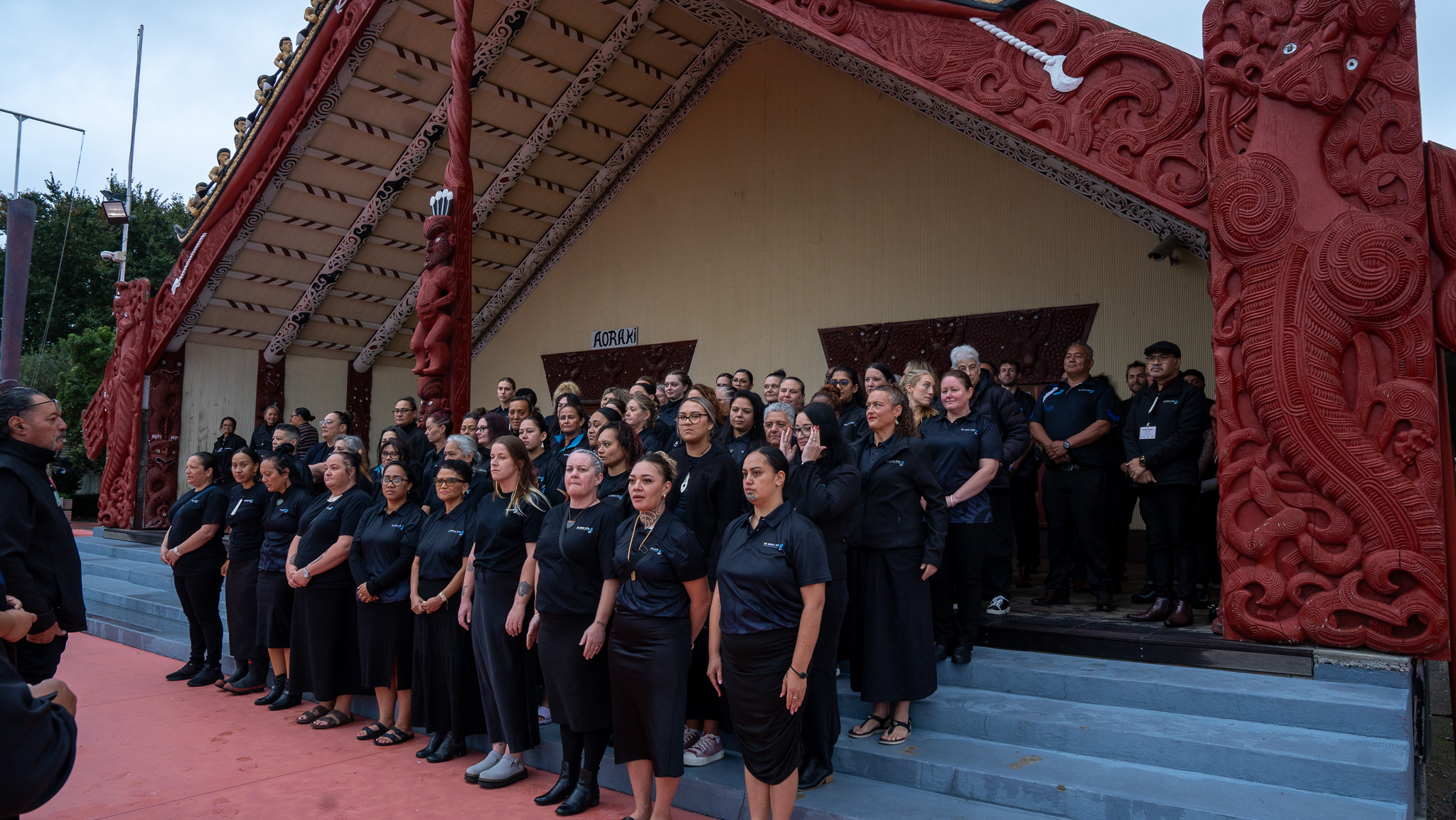
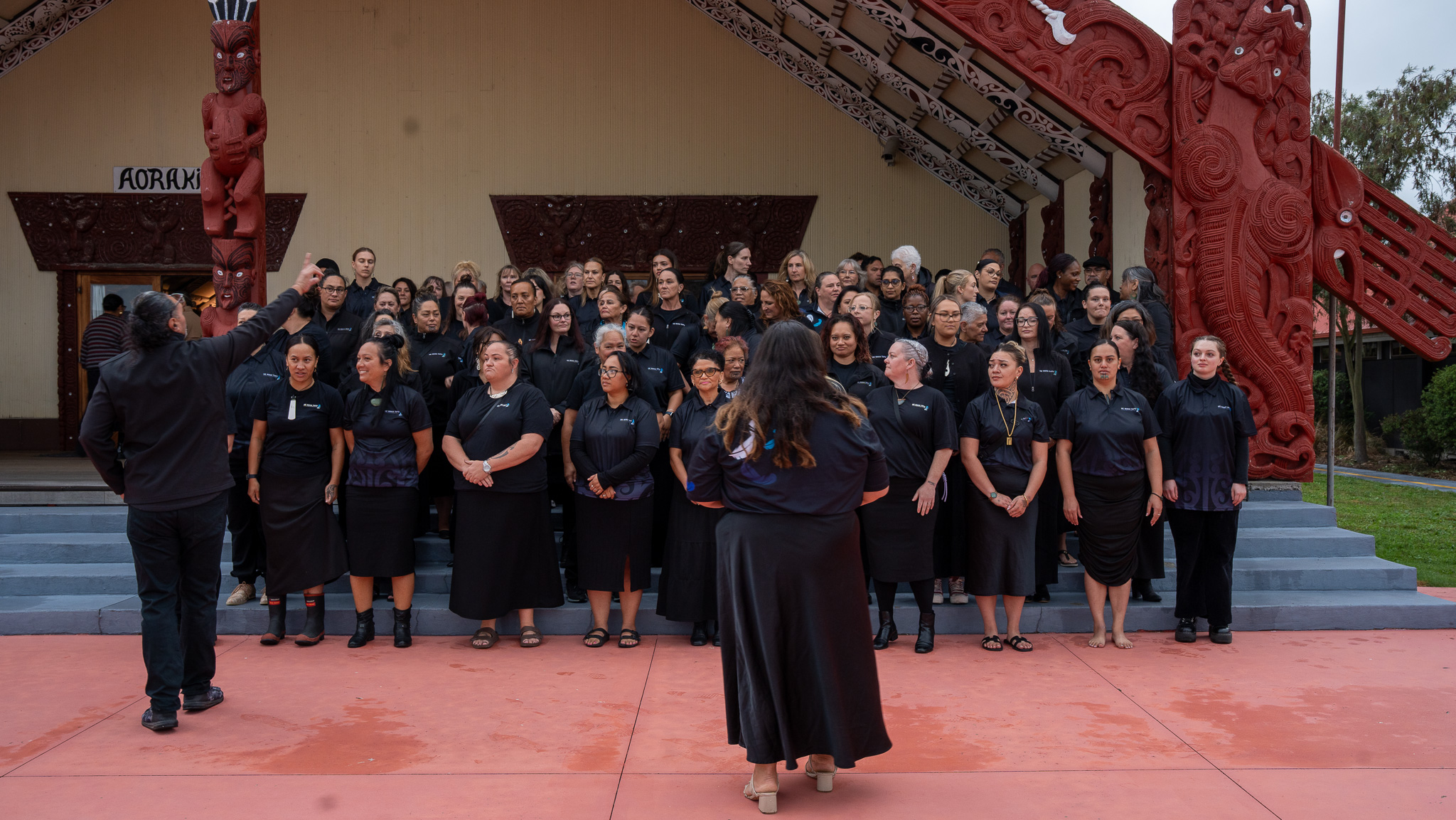
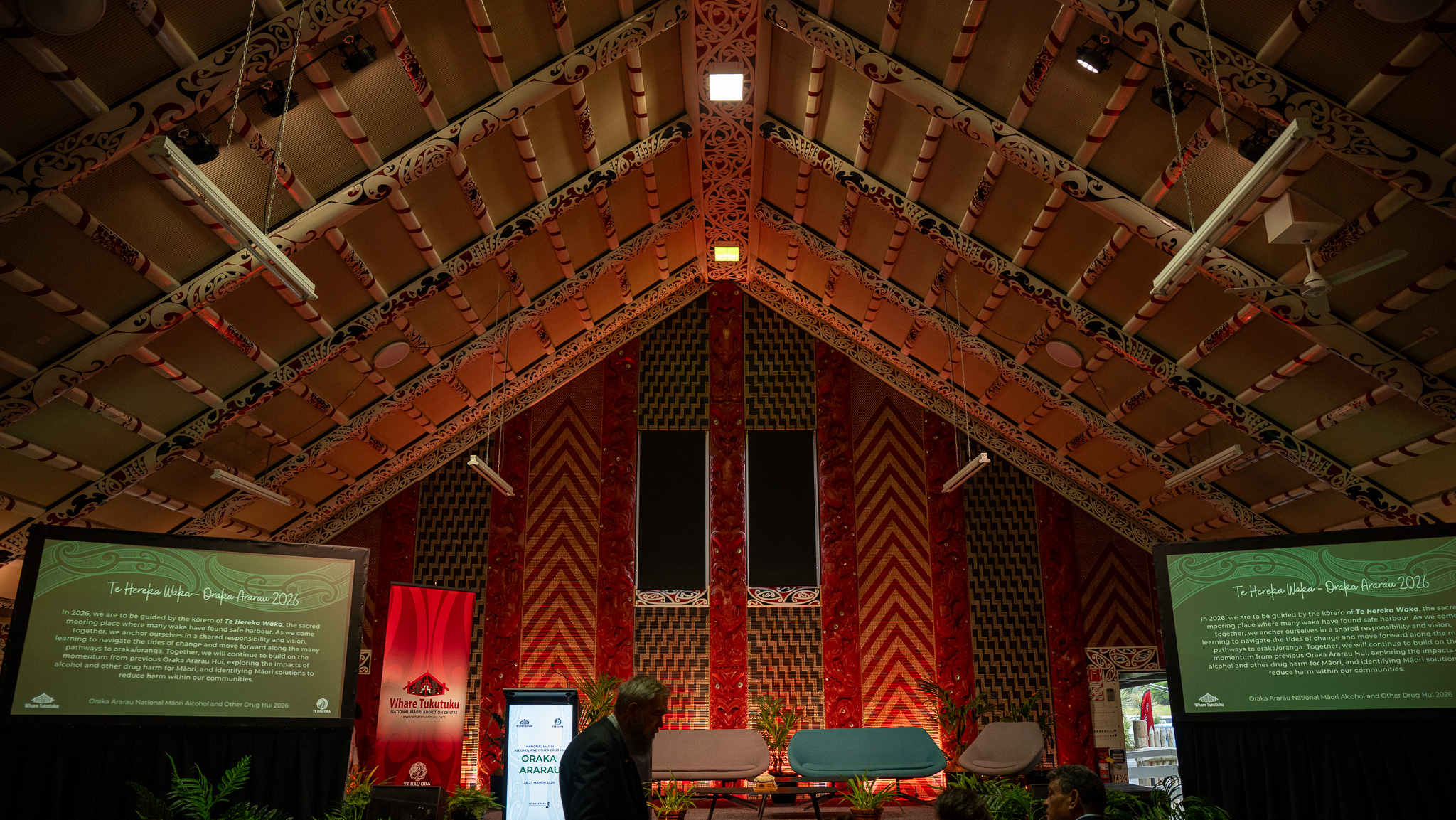
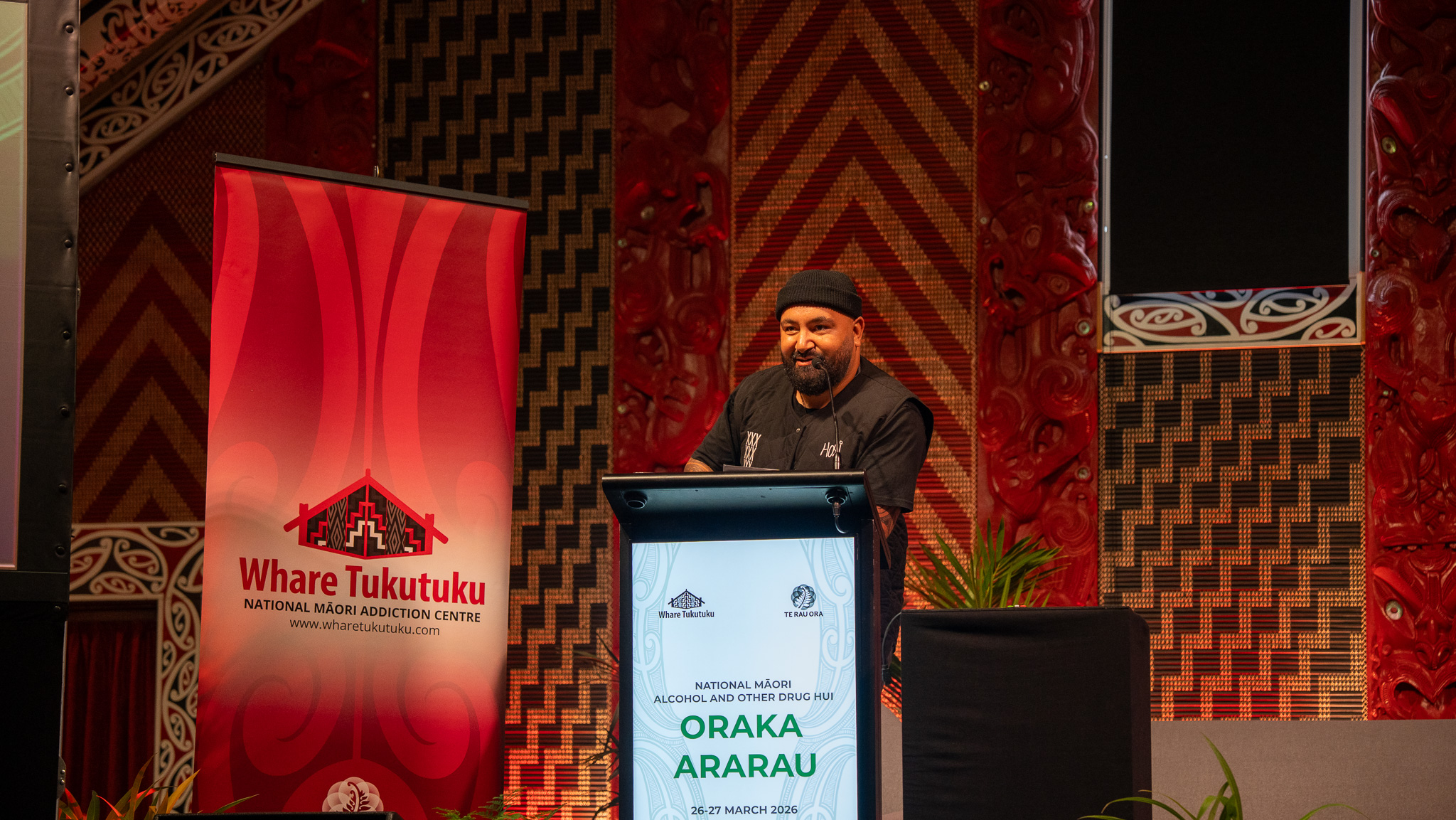
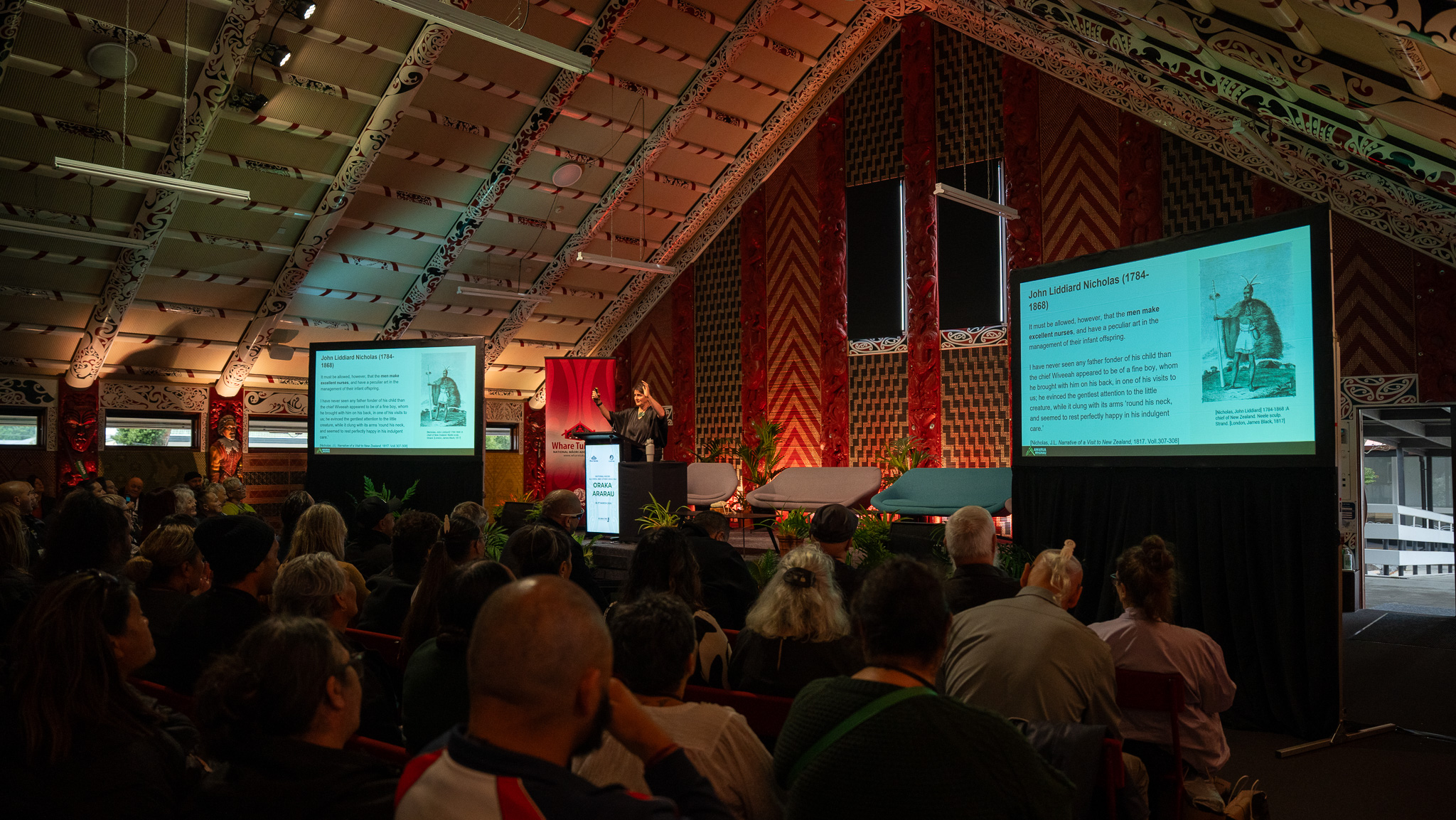
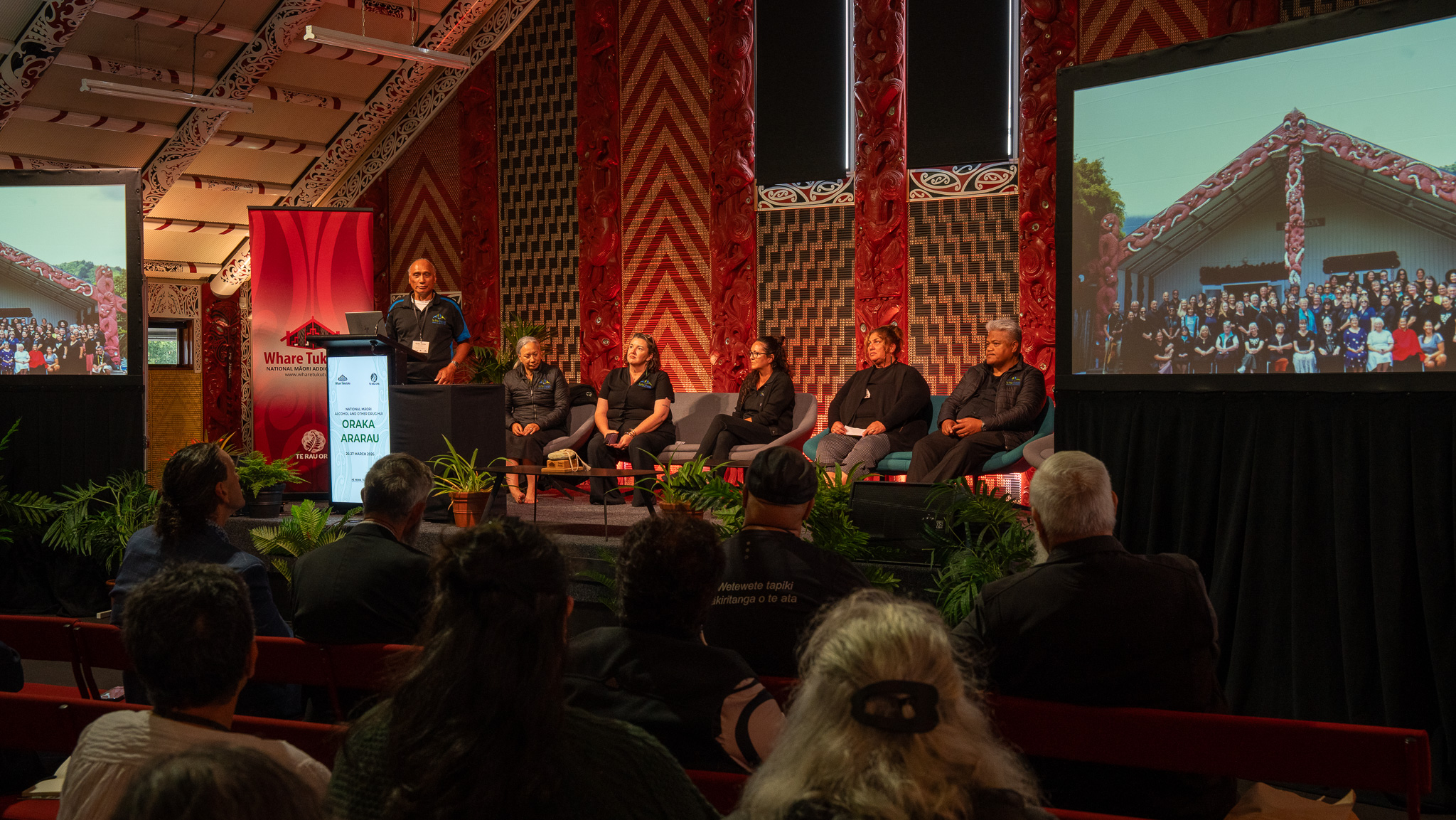
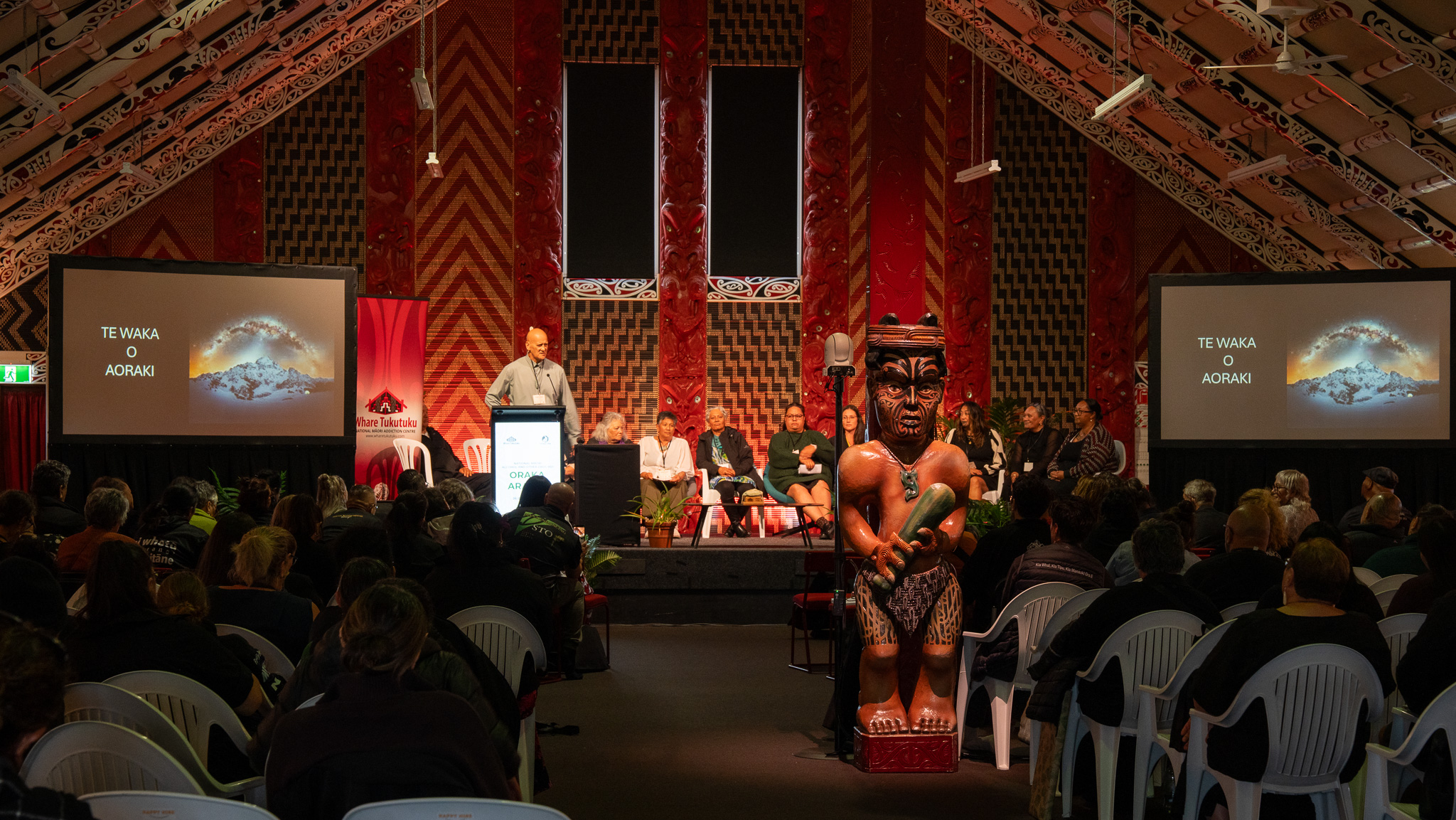
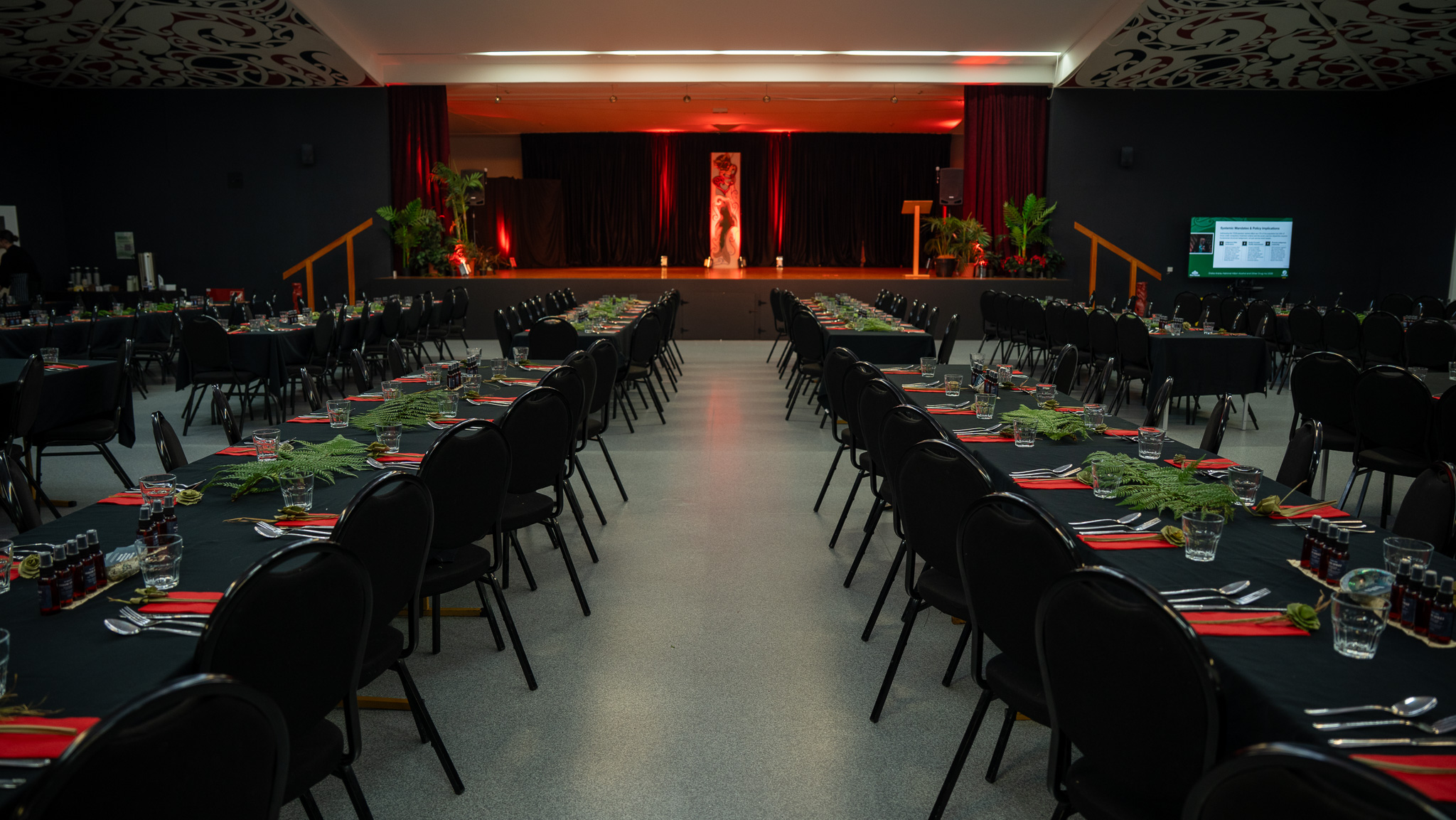
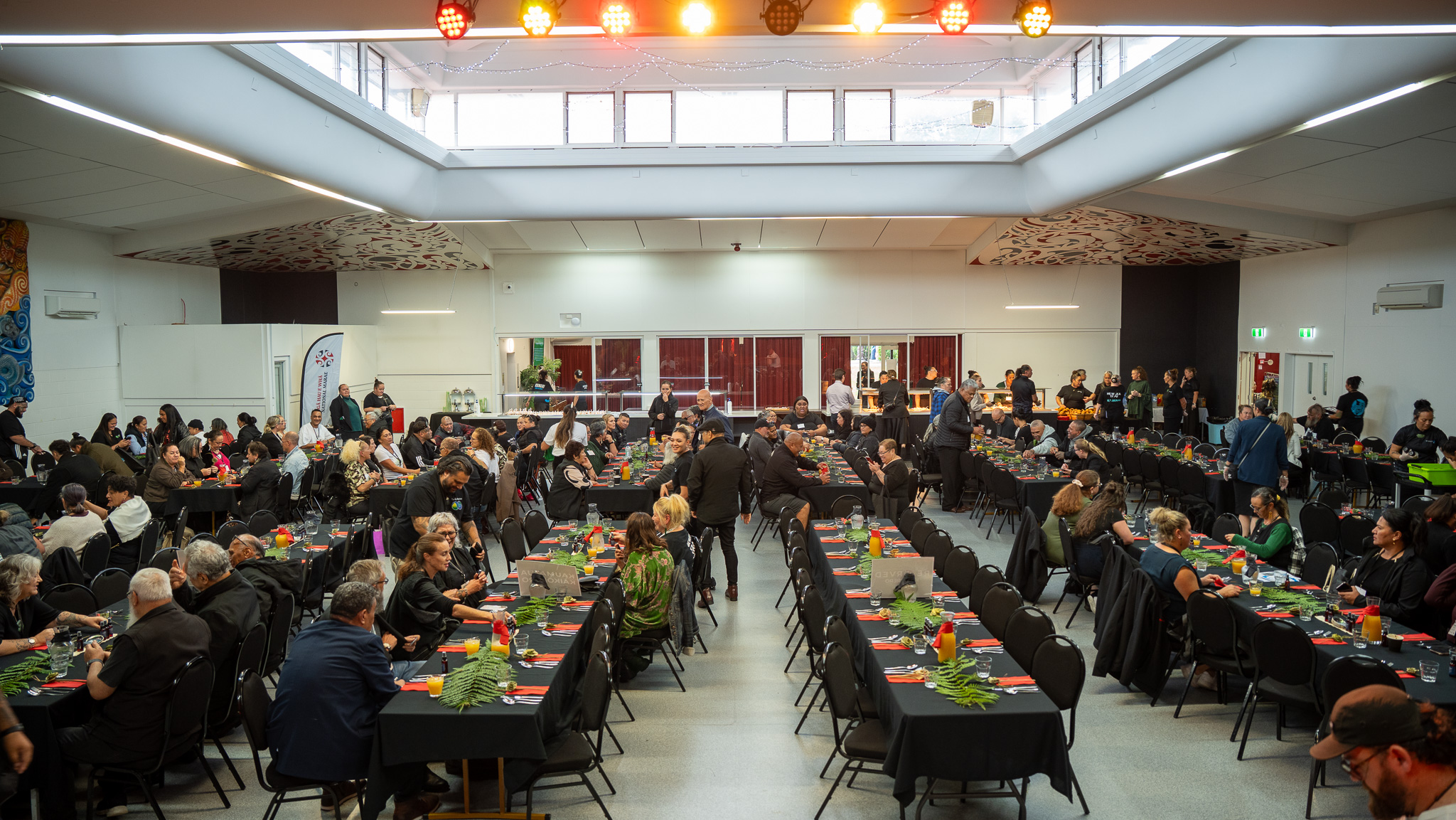
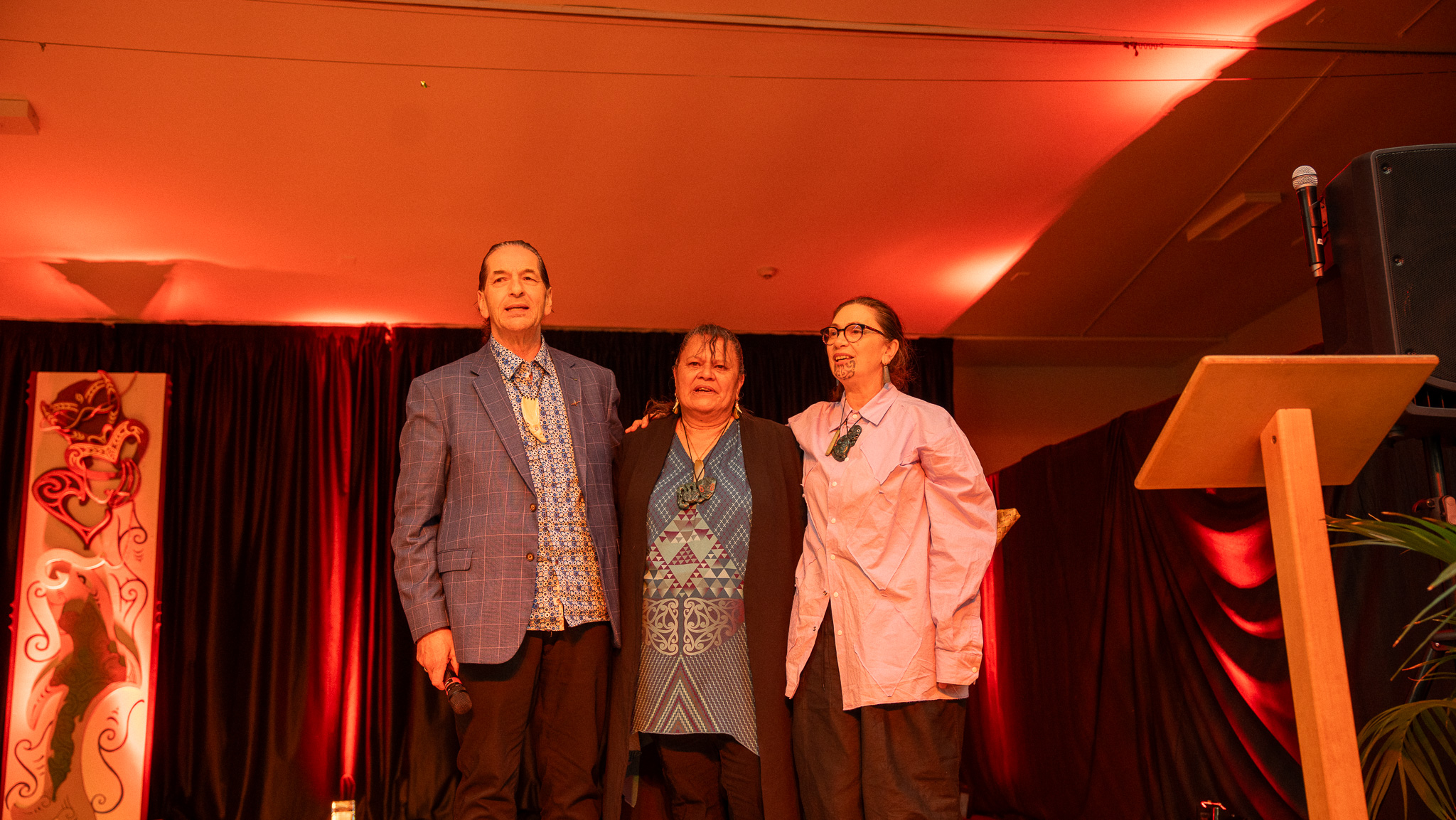
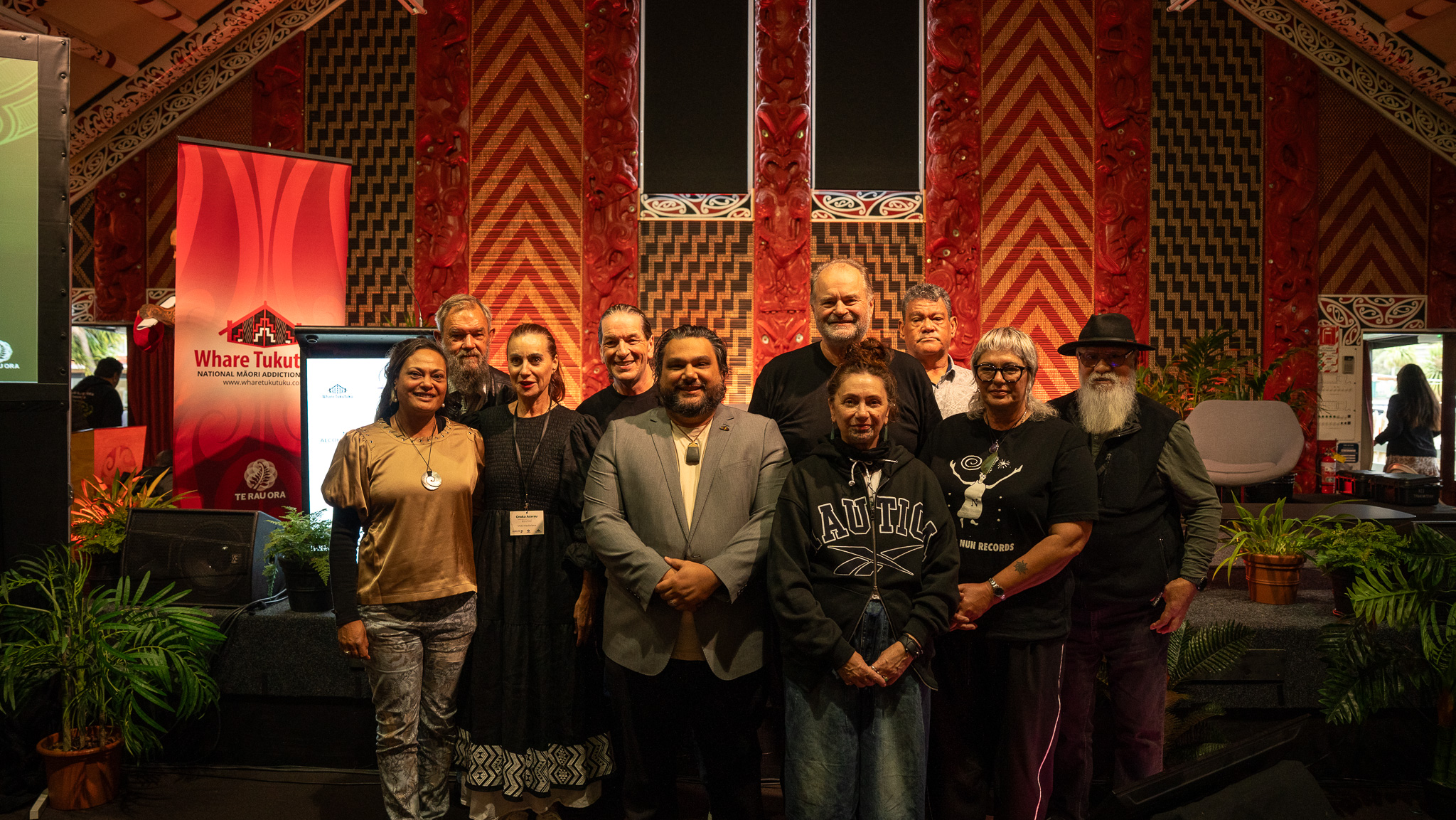
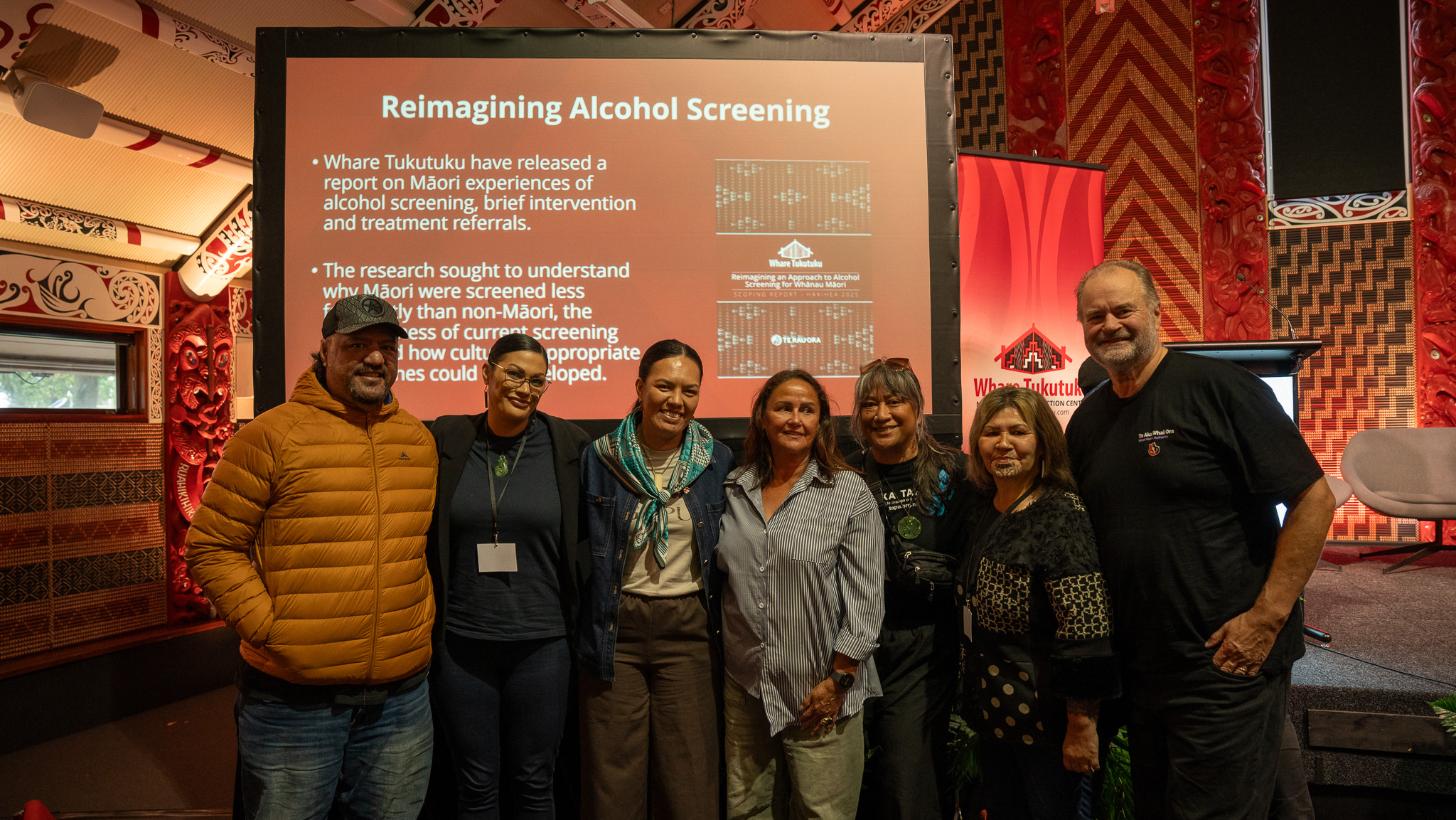
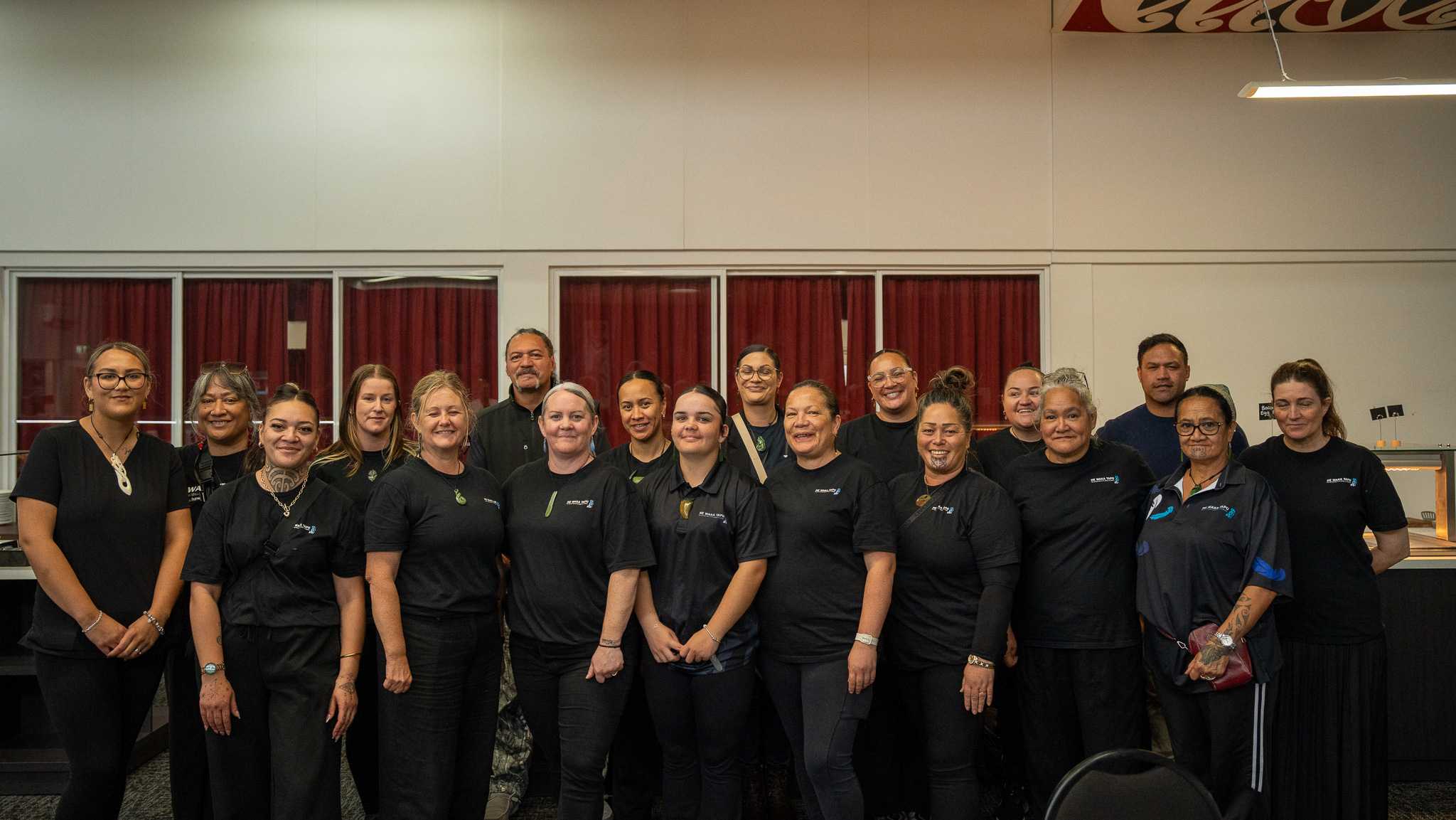
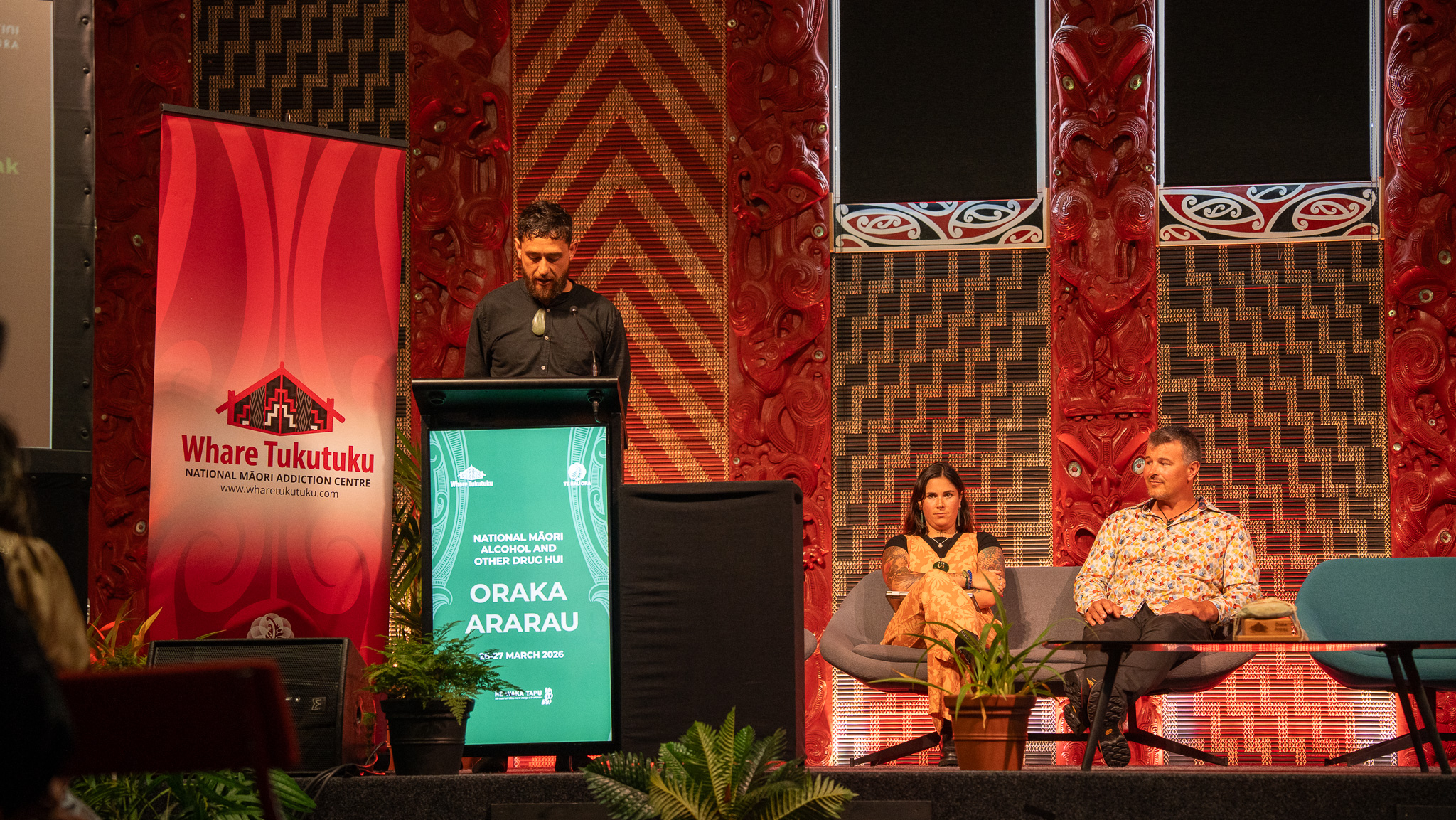
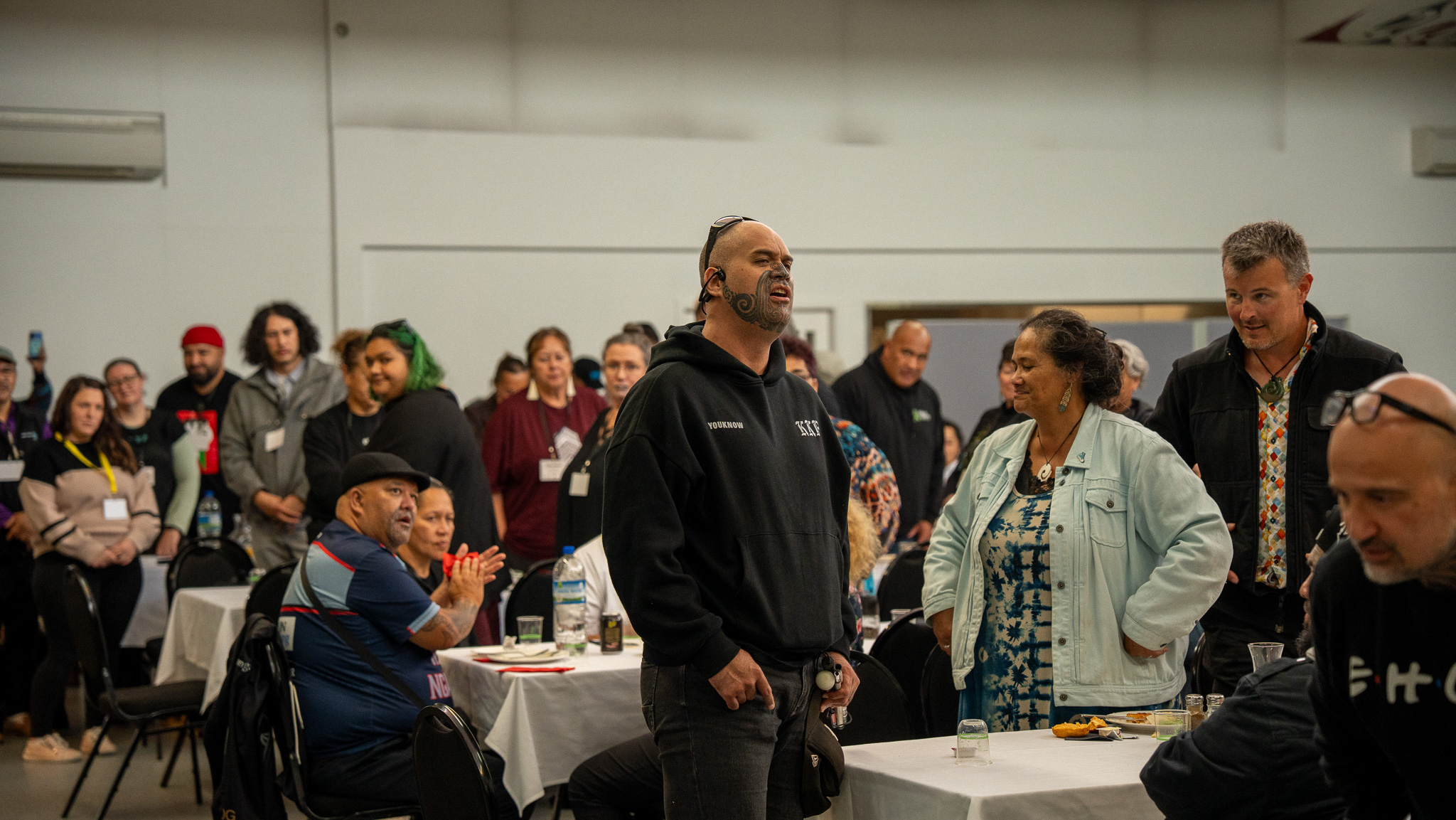
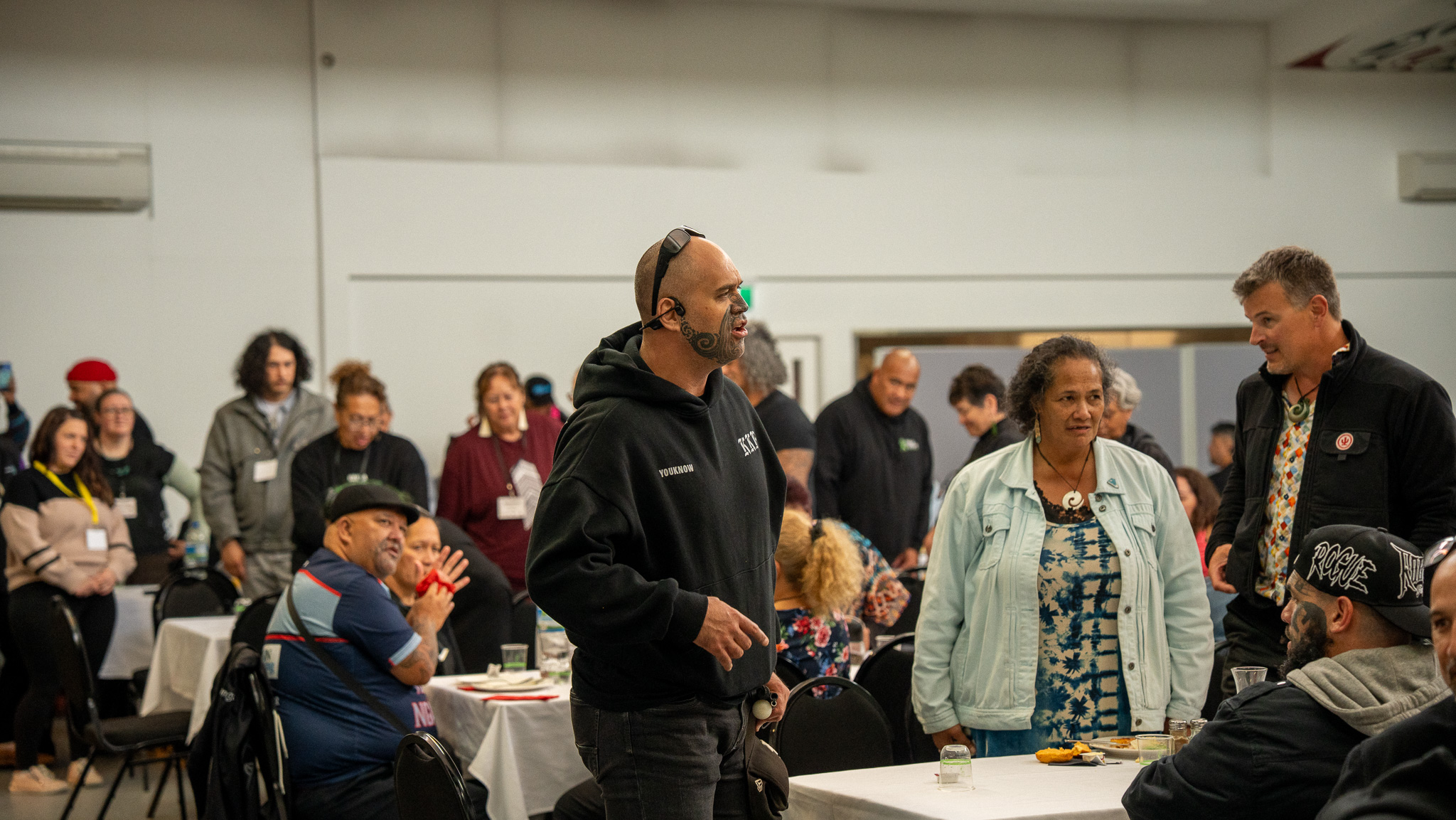
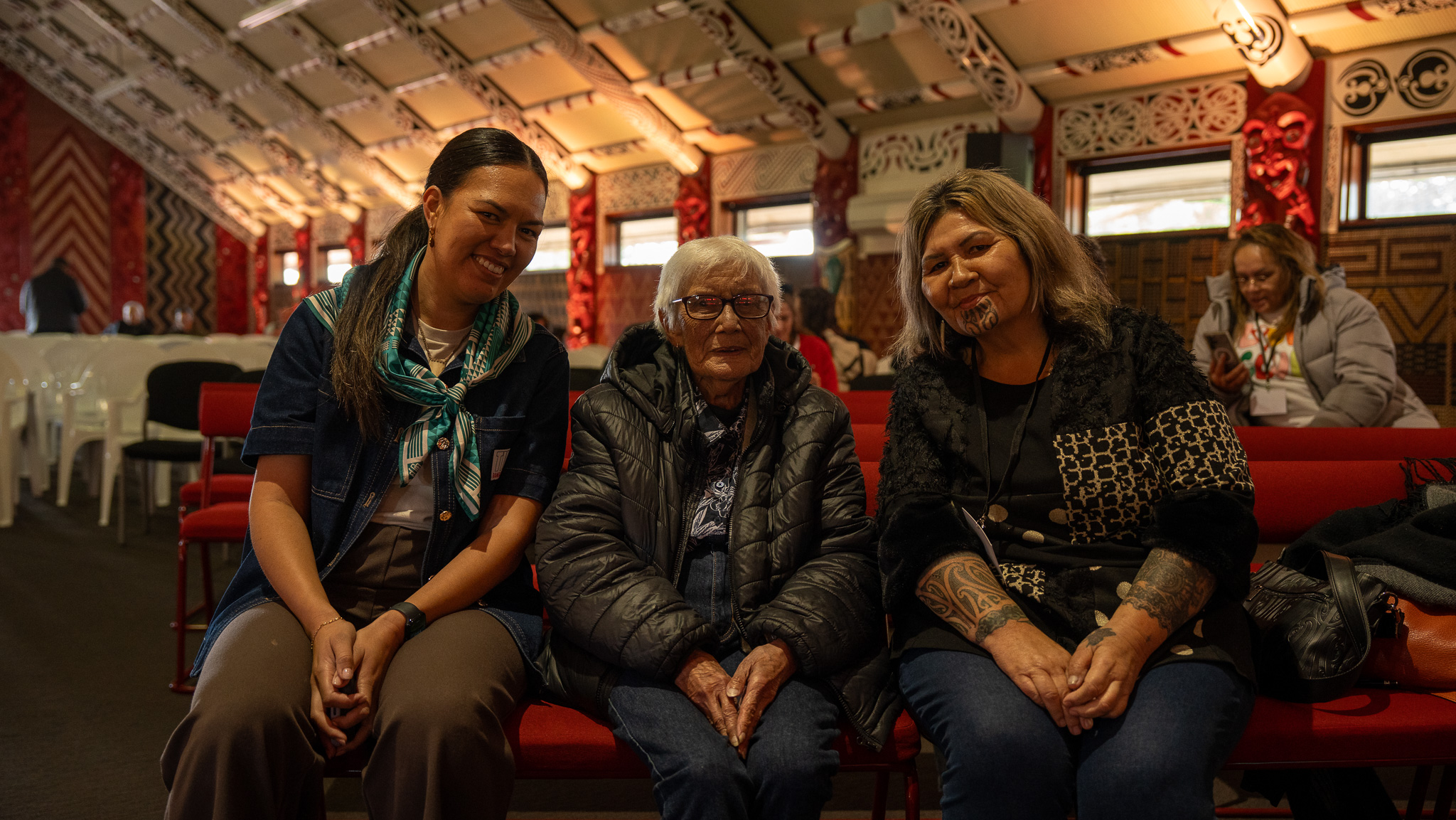
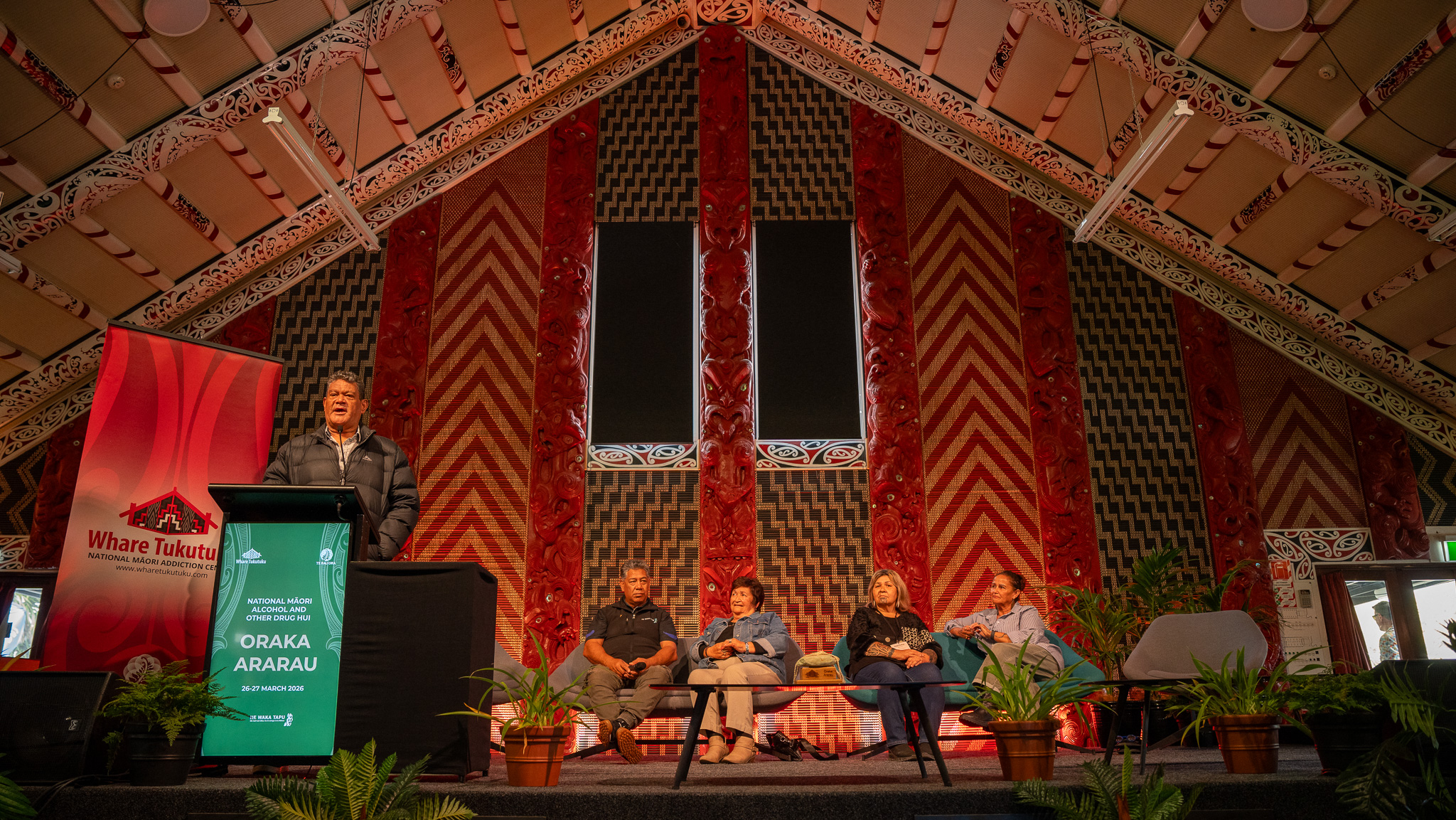
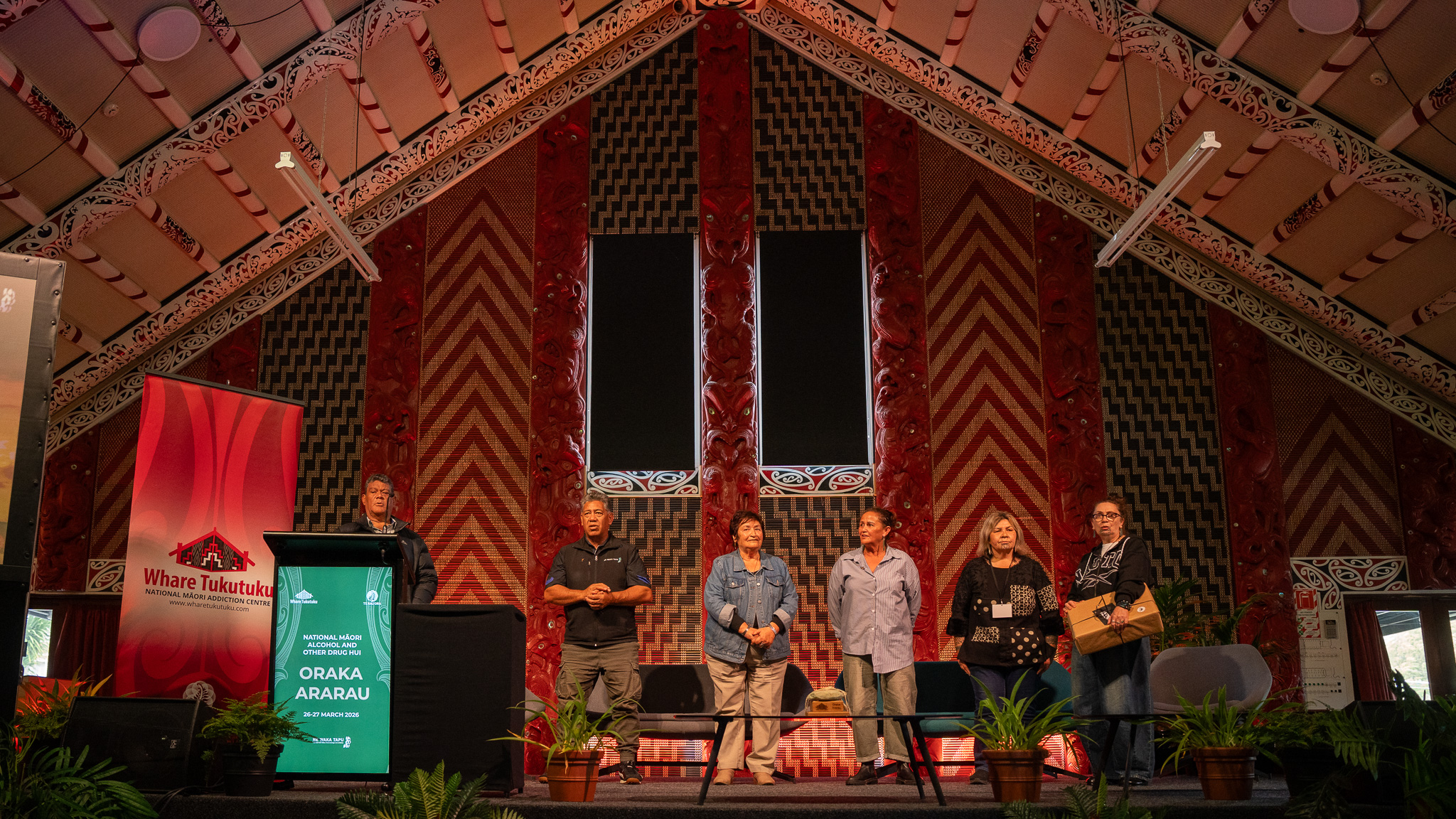
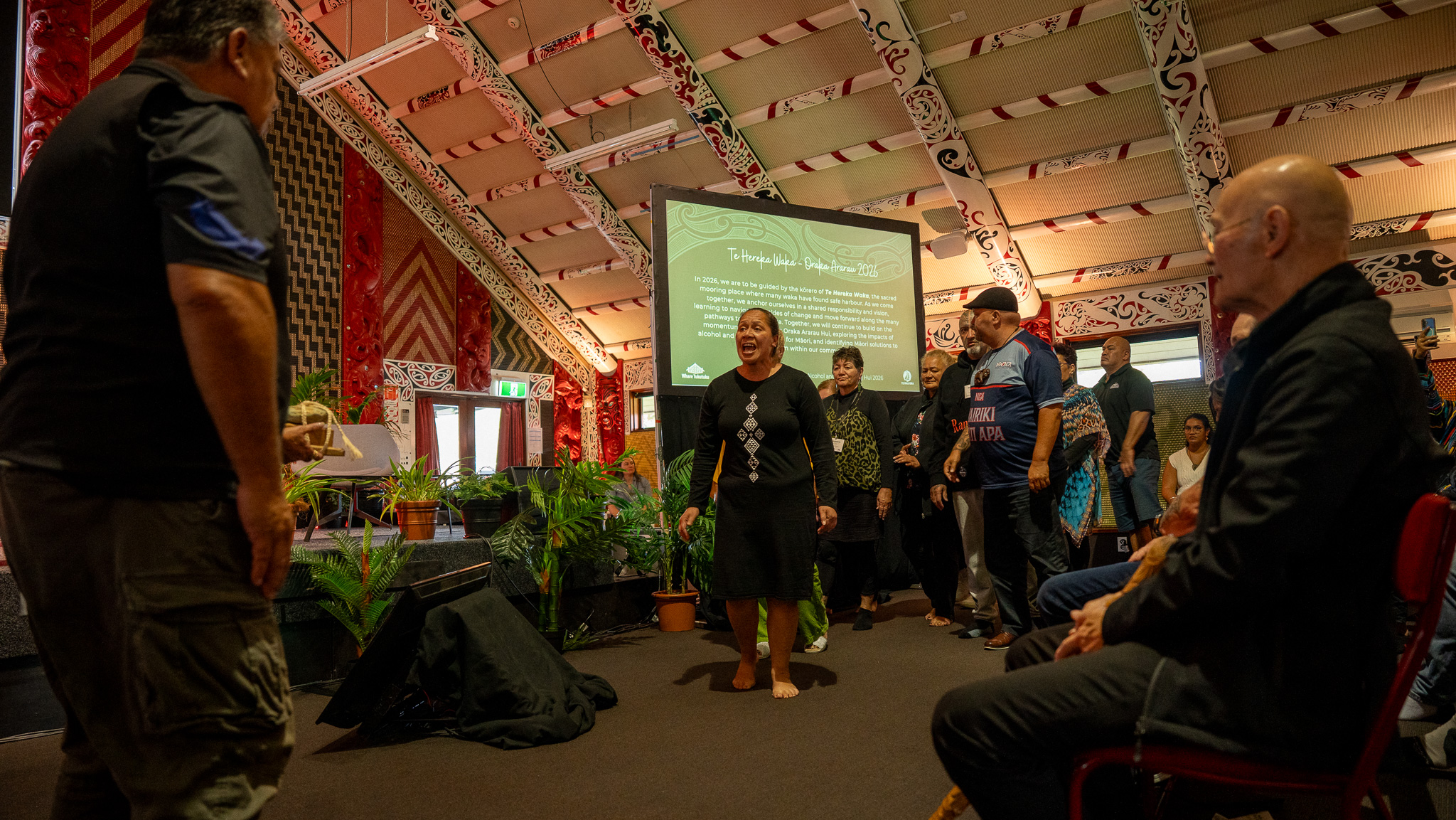
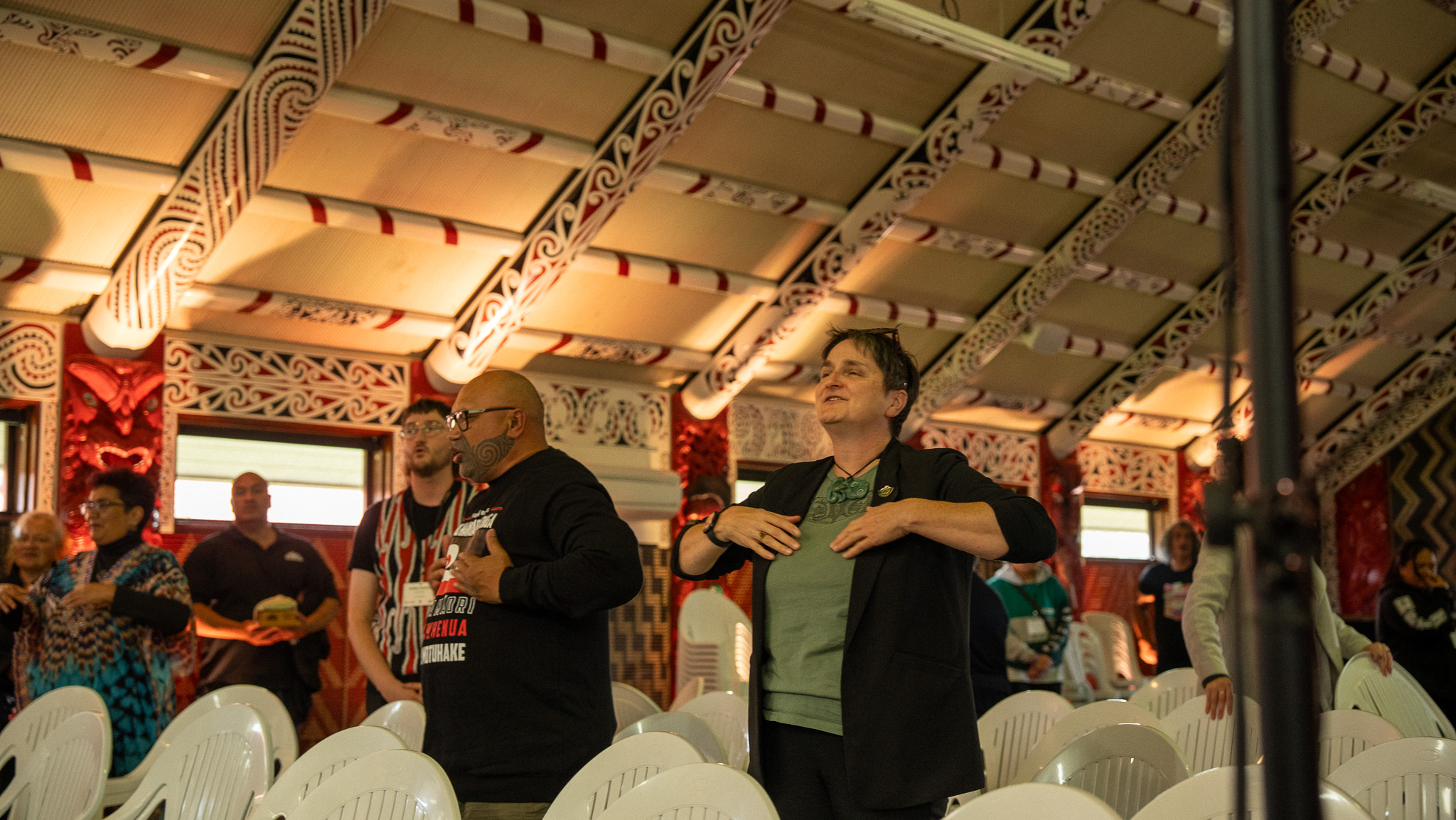
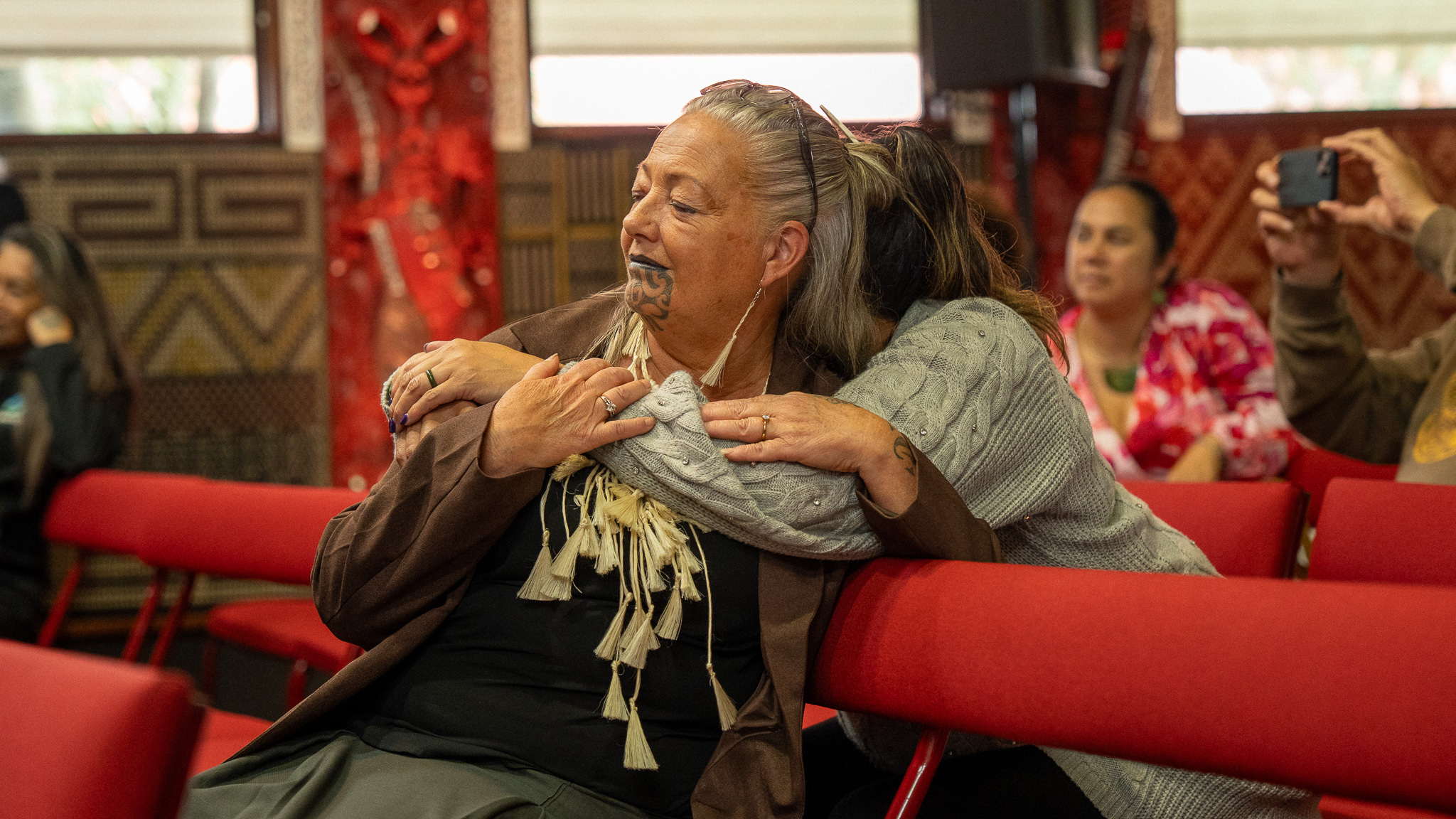
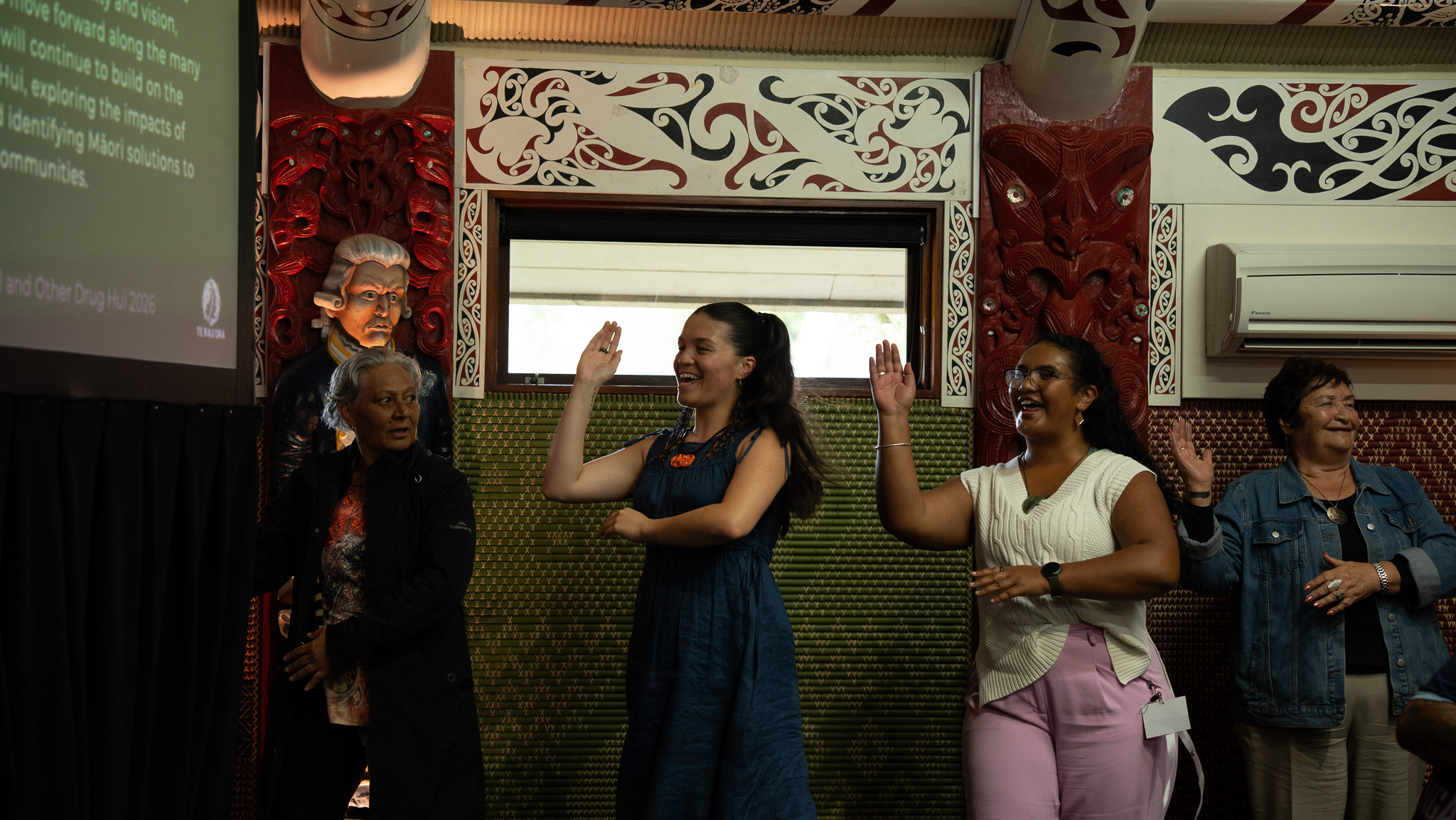
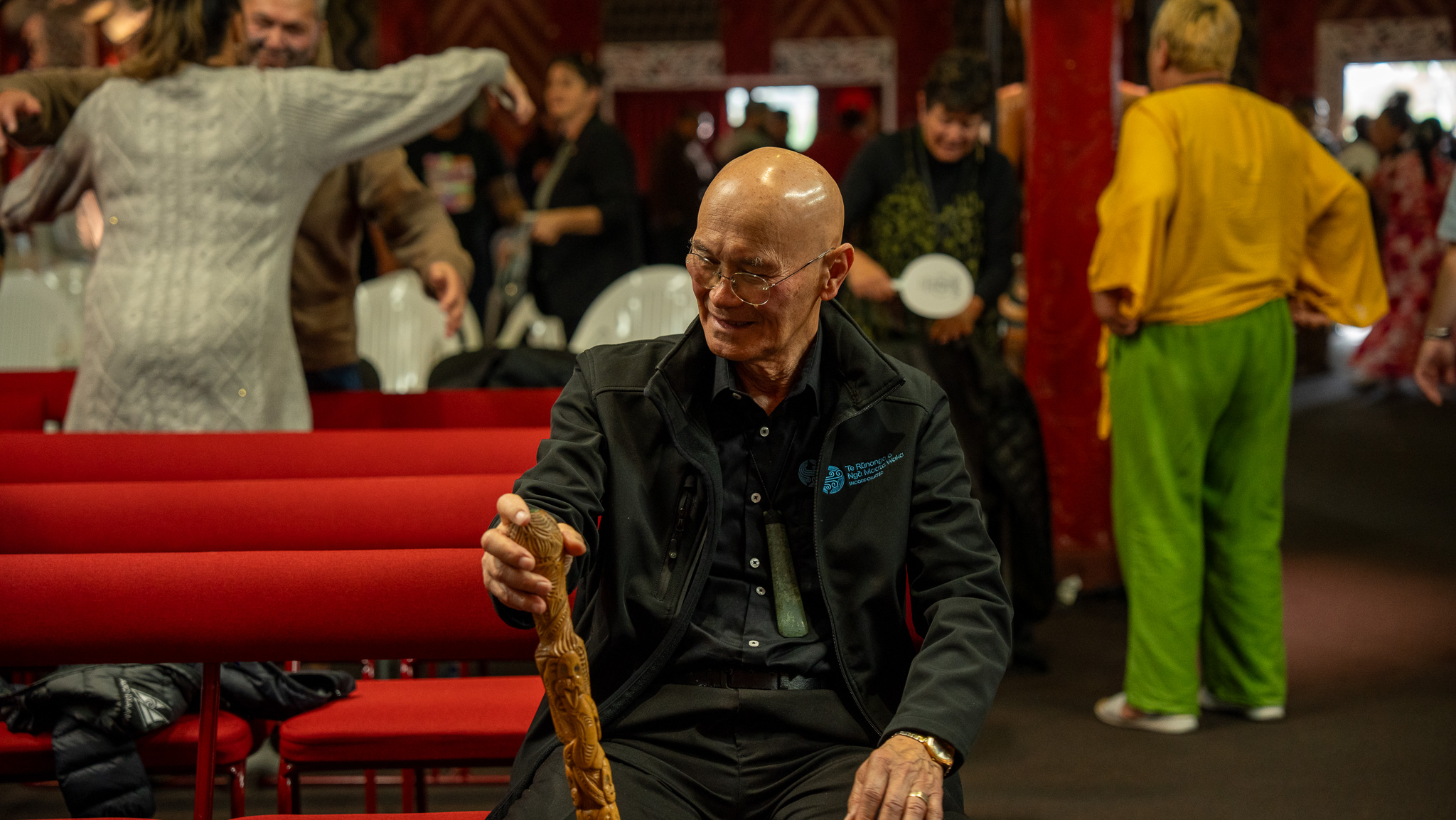
Kaimahi and whānau Māori from across Aotearoa came together at Ngā Hau e Whā Marae in Ōtautahi on 26 and 27 March for Oraka Ararau 2026, the National Māori Alcohol and Other Drug Hui. Hosted by He Waka Tapu, Whare Tukutuku, and Te Rau Ora, the gathering marked the first time the hui has been held in Te Waipounamu since its inception in 2022.

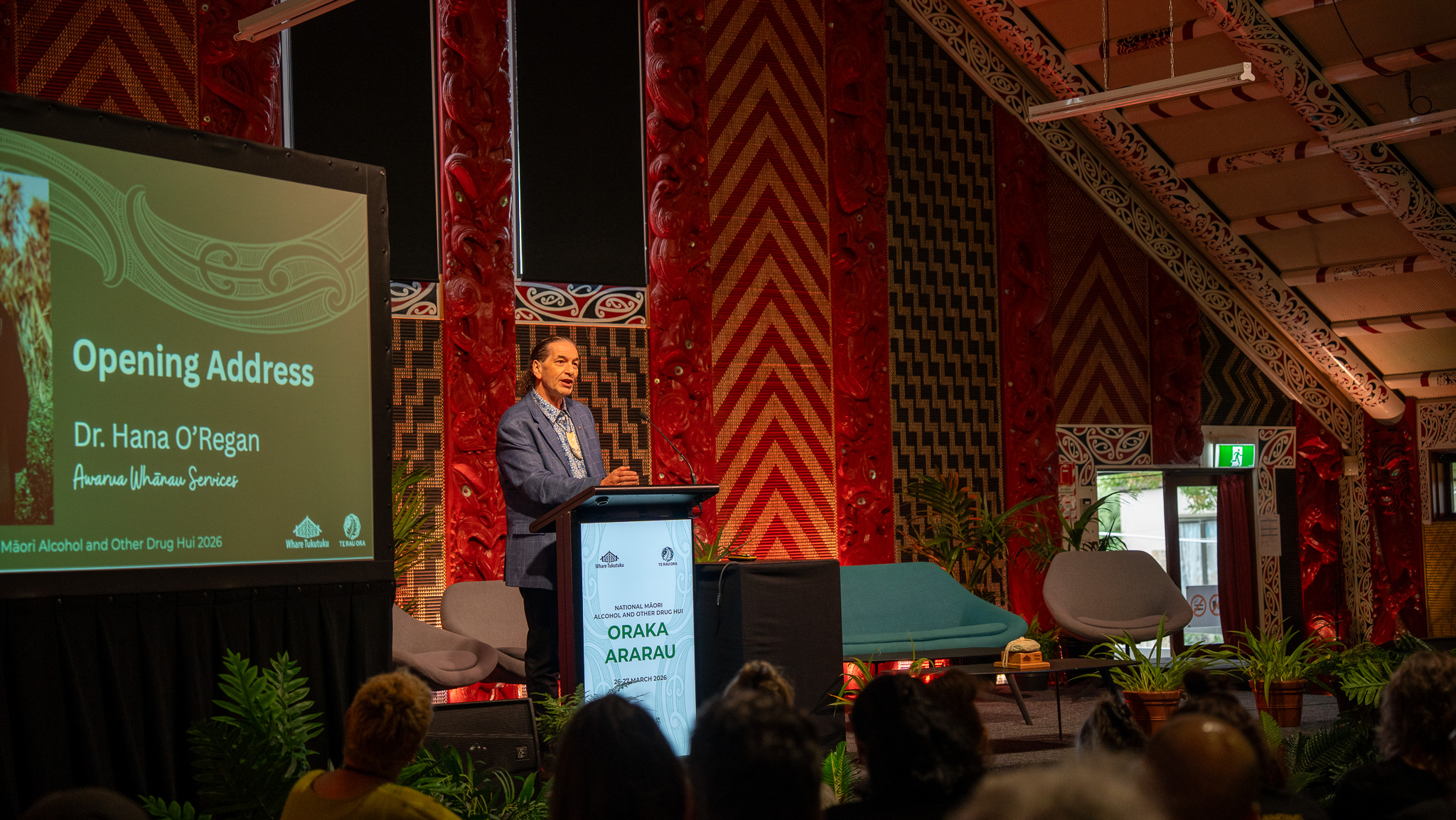
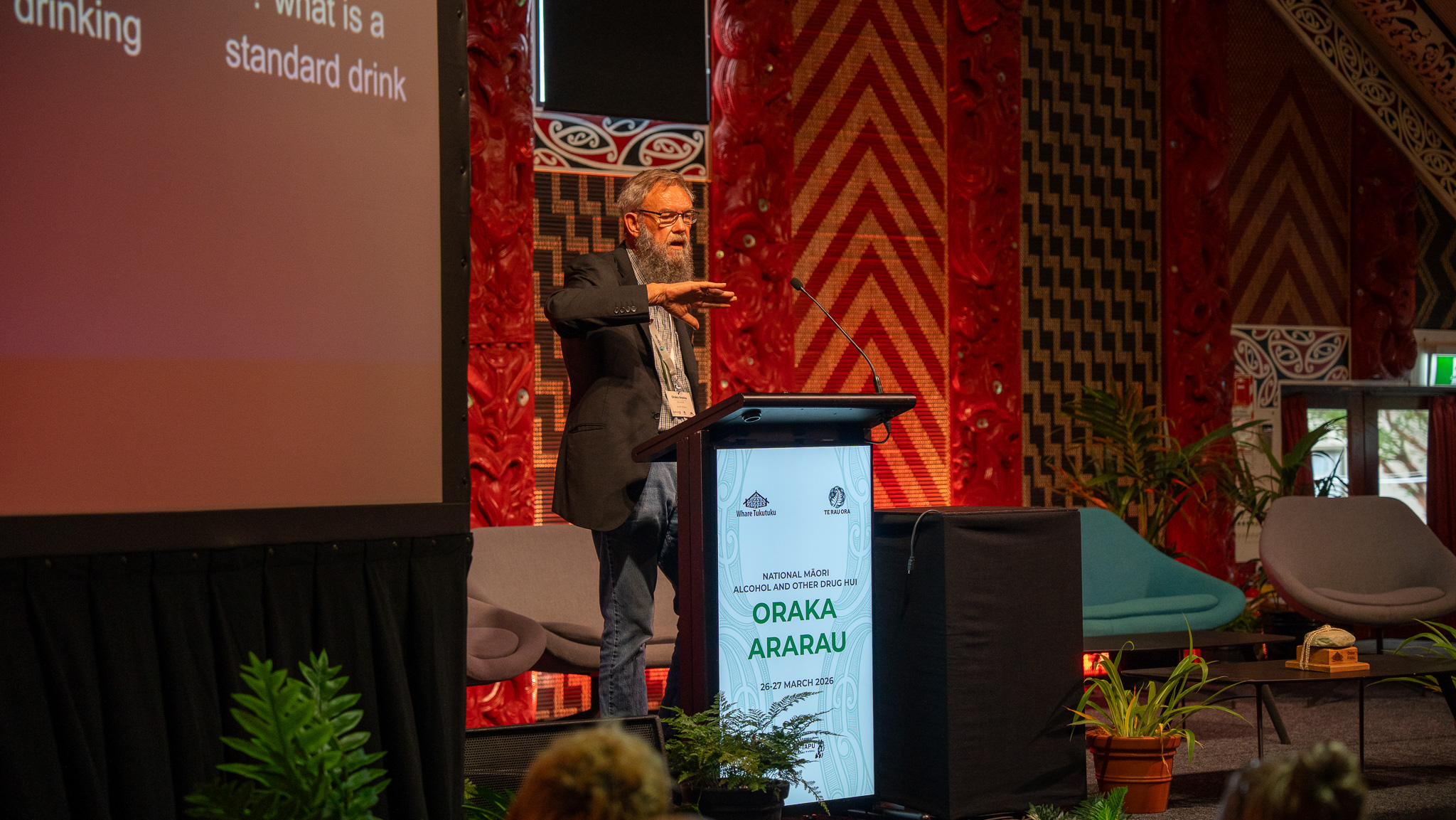
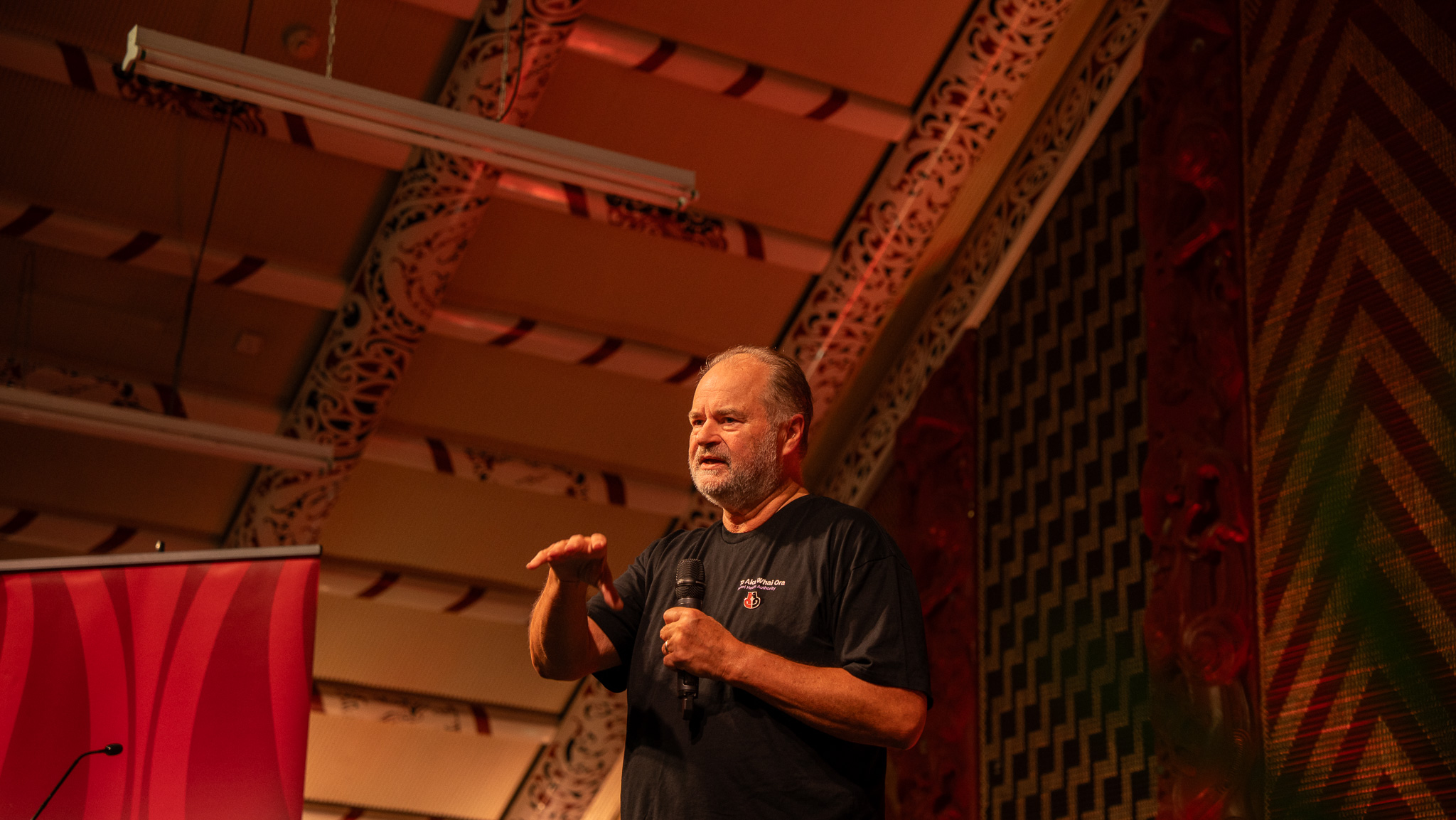
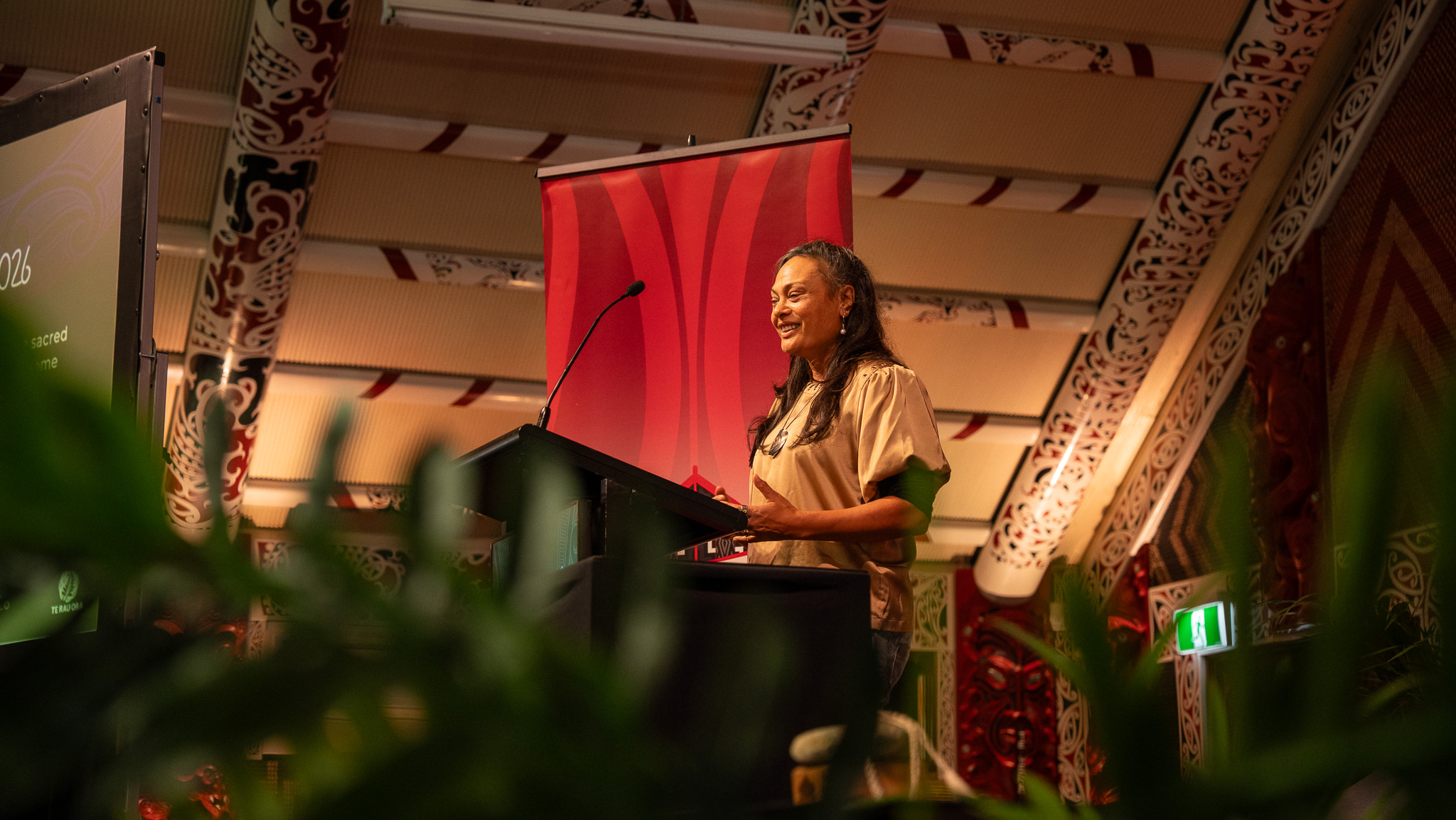
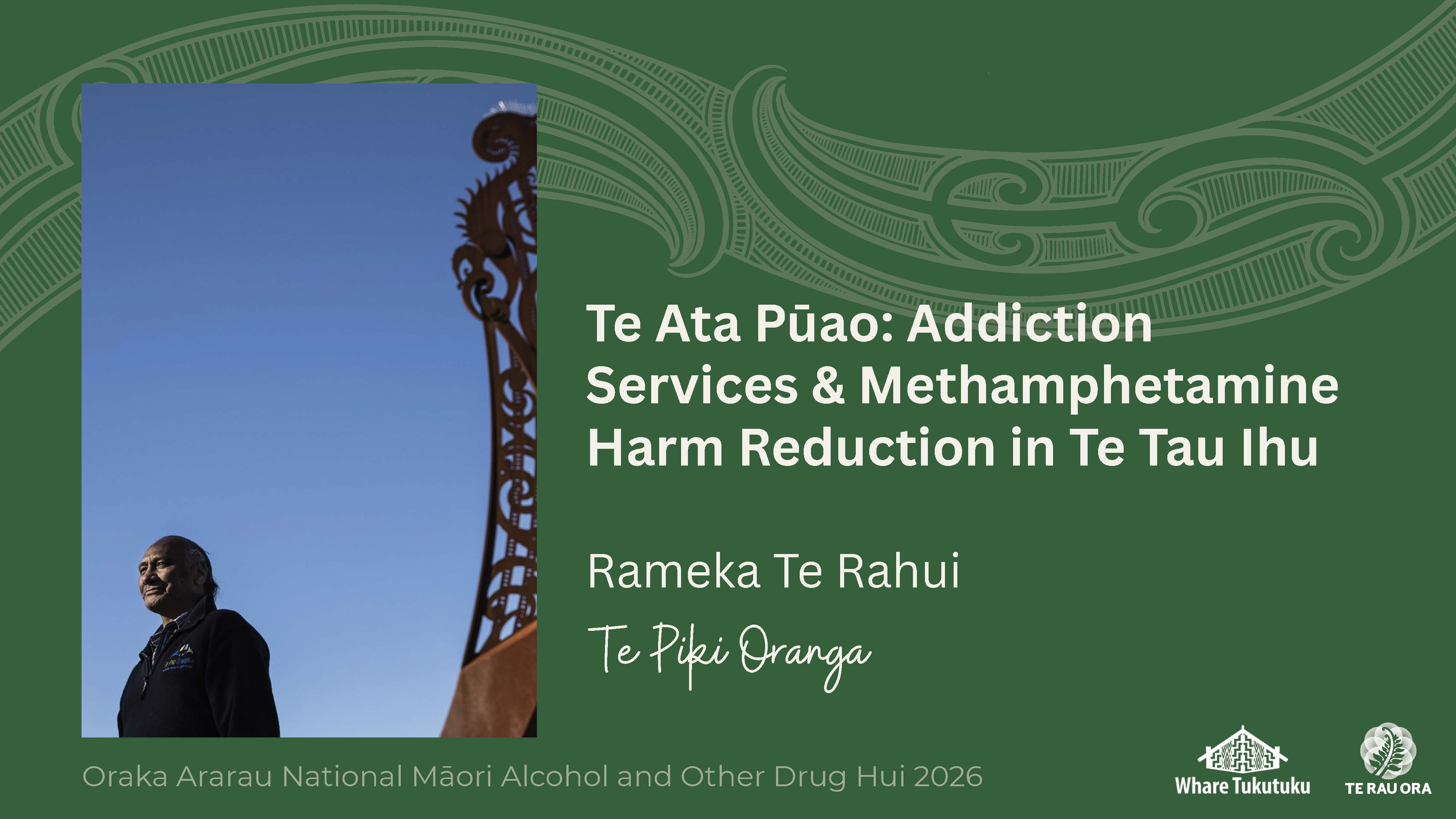
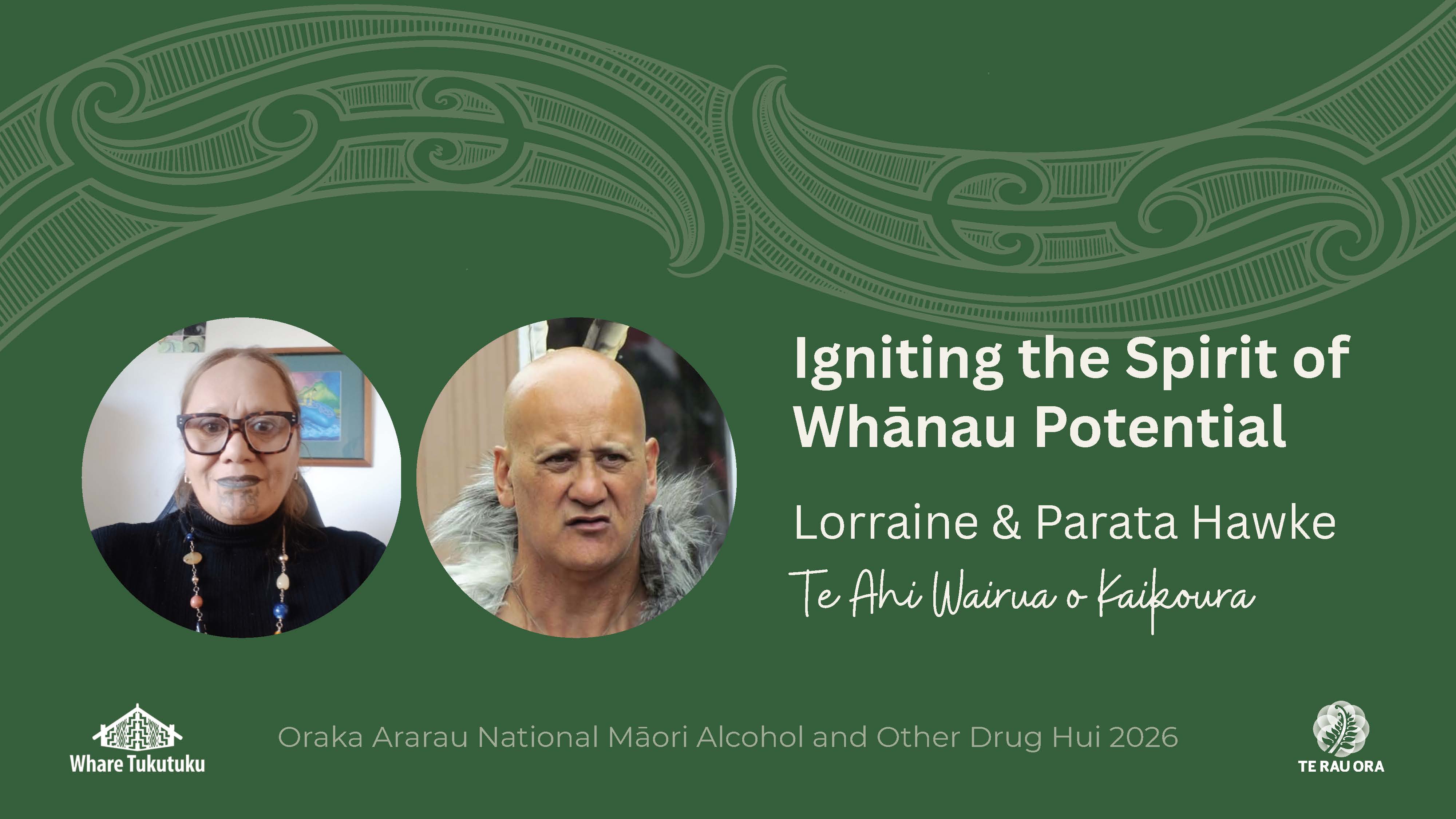
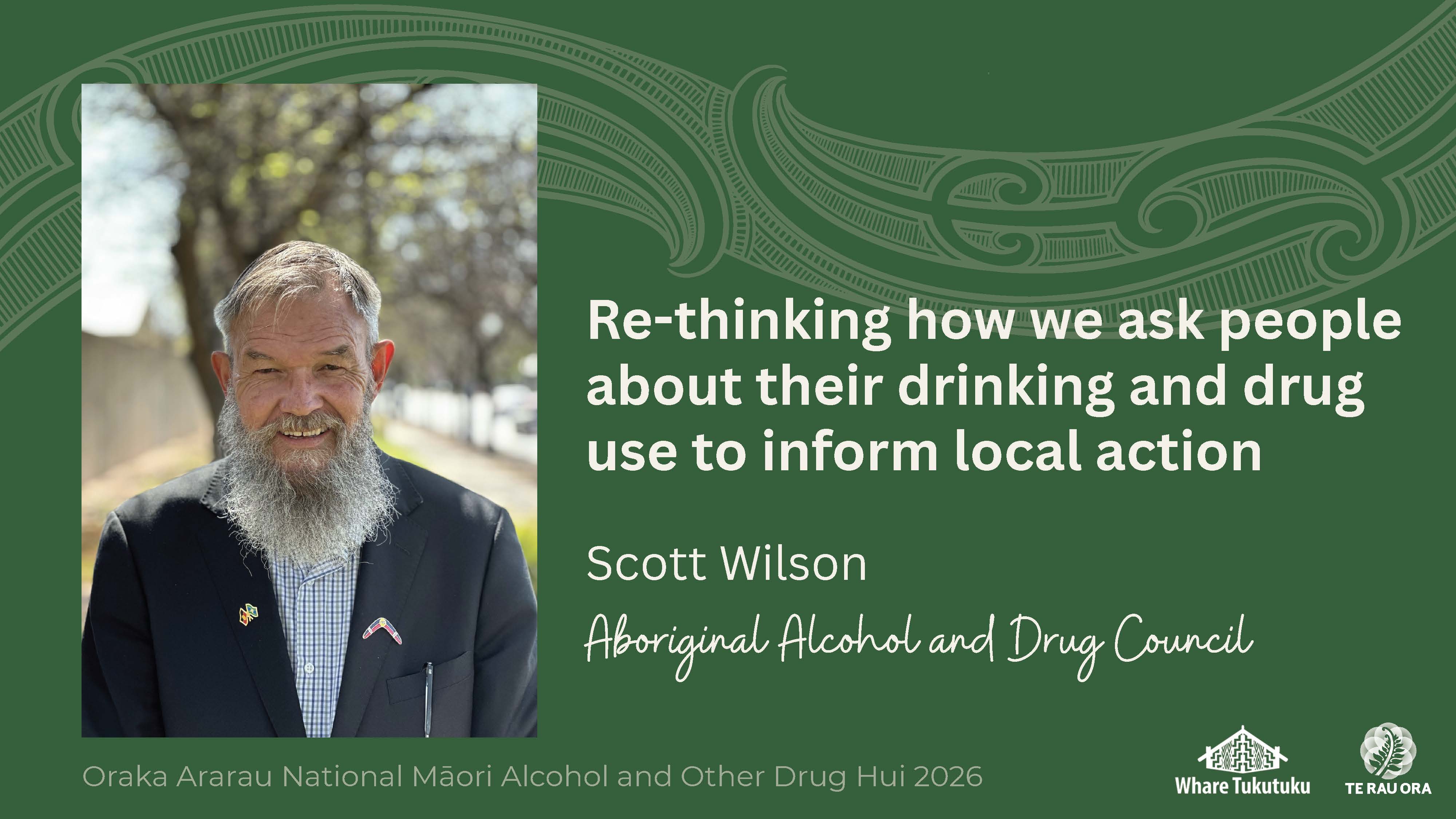
Day one opened with Dr Hana O'Regan, whose address grounded the room in identity and purpose. Scott Wilson, CEO of the Aboriginal Drug and Alcohol Council SA and Adjunct Professor at La Trobe University, followed with a challenge to the way kaimahi ask people about their drinking and drug use and how those conversations can drive real local action. After lunch, Rameka Te Rahui brought the room inside the frontline work of addiction services and methamphetamine harm reduction in Te Tau Ihu, before Lorraine Hawke and Parata Hawke took the floor with their session Igniting the Spirit of Whānau Potential, drawing on the mahi happening quietly in Kaikōura.
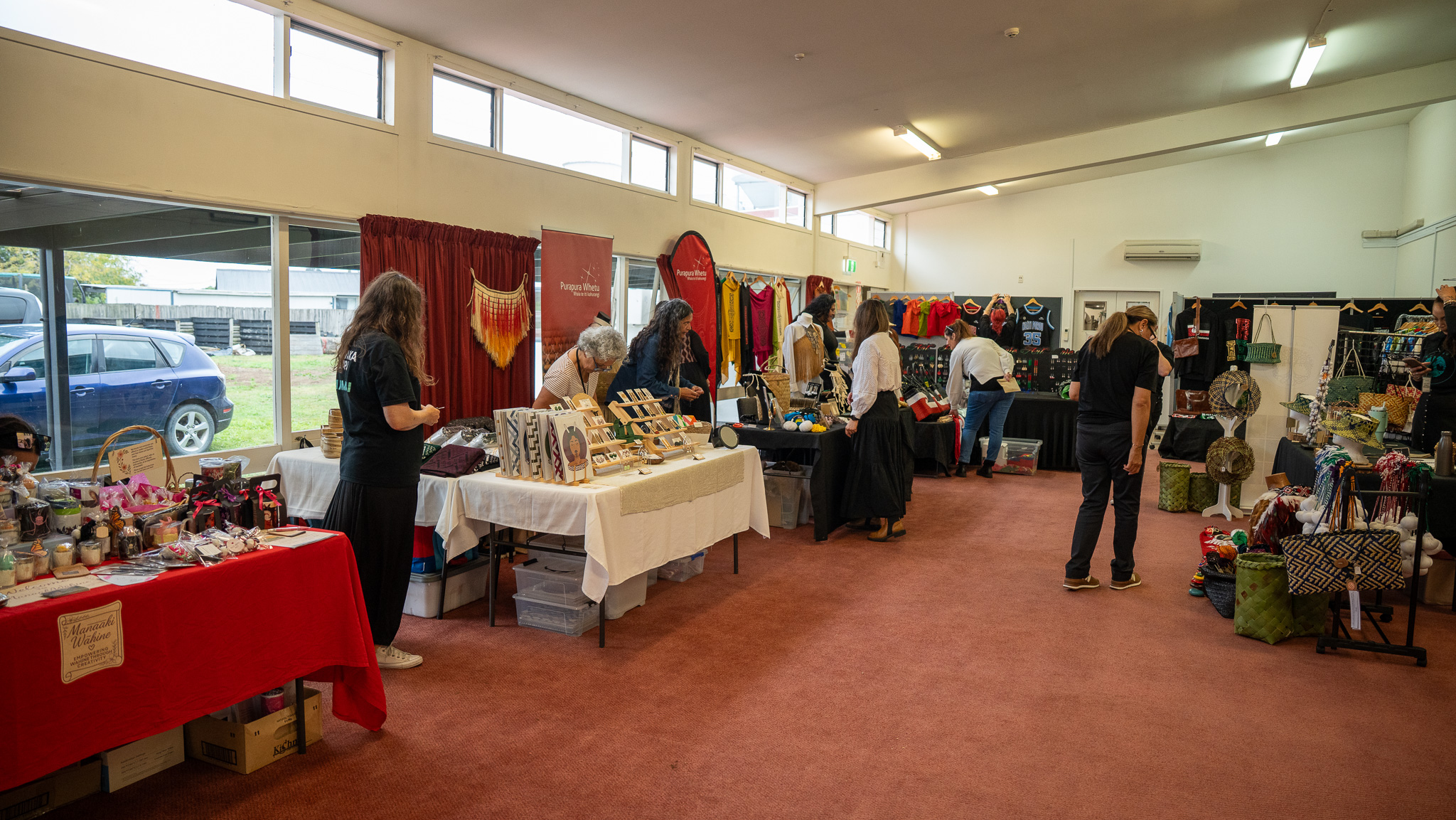
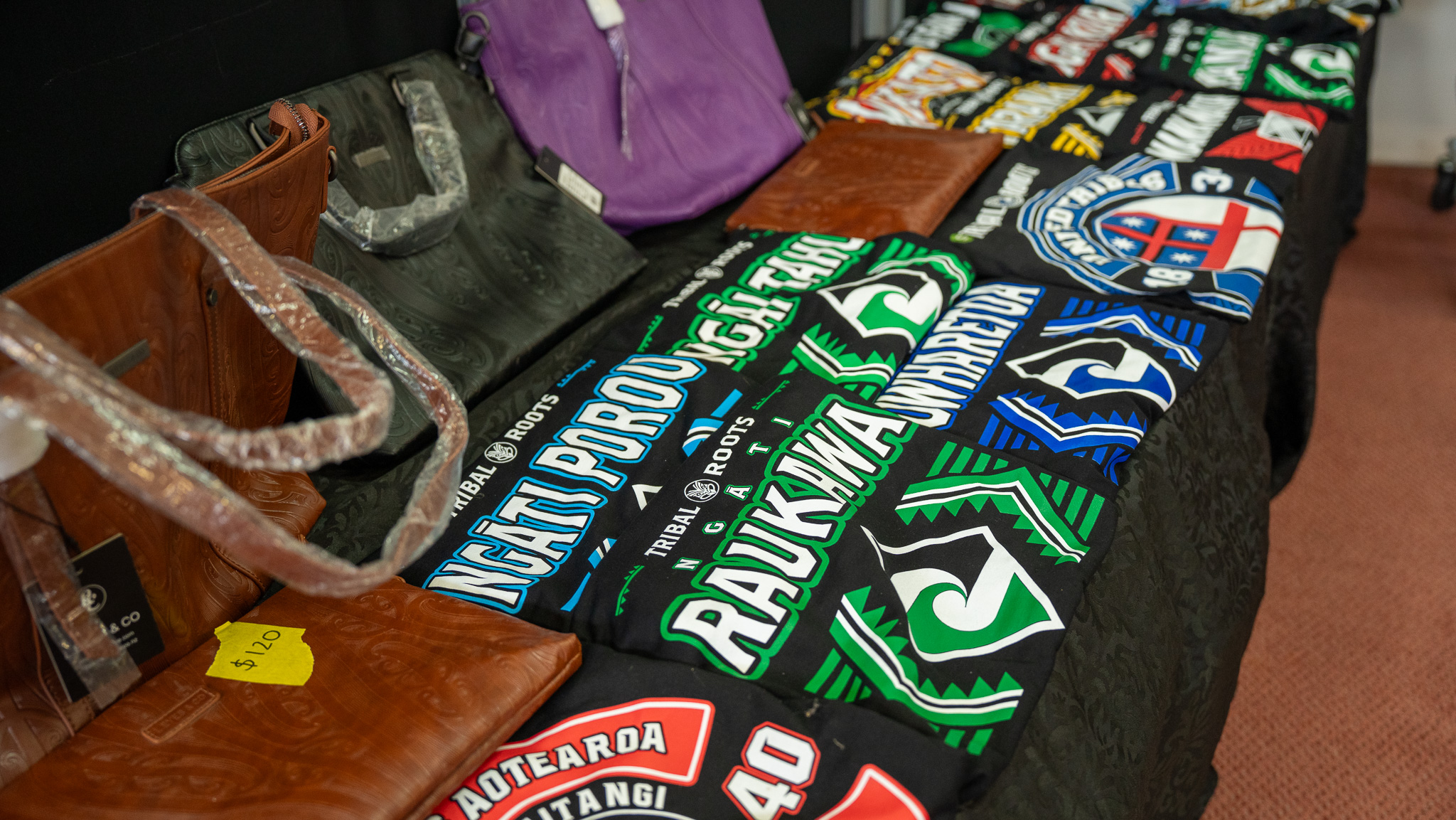
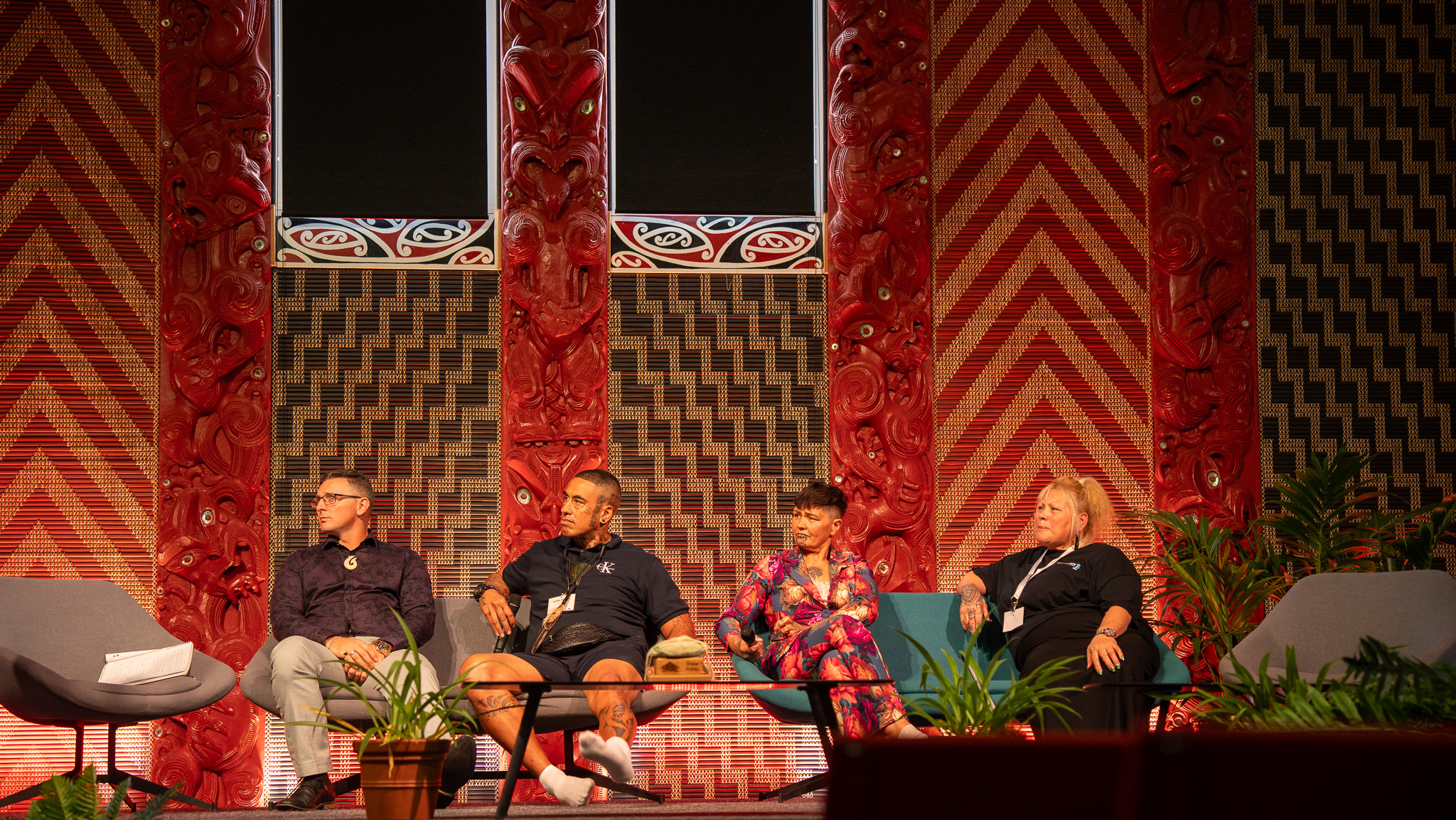
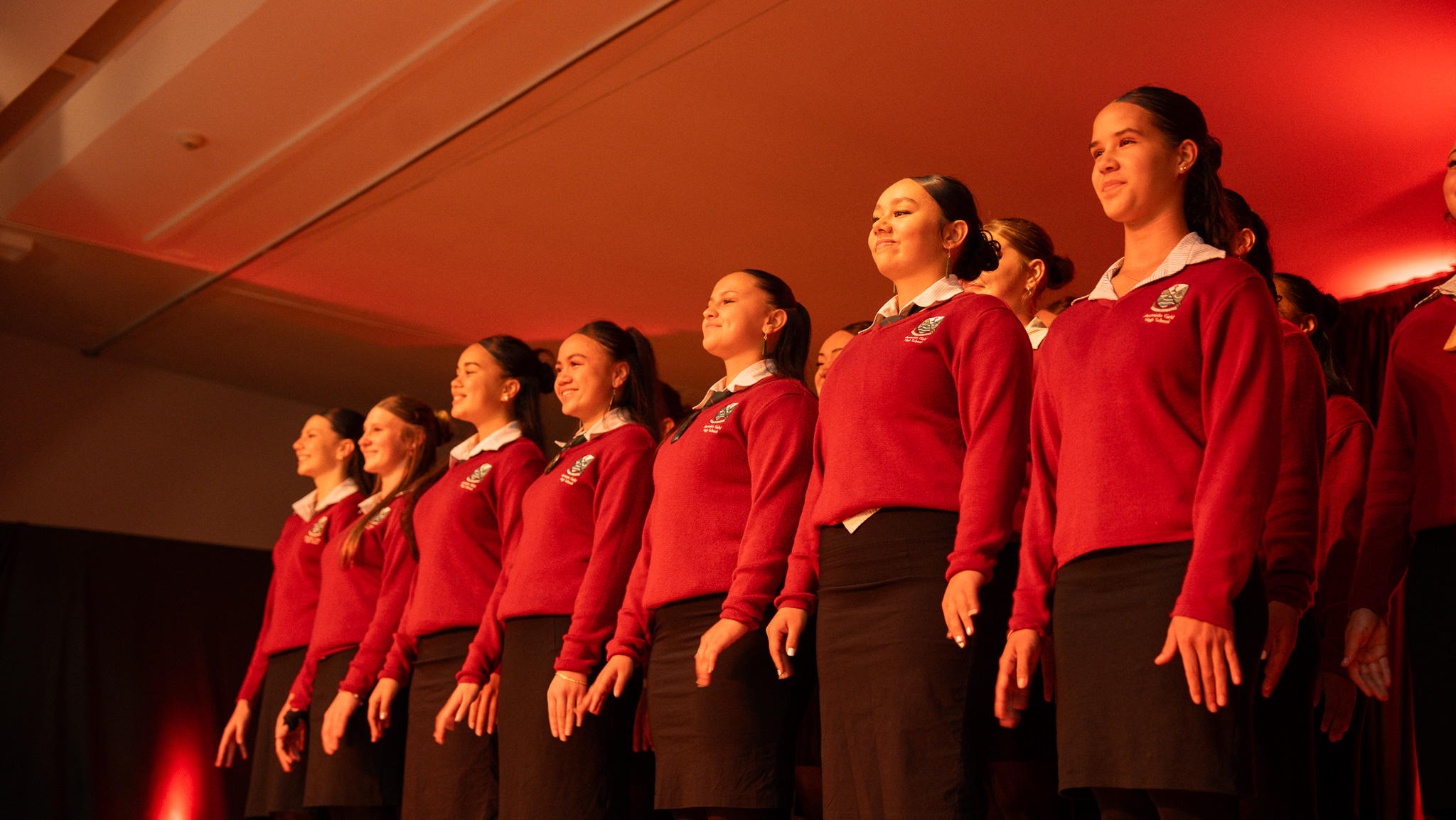
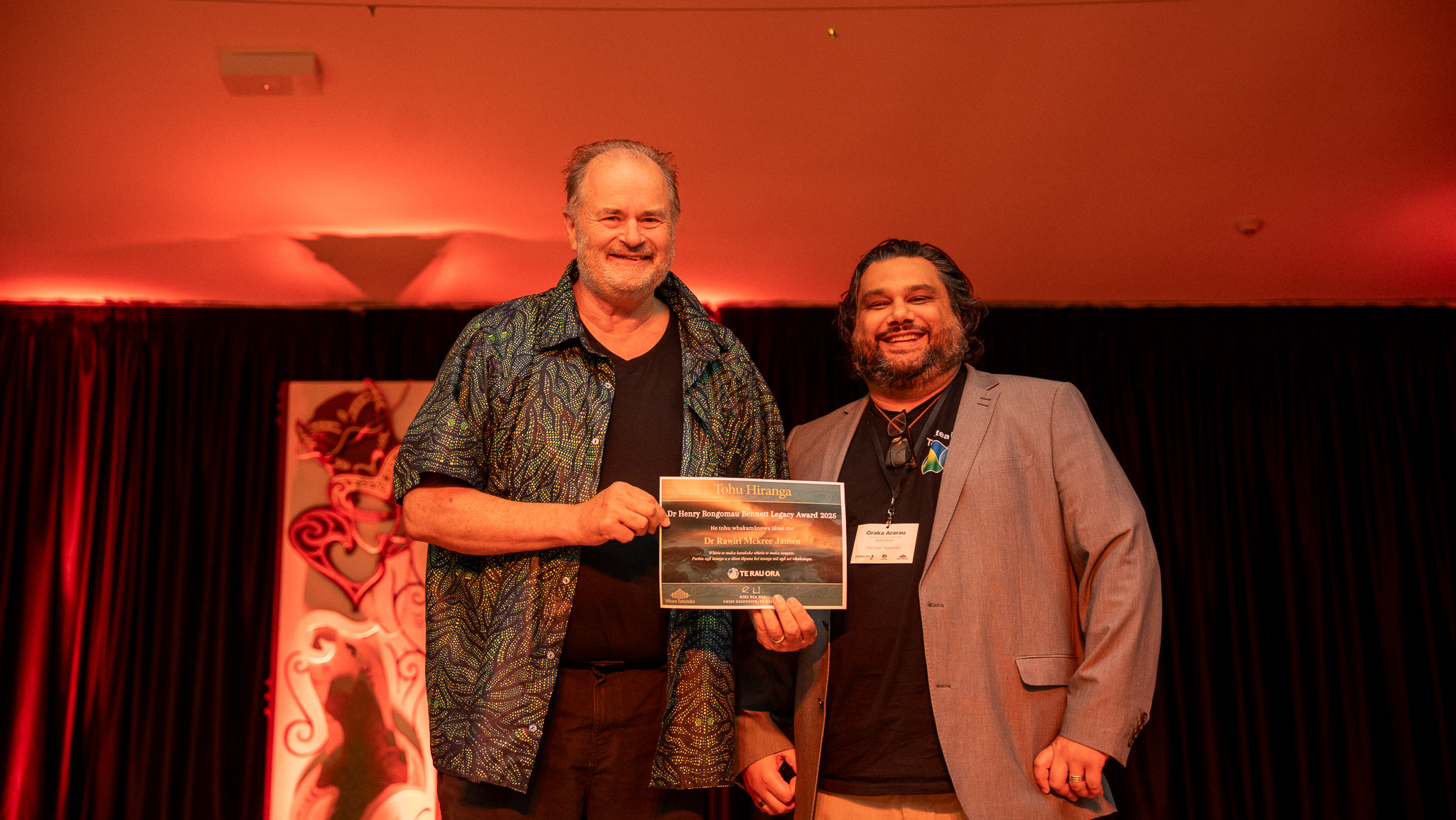
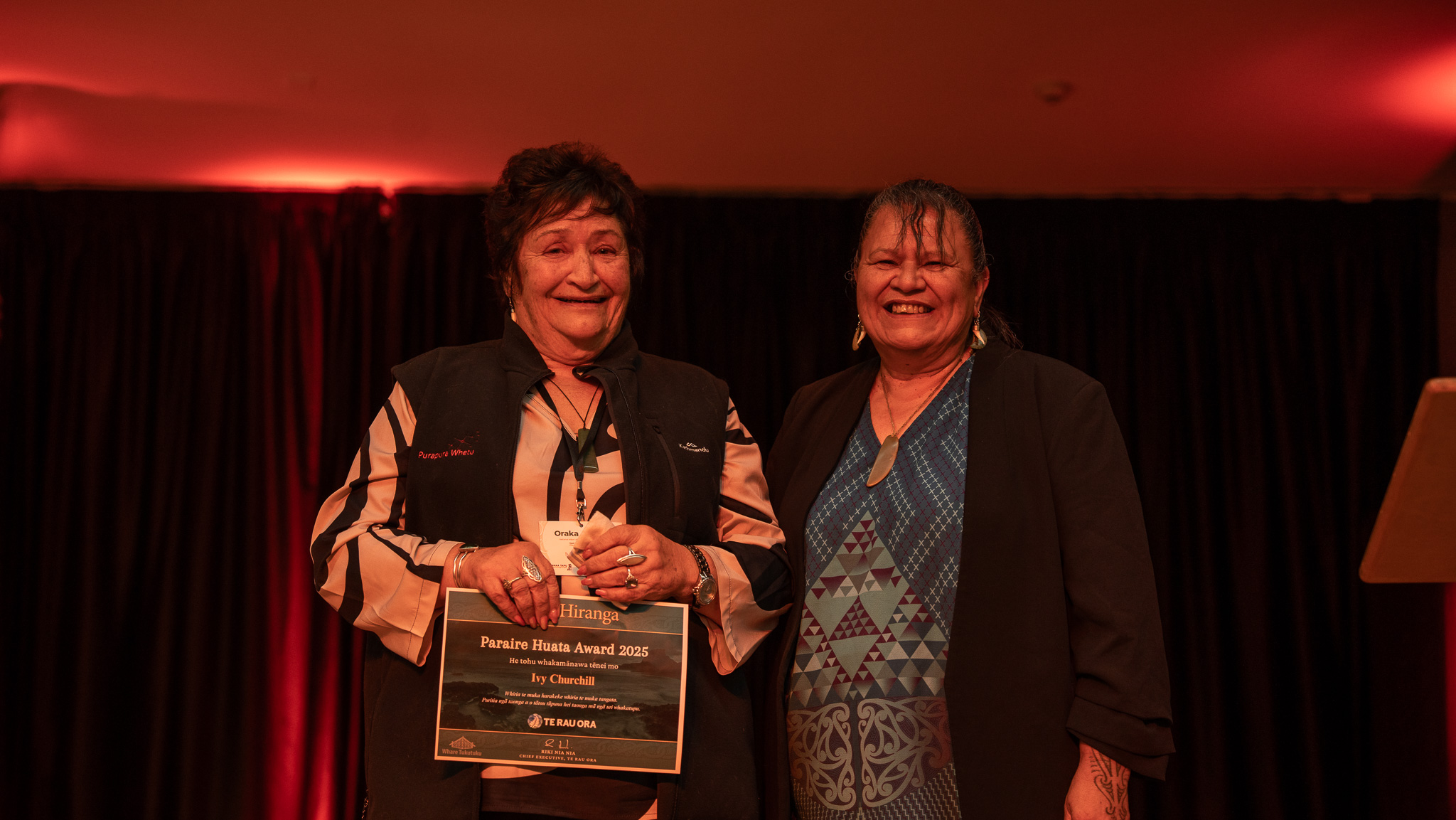
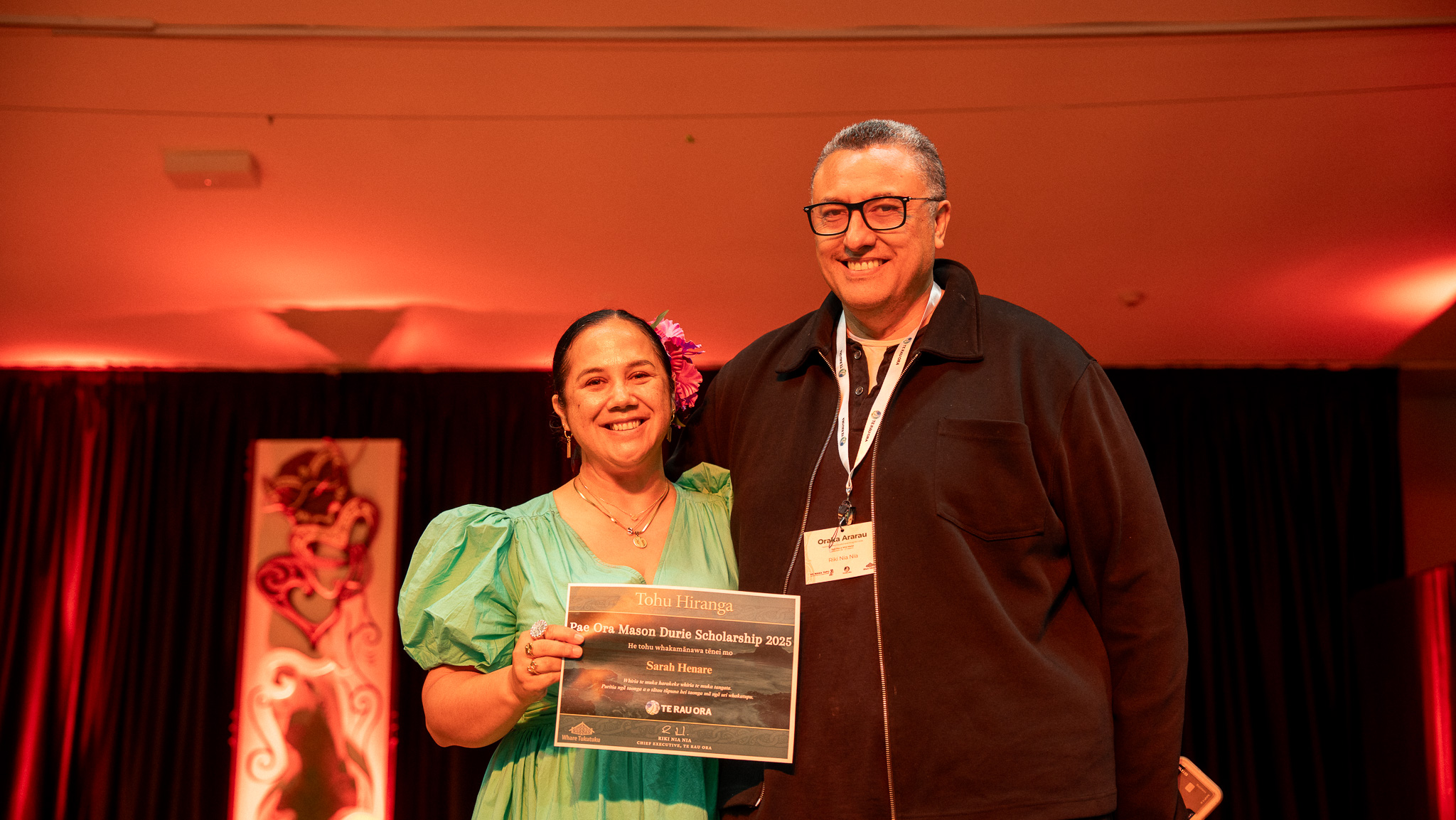
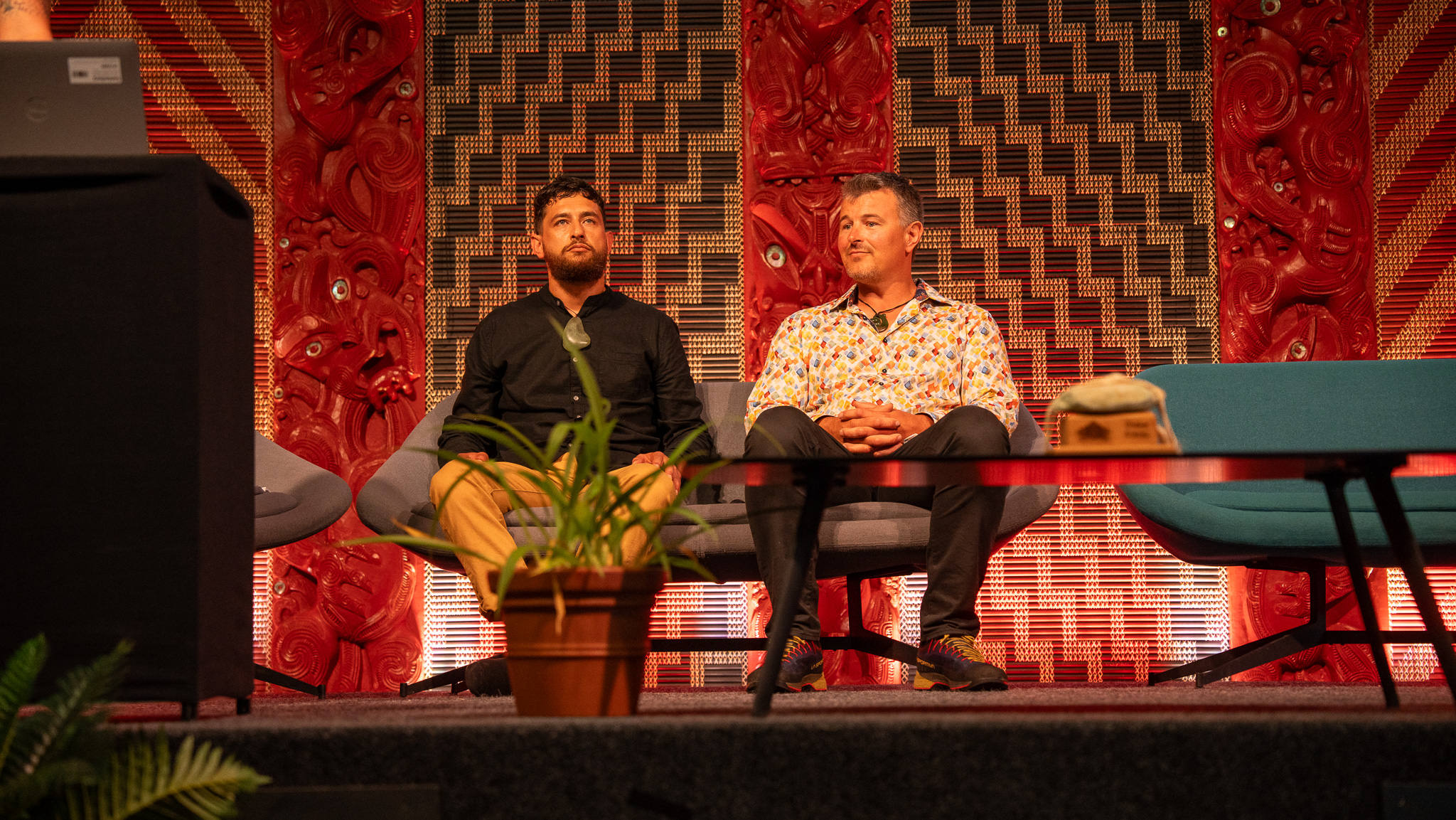
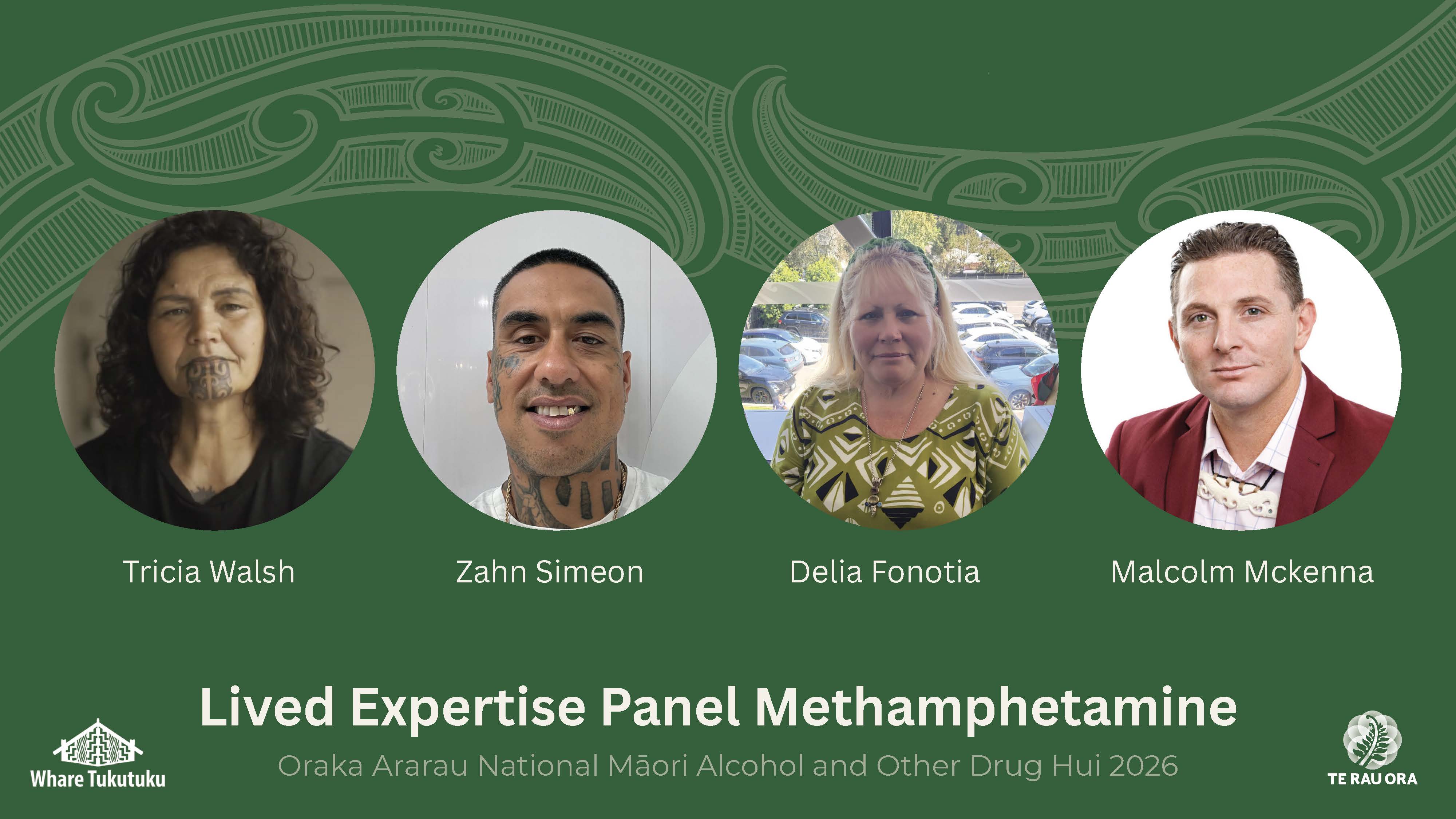
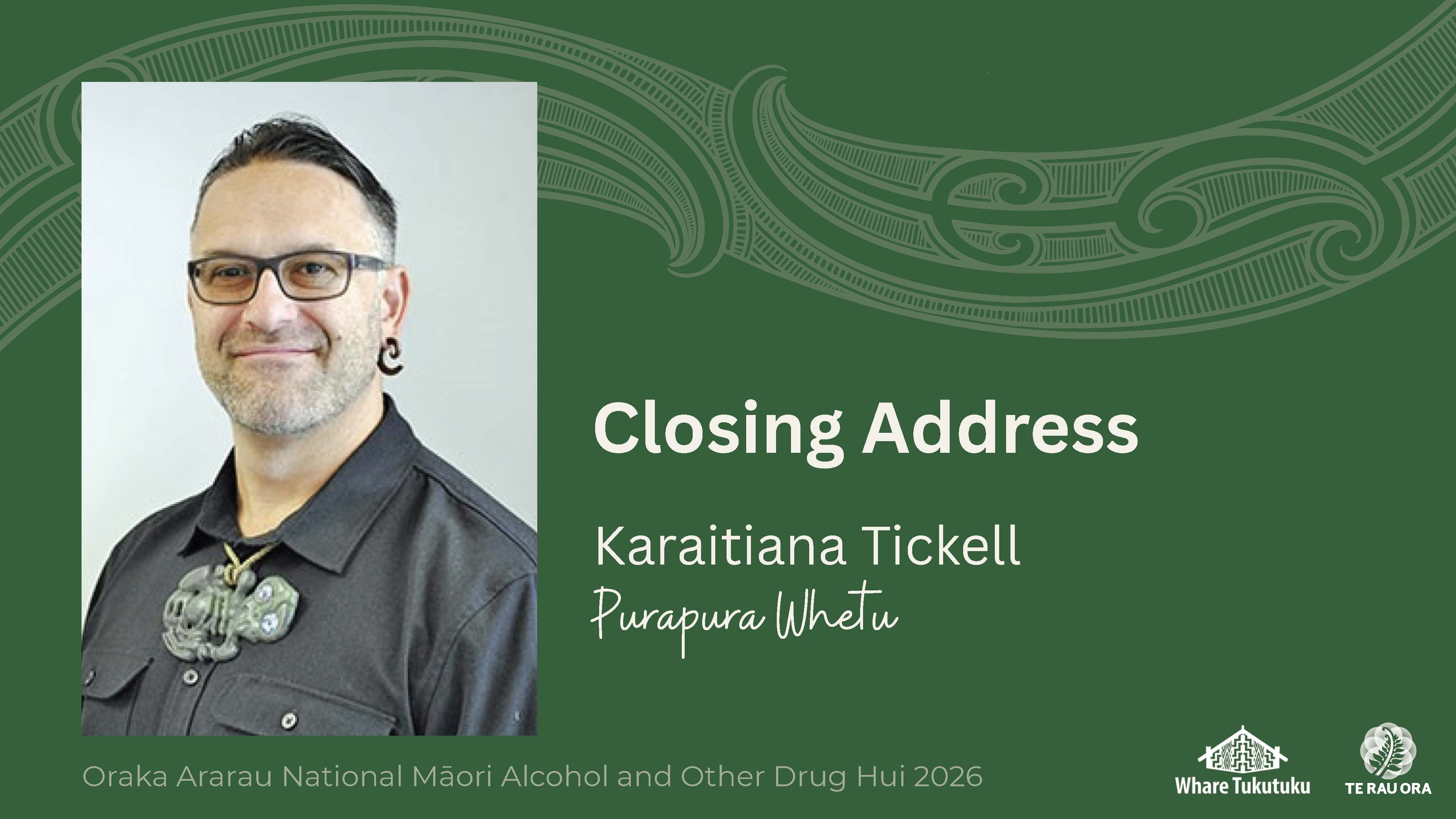
The afternoon's Lived Experience Panel on methamphetamine, featuring Tricia Walsh, Malcolm McKenna, Delia Fonotia, and Zahn Simeon, brought some of the most powerful kōrero of the hui. Their voices reminded the room exactly why this mahi matters. Karaitiana Tickell closed day one with an address that laid out the vision with clarity and conviction, before the evening gave way to a night market buzzing with pakihi Māori. Wai Kaha Pounamu, Irie Art, PIKO BU Kaikōura, Poipoia Ōtautahi, Khylos Kawakawa Boutique, Mako Design, Whiritahi, Manaaki Wahine, and Ngākau were among those supporting the kaupapa. Performances from Avonside Girls' Kapa Haka and Te Pā o Rāikaihautū filled the whare with pride, and the He Tohu Hiranga awards acknowledged some of the standout individuals and services doing this work every day.
"Held under the theme Te Hereka Waka, the sacred mooring place, the two days brought practitioners, clinicians, researchers, community workers, and people with lived expertise under one roof to confront the escalating toll of methamphetamine and other drug harm on whānau Māori."
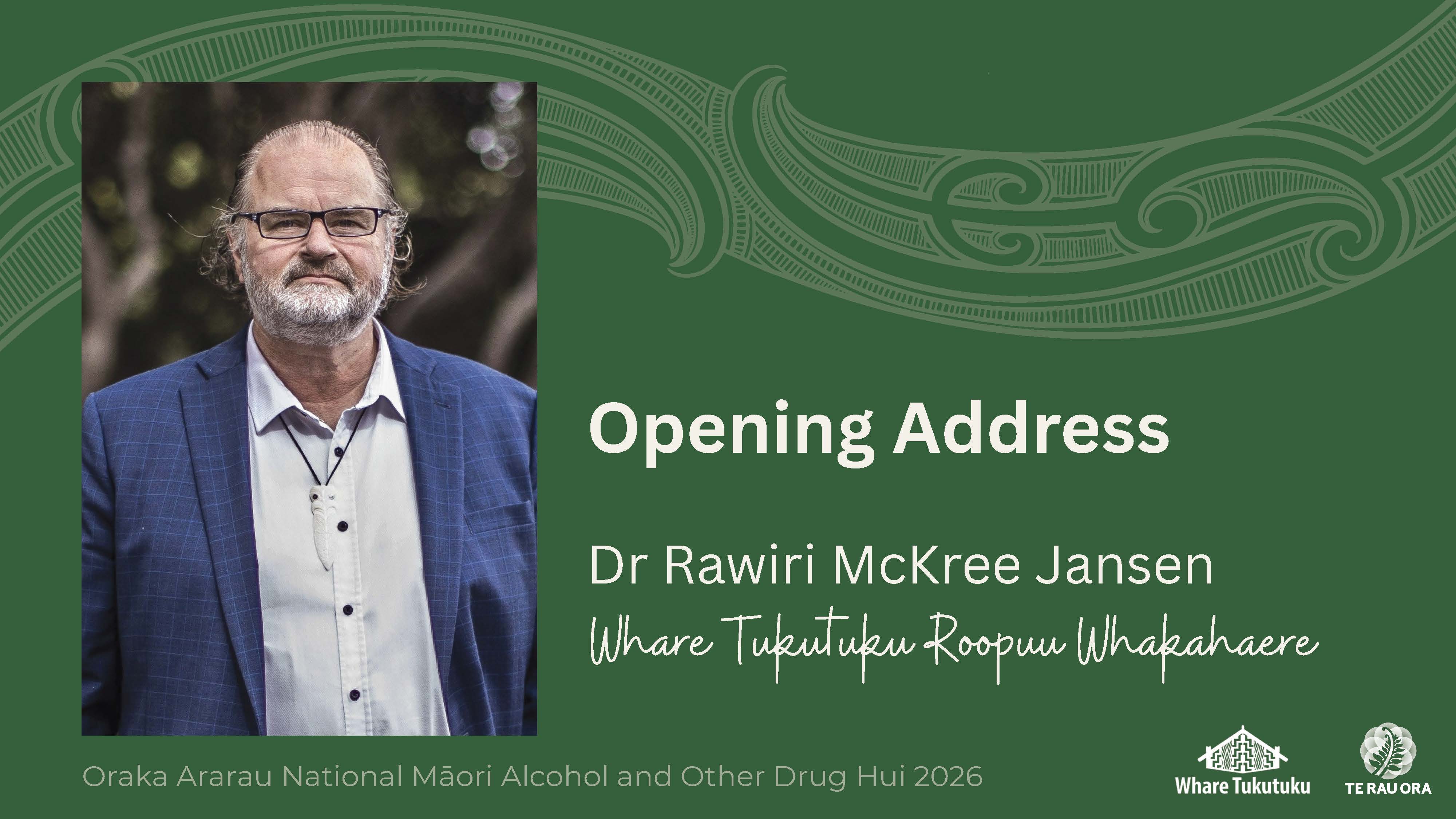
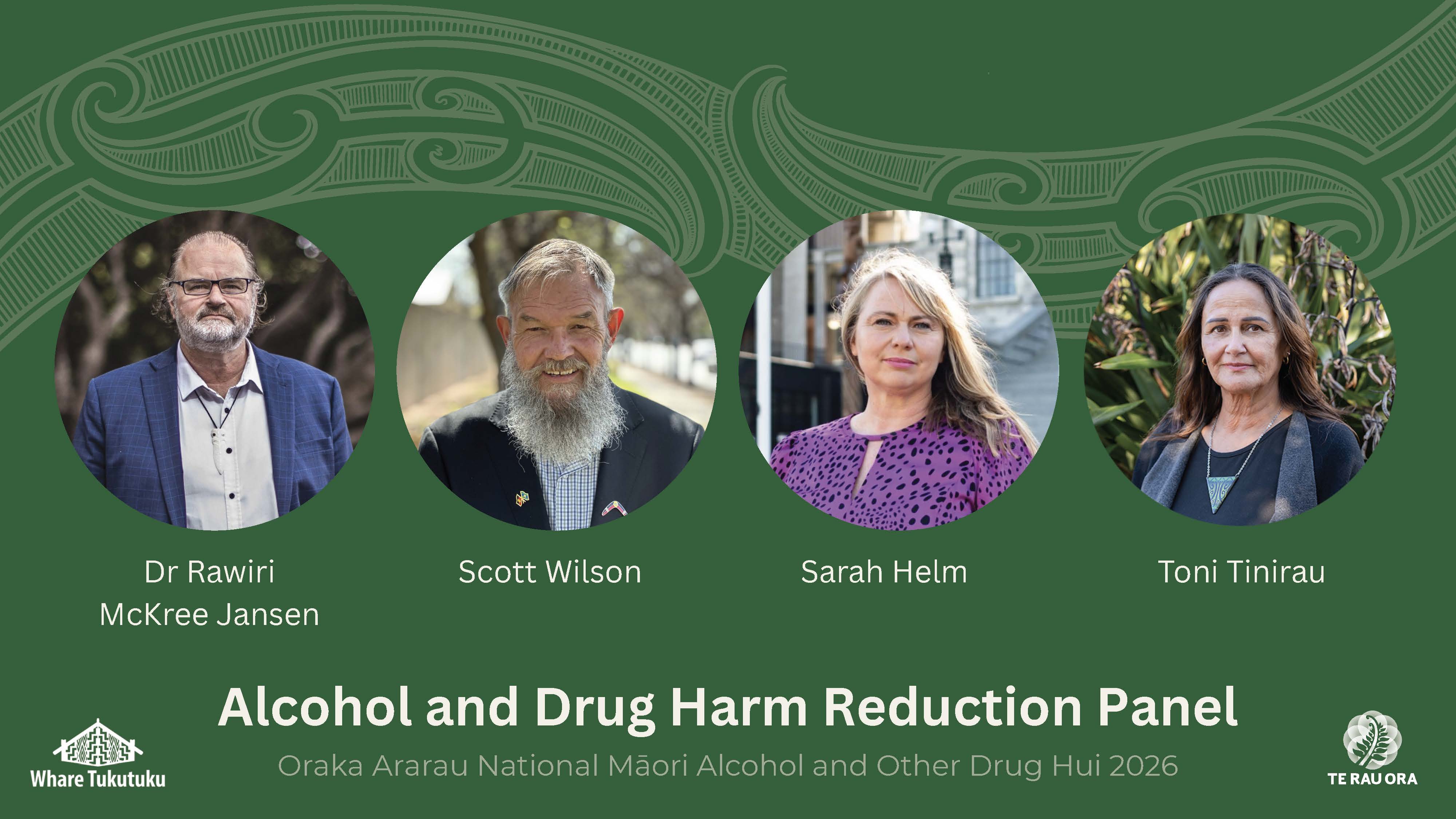
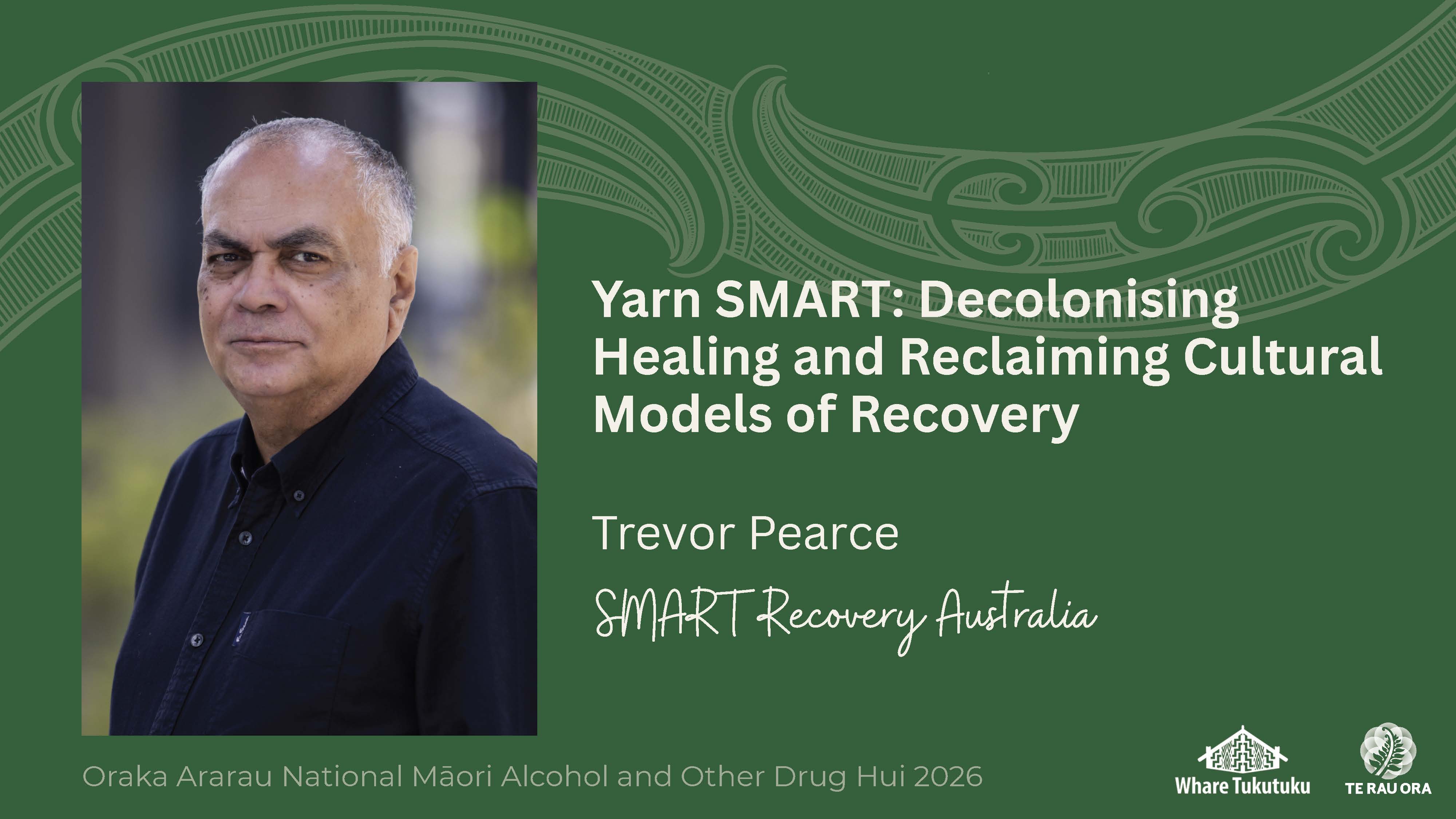
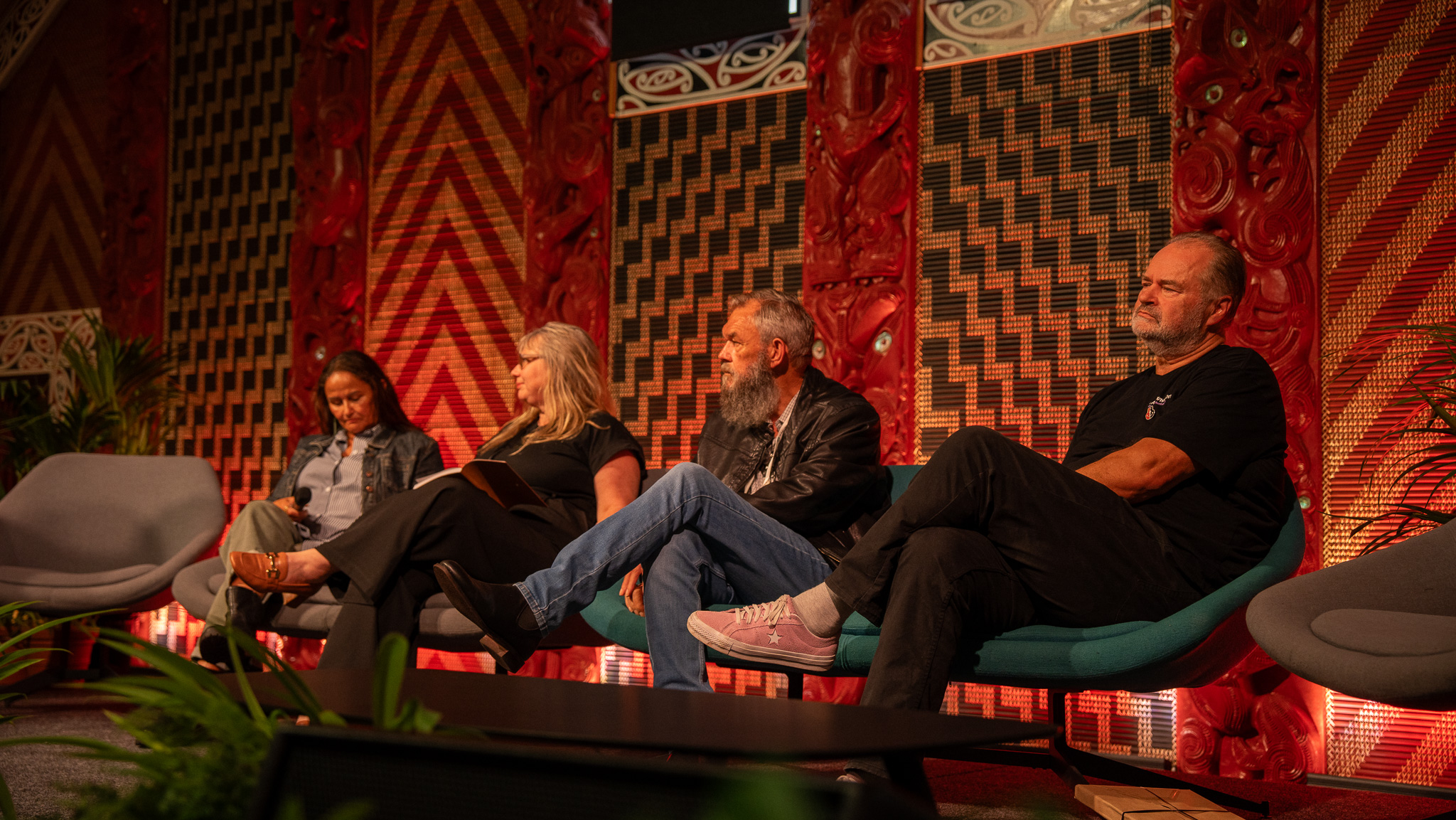
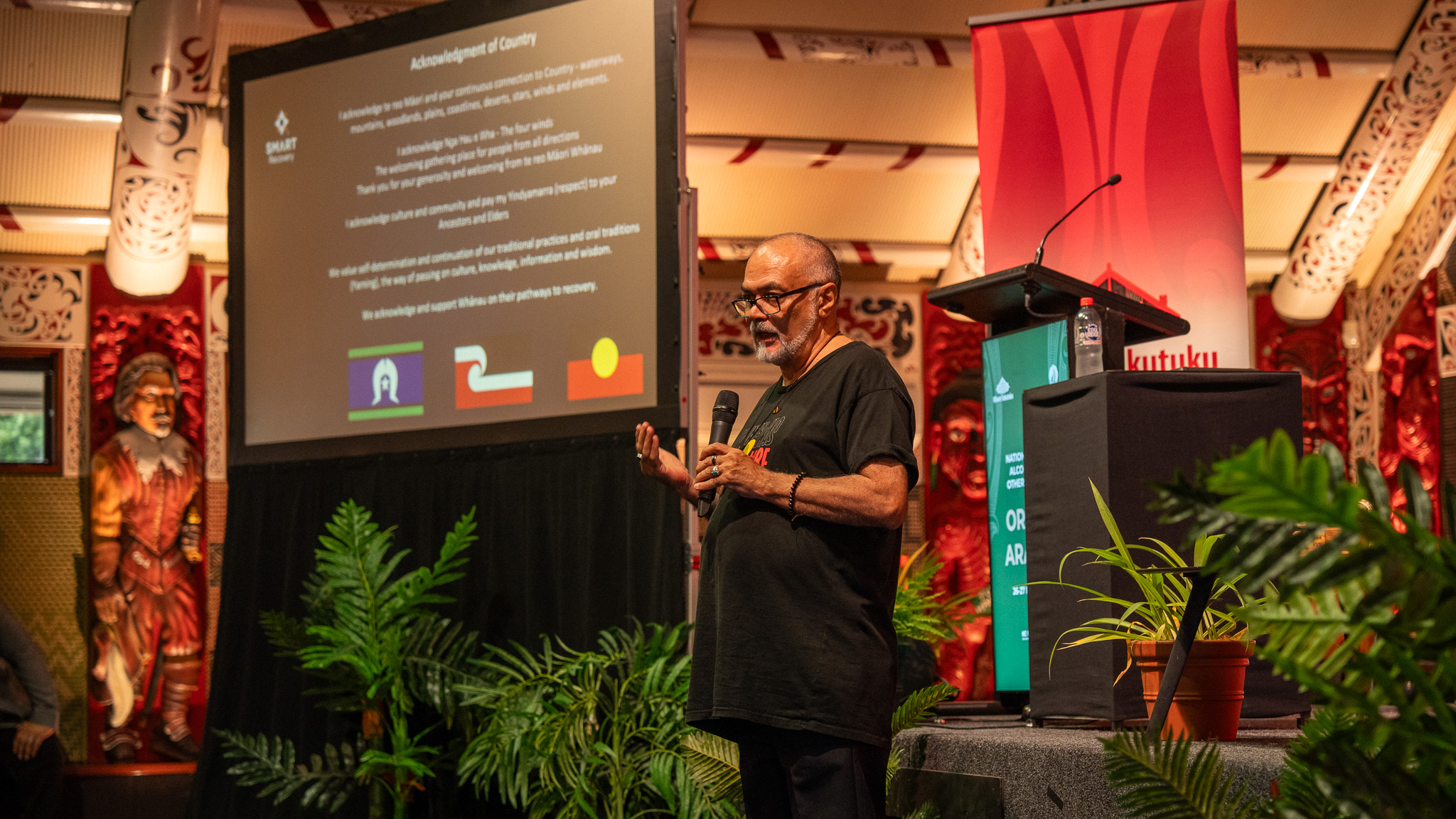
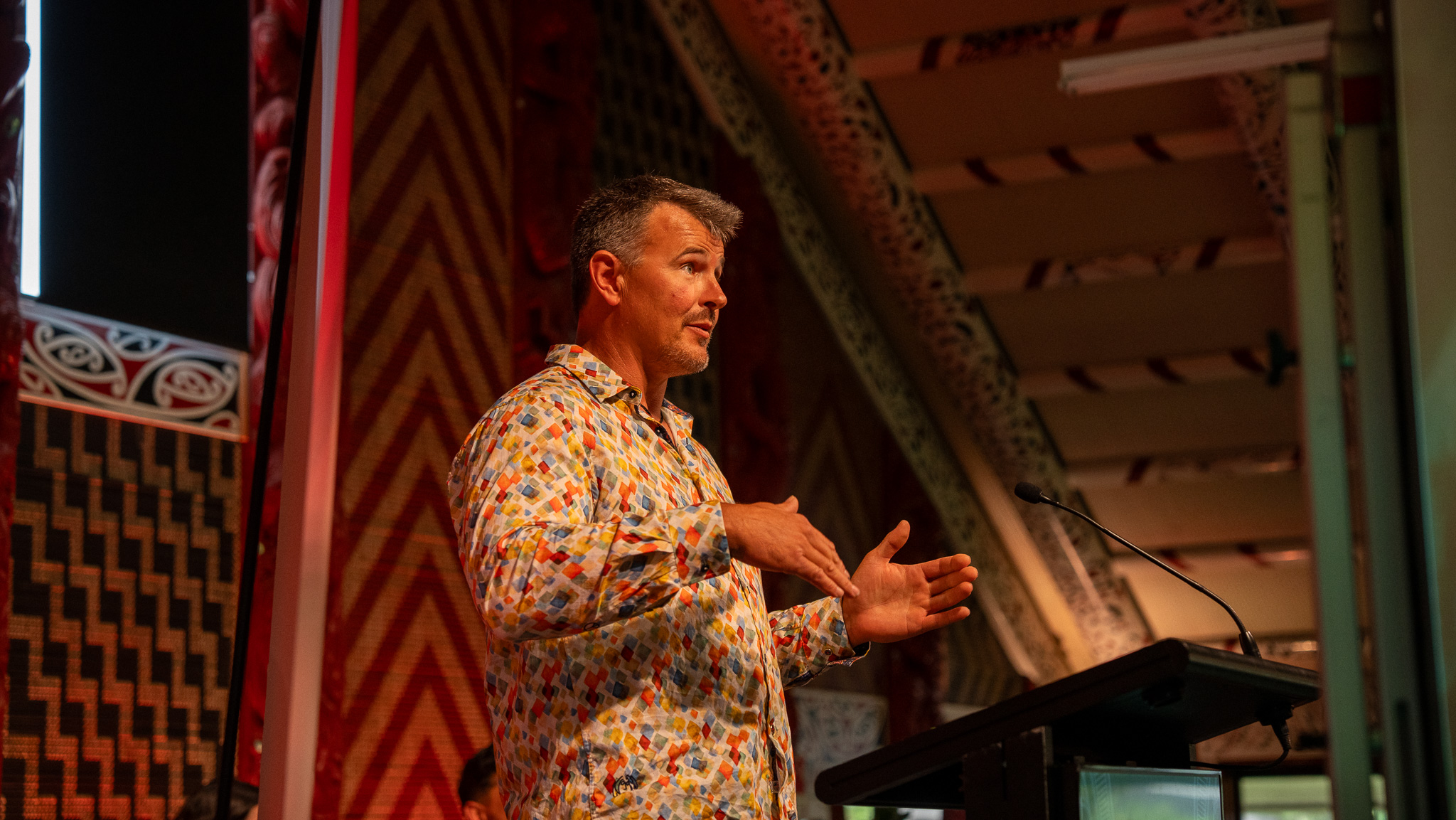
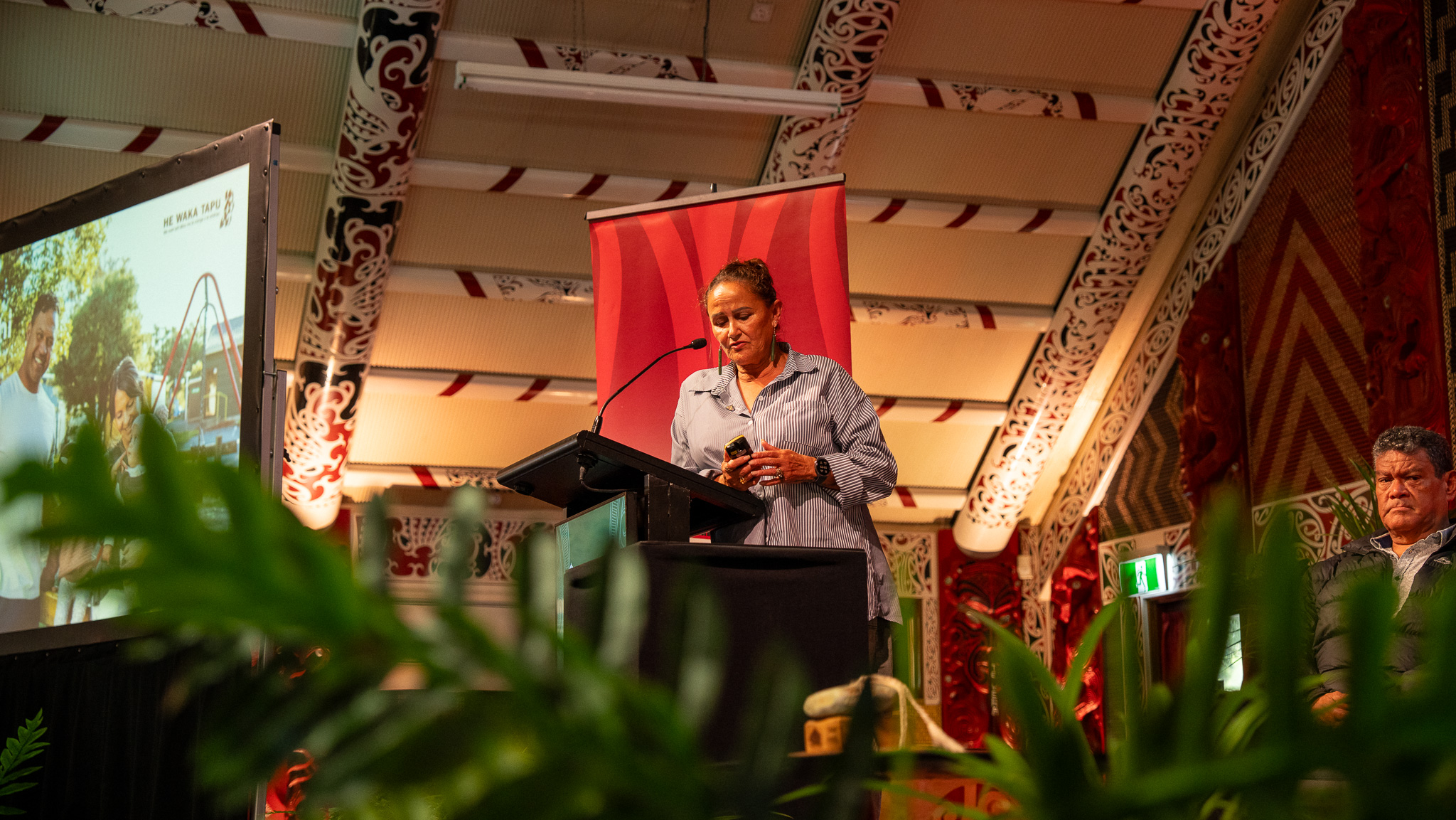
Day two opened with Dr Rawiri McKree Jansen, before an Alcohol and Drug Harm Reduction panel chaired by Tuari Potiki, bringing together Dr Jansen, Sarah Helm, Scott Wilson, and Toni Tinirau to push the kōrero on what genuine harm reduction looks like for Māori, on the ground, grounded in tikanga, and not simply imported from elsewhere. Trevor Pearce followed with Yarn SMART: Decolonising Healing and Reclaiming Cultural Models of Recovery, carrying 45 years of trans-Tasman wisdom into the room.
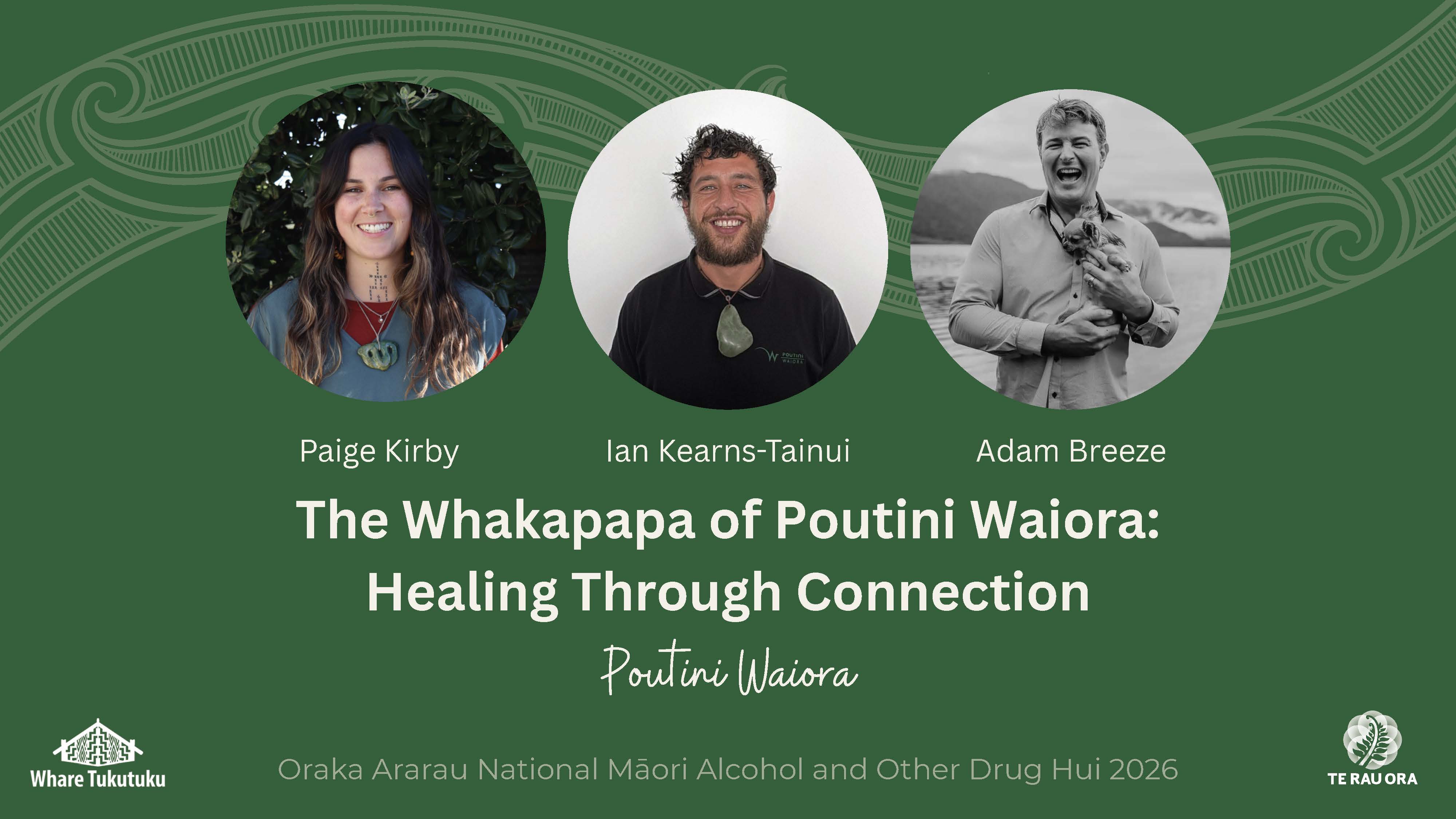
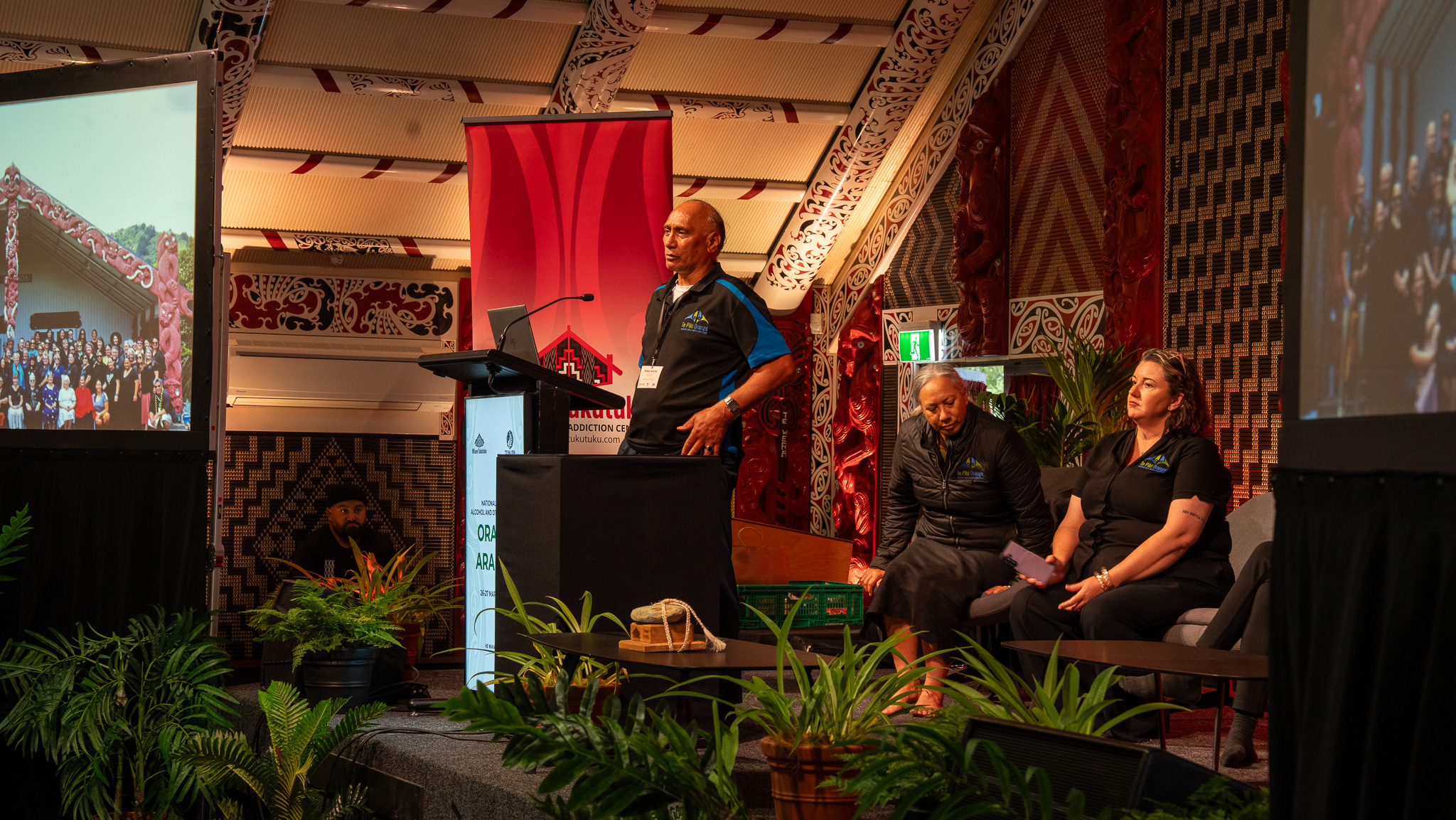
Paige Kirby, Ian Kearns-Tainui, and Adam Breeze then shared The Whakapapa of Poutini Waiora: Healing Through Connection, three very different journeys from Te Tai o Poutini, one shared kaupapa, and a reminder that returning to whenua and whakapapa can be the very thing that saves a life.
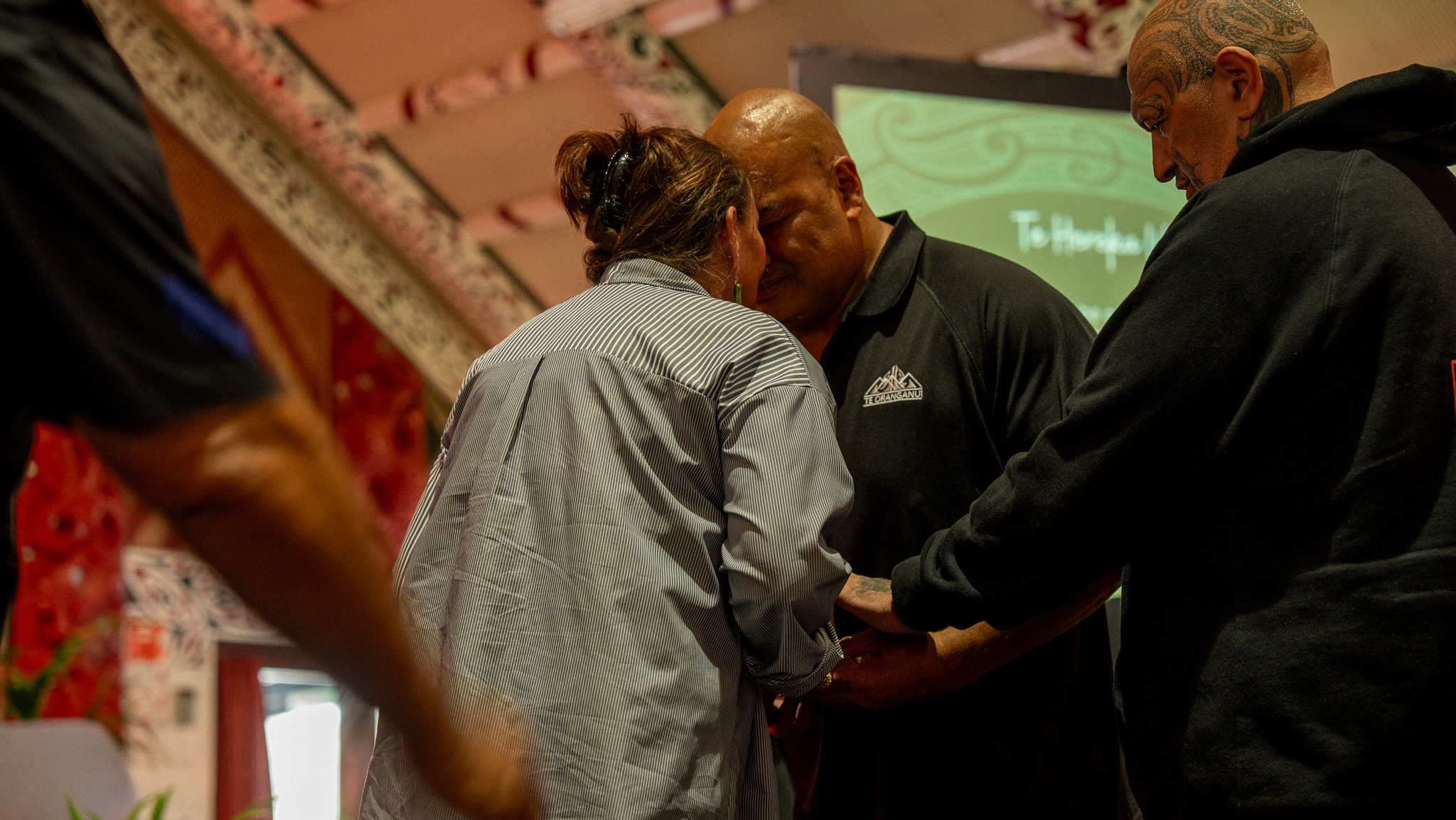
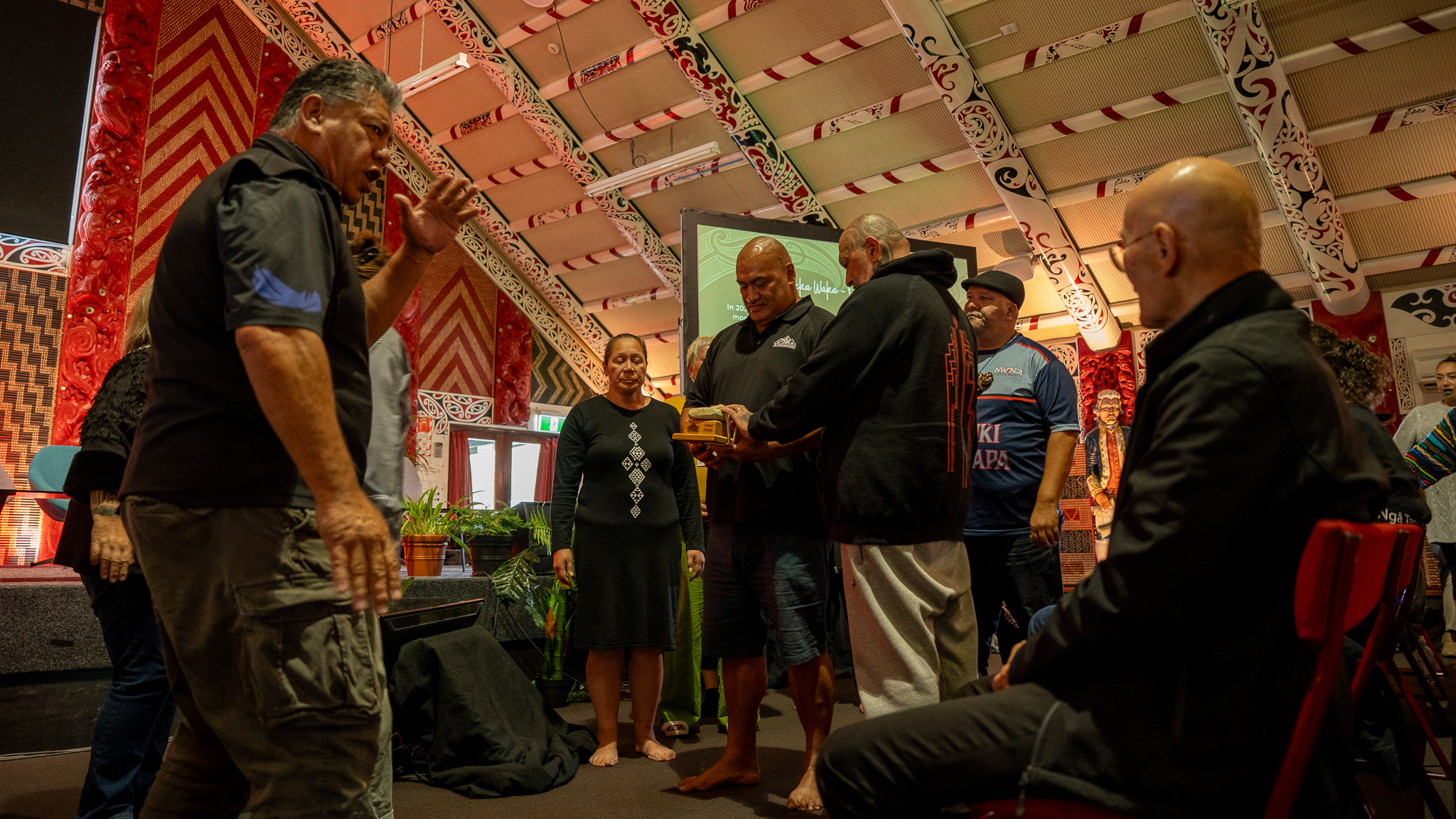
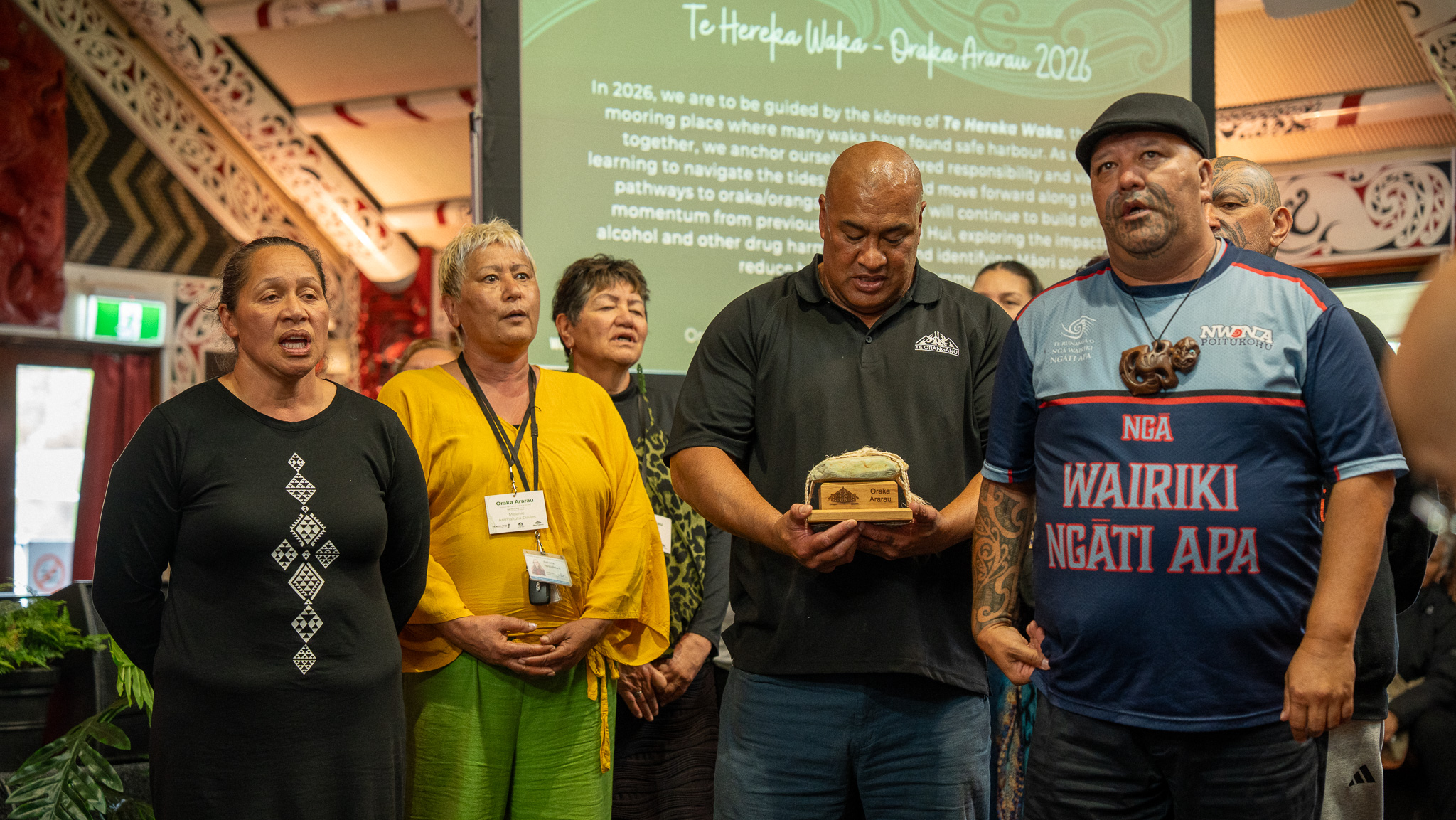
The afternoon paused to celebrate 30 years of He Waka Tapu, a moment made all the more fitting given this was the first Oraka Ararau held on their home turf in Te Waipounamu. Kristen Maynard then wove the threads of both days together in the hui summary before the gathering closed with the handing over of the mauri kōhatu, the pounamu gifted by kaumātua Hata Temo since the inaugural hui in Rotorua in 2023, to Whanganui Whānui, who will carry the kaupapa forward to the next Oraka Ararau.
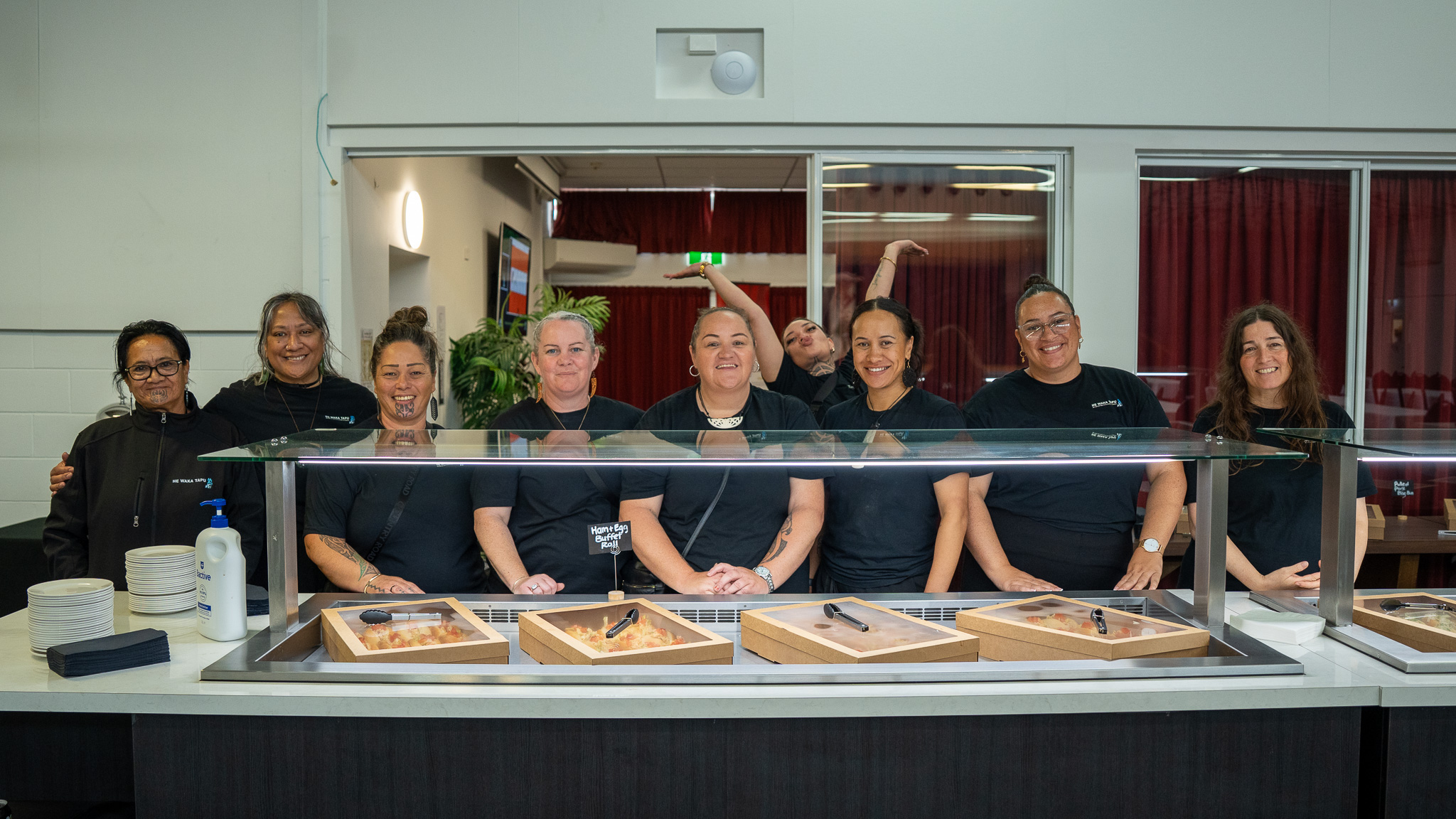
From Rotorua, to Waitangi, to Tairāwhiti, to Ōtautahi, and now on to Whanganui, this kaupapa continues to grow. Ngā mihi nui ki a koutou to our kaikōrero, the rōpū whakahaere of Whare Tukutuku, our MC, the stallholders, organisers, kaimahi, kai manaaki, and the many hands that made this light work. The mahi continues.
DAY ONE SPEAKERS.
DAY TWO SPEAKERS.